Can the U.S. and China Rebuild Trust?
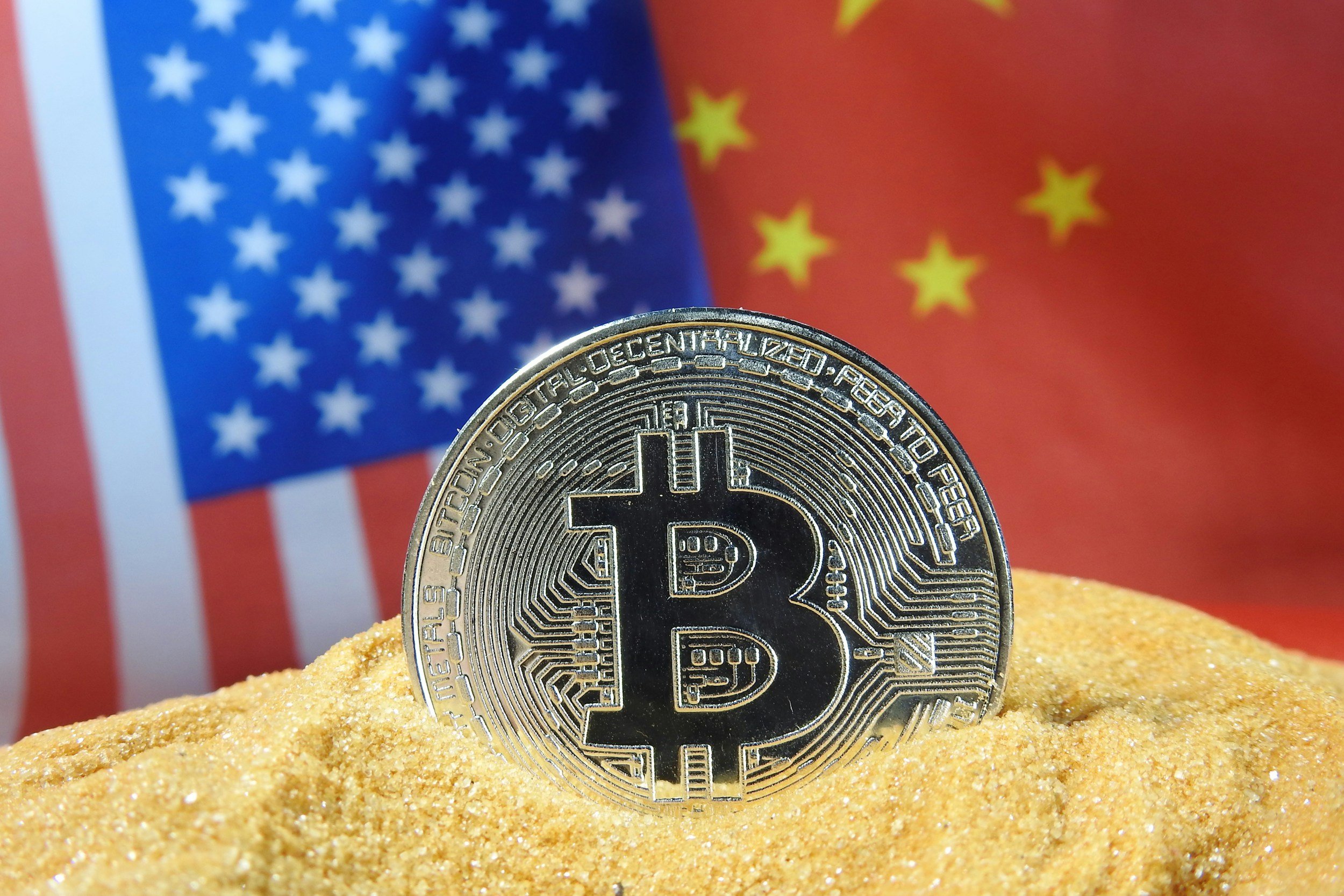
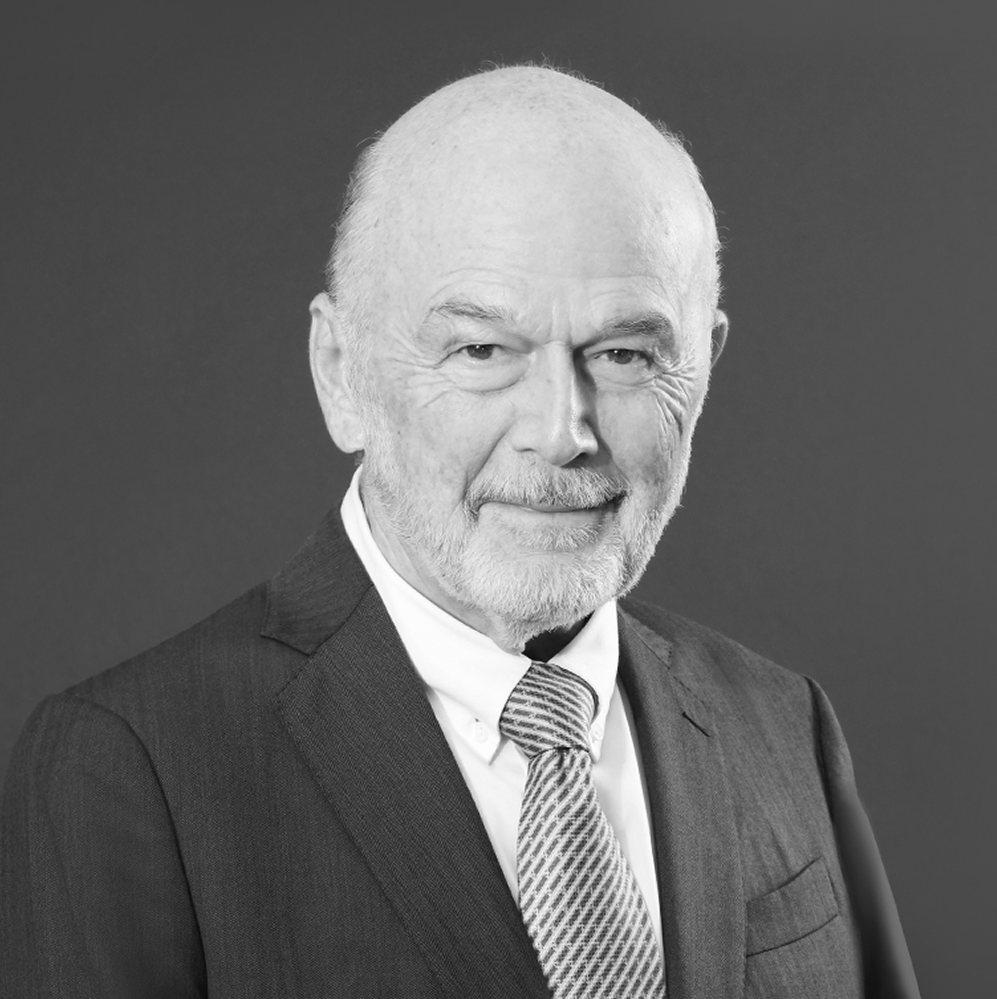
The Association of Foreign Press Correspondents (AFPC-USA) sat down with Merle Hinrich, the chair and founder of the Hinrich Foundation, for a Foreign Press Podcast episode titled, “Can the US and China Rebuild Trust?”
Trade has long served as the foundation of the US-China relationship, but that foundation is now under unprecedented strain. In a recent article for the Hinrich Foundation titled, “The US-China Trust Deficit,” Mr. Hinrich argues that the joint statements following US President Donald Trump's May visit to China reflected political messaging more than substantive trade progress. In this conversation with journalist Ana Swanson, who covers international trade for The New York Times, he explores how decades of globalization reshaped the relationship, why both Washington and Beijing now view trade through a geopolitical lens, and what rising protectionism, industrial policy, rare earth export controls, and declining trust mean for the future of the global economy. While he sees little prospect of a return to the old model of engagement, he argues that rebuilding trust through limited areas of cooperation and developing a new multilateral framework will be essential to managing an increasingly fragmented trading system.
The learning takeaways are below and the podcast transcript can be found HERE.
Swanson began by asking Mr. Hinrich about his recent article analyzing the statements issued after President Trump's May visit to China. Mr. Hinrich said there had been "a lot of fanfare" surrounding the summit and that he was grateful the meeting had taken place, but he viewed its trade-related outcomes as disappointing. Rather than producing a clear agreement, he argued, the statements reflected "different stages or the possibility of different bargains" and competing interpretations from each side. He said the readouts appeared to function primarily as "a record of conversation" crafted for domestic audiences, with Beijing framing the meeting for its own public and Washington doing the same for Americans. As a result, the outcome was "rather political," and "as far as trade was concerned," its significance was "really quite questionable."
Swanson noted that Washington had portrayed the summit as a success by emphasizing concrete achievements such as the creation of a trade and investment board and the sale of 200 Boeing aircraft, while Beijing's statement instead stressed themes of "mutual respect" and "equal mutual benefit." Mr. Hinrich said the differences between the two accounts were striking. While the US highlighted the purchase of 200 Boeing aircraft worth roughly US$17 billion, Beijing merely referenced aircraft and agricultural trade without specifying "aircraft quantity," dollar values, or minimum commitments. He said the same lack of specificity extended to critical minerals and agricultural trade, leaving few concrete commercial commitments. In his view, this suggested that the summit's true purpose may not have been to negotiate trade deals but rather for the two governments "at a very, very high level" to discuss broader geopolitical positioning, with trade serving as either an obstacle or a supporting element in those larger strategic discussions.
Merle Hinrich
Turning to future diplomacy, Swanson observed that both countries had additional meetings scheduled later in the year and suggested the summit may have been more of an opening move than a venue for final agreements. Mr. Hinrich agreed it had been "a positioning meeting" but argued that such preliminary discussions would normally occur among lower-level officials before leaders met. Because the presidents themselves were involved, he had expected "far more specificity" regarding what each side would actually deliver. Looking ahead, he said the next stage would require clearly defined commitments, concrete actions, and "exact quantities" before the discussions could be considered genuinely beneficial from a trade perspective.
The conversation then broadened to the evolution of US-China trade. Swanson asked Mr. Hinrich, drawing on his decades of business experience in Asia, how he viewed the relationship historically and how today's environment compared with earlier periods. Mr. Hinrich argued that the relationship fundamentally changed after China joined the World Trade Organization (WTO) in 2001, following roughly 15 years of negotiations. A key objective for Beijing, he explained, had been securing permanent most-favoured-nation status so that Congress would no longer have to revisit the issue annually.
Reflecting on the early years after China's WTO accession, Mr. Hinrich said Western demand fueled China's export boom, but those exports were initially driven not only by Chinese firms but by enormous foreign direct investment from multinational corporations. Companies ranging from 3M and Caterpillar to HP and major automakers invested heavily in China, seeking both lower production costs and access to what they believed would become an enormous consumer market. Western governments, he said, either actively encouraged these investments or at least allowed them to expand with little resistance.
According to Mr. Hinrich, China effectively became "a student" of those multinational corporations. Foreign companies brought capital, management expertise, distribution networks, and intellectual property — "either by choice or by force," he remarked. Over time, however, Chinese firms mastered manufacturing processes across numerous industries and transitioned "from being a student basically to being the leader." He argued that China now manufactures more efficiently and at lower cost than many competitors, due in large part to extensive state support. Government subsidies, preferential access to capital, and state backing, he said, enabled industries such as shipping, shipbuilding, automobiles, solar power, and wind energy to reach levels of competitiveness they likely could not have achieved on market forces alone.
At the same time, Mr. Hinrich contended that while China had agreed to many economic reforms when entering the WTO, many of those commitments "were not fulfilled in intent or spirit." He argued that the WTO itself "really was not structured" to enforce or manage China's economic evolution effectively. He pointed to sectors such as telecommunications and financial services as examples where promised market-opening measures fell short. As a result, he concluded, the global economy now faced an environment characterized by Chinese industrial oversupply, increasing geopolitical tension, and economies that had become "increasingly bifurcated."
Swanson noted that business had long been described as the "ballast" stabilizing the US-China relationship, but questioned whether that characterization still held given China's more than US$1 trillion annual trade surplus and the growing competitiveness of Chinese firms. She asked whether multinational companies still played a moderating role or whether their position now varied depending on the industry and market. Mr. Hinrich argued that for more than a decade multinational corporations had lobbied Congress and successive US administrations to preserve strong commercial ties with China for "very self-serving reasons." The arrangement boosted corporate profits by allowing companies to capitalize on China's lower-cost manufacturing base while simultaneously serving political interests in the United States and Europe by keeping consumer prices low. The resulting influx of inexpensive imports was "deflationary," benefiting both politicians and businesses, particularly large manufacturers and industries such as pharmaceuticals that had become deeply dependent on Chinese production. In his view, however, both countries had gradually created today's predicament themselves. He described the current situation as "a problem which they both self-created," arguing that US policymakers had failed to anticipate the long-term consequences of encouraging manufacturing to move offshore. He attributed much of that failure to "the lack of political foresight" and successive administrations' willingness to defer to multinational corporations, whose influence, he suggested, had remained "unquestionable" since at least the presidency of Richard Nixon.
Swanson then shifted the conversation to the future of economic decoupling, observing that despite mounting strategic tensions, the United States and China remained deeply interdependent. She asked where Mr. Hinrich believed the relationship was ultimately headed. Mr. Hinrich outlined what he saw as three likely developments. First, he predicted that Western economies would continue moving toward what he called a "tariff fortress." He said both the United States and Europe, regardless of political party, increasingly recognized the need to protect strategically important industries, including defense and pharmaceuticals. Governments could accomplish that either through subsidies requiring industrial policy or by imposing tariffs to shield domestic producers from foreign competition. Given China's scale and manufacturing capabilities, he argued, it represented "by far the largest competitor and threat to US and European industries that has ever existed," and he did not expect that challenge to diminish.
Second, Mr. Hinrich predicted that China would respond by seeking to "circumvent" Western trade barriers rather than retreating from global markets. He anticipated increased Chinese investment in manufacturing facilities located in countries that could provide access to major consumer markets, including the United States, Europe, and especially Mexico through the United States-Mexico-Canada Agreement. At the same time, he expected China to strengthen its commercial dominance throughout Southeast Asia and Africa by continuing to produce highly competitive — and in many sectors increasingly innovative — products, citing the automotive industry as an example. He suggested that non-aligned countries would benefit from access to those products, while countries aligned against China would not. He also cautioned that consumers in the United States and Europe would likely bear the cost of greater protectionism through higher prices. Restricting access to inexpensive Chinese goods would inevitably be inflationary, he said, though he hoped other parts of the economy might eventually offset some of those price increases.
The third development, Mr. Hinrich added, would have to involve a renewed multilateral framework for managing global trade. While he did not believe the World Trade Organization was adequately equipped to handle today's geopolitical and economic realities, he argued that "there has to be something of a multilateral approach." Whether through reforming existing institutions or creating an entirely new organization, he said, governments would need a more effective mechanism for addressing the increasingly complex interaction between trade, industrial policy, and geopolitics. When Swanson asked him to elaborate on what such an institution might look like, Mr. Hinrich explained that it would need to focus far more directly on the domestic consequences of globalization rather than simply regulating cross-border commerce. Trade, he argued, was now inseparable from domestic political considerations. Looking back over recent years, he said politics had assumed "an increasing role in trade decisions, trade policy, and trade-related issues," reaching the point where political concerns had become "of massive consequence." He concluded that any future multilateral organization would have to balance the interests of consumers with the need to protect workers in the world's largest consumer markets, particularly North America and Europe. Those markets remained the most profitable destinations for global trade, but unless workers believed they were adequately protected from international competition, public support for open trade would continue to erode. Unlike the WTO, he said, a future institution would need to place much greater emphasis on "the balancing of the economic issues" affecting domestic economies because "if you don't have the domestic support for cross-border trade, you have a problem."
Swanson next turned to the rise of populism and skepticism toward free trade, asking whether the anti-globalization sentiment seen in the United States and Europe was likely to persist until structural problems in the trading system were addressed or whether the political pendulum had already begun swinging back. She noted that while protectionist sentiment remained strong, there was also significant opposition to tariffs. Mr. Hinrich argued that the growth of populist movements on both sides of the Atlantic was, at least in part, the consequence of governments failing to adequately manage the challenges created by international trade. He said the political upheaval seen in Europe and the United States reflected "an outcome" of unresolved trade imbalances that democratic societies were now attempting to work through. While he believed these issues ultimately had to be resolved through normal democratic debate and political compromise, he also felt "the pendulum has...gone far too far" and would eventually have to return to a more balanced approach focused on "the overall economies" rather than extremes. He acknowledged he did not have "a political answer" to precisely when that shift would occur, describing it instead as an evolutionary process that would inevitably involve "pain" as countries adjusted to China's growing influence on the global economy.
In response to Swanson’s question about what specific role the United States and China could play in addressing the global trade imbalances that had become increasingly disruptive, Mr. Hinrich joked that he did not "have a crystal ball," but said the current level of distrust between Washington and Beijing was "palpable" and represented one of the greatest obstacles to meaningful cooperation. Rather than expecting dramatic breakthroughs, he believed progress would have to come through "small steps," with each side identifying limited areas where collaboration, commitments, and mutual concessions were politically feasible. He suggested that global public health offered one of the best opportunities to rebuild cooperation. Challenges such as COVID-19, Ebola, and future viral outbreaks affected "all mankind," he argued, creating a shared interest that could unite governments, scientists, and political leaders around a common objective. By contrast, he saw little prospect for meaningful collaboration in heavily politicized industries such as automobiles, which had become "hugely bifurcated." Given the sector's economic importance and employment implications in both countries, he said political pressures made substantial cooperation highly unlikely. He added that many other industries faced similar dynamics.
Swanson, reflecting on Mr. Hinrich’s article about the compounding distrust between the two countries, next asked whether rebuilding trust should therefore be the top priority and, if he were advising the Trump administration, what practical steps he would recommend. Mr. Hinrich replied that there was "no magic wand" capable of restoring trust overnight. More fundamentally, he questioned whether either side currently possessed the political willingness to pursue that goal. Leaders in both countries, he argued, were consumed by domestic political competition as they struggled for "their political identity," votes, and electoral advantage. That environment encouraged governments to blame foreign rivals for domestic problems because "it's much easier to blame a foreign entity or a foreign problem than it is to deal with your domestic issues." He said that every major jurisdiction faced serious internal challenges that needed to be addressed before durable international partnerships could emerge. Mr. Hinrich said too much policymaking had been driven by uncertainty and "self-interest" at both the economic and political levels, ultimately undermining countries' ability to work together across borders and making genuine trust increasingly difficult to establish.

On the subject of whether the cordial atmosphere and repeated declarations of friendship that accompanied President Trump's May visit to China could realistically endure, Mr. Hinrich drew a sharp distinction between diplomatic optics and political reality. Publicly, he said, leaders projected "warmth and brotherhood and good feelings and intent," but beneath that messaging lay domestic political pressures driven by elections, inflation, and what he repeatedly described as the "huge bifurcation" within both societies. Echoing an earlier point, he stressed that "trust is difficult to build and easy to destroy," arguing that repairing the relationship would require considerable time because many of the suspicions that had developed were, in some cases, justified. He maintained that rebuilding confidence between the two countries would be only one part of a much broader challenge. The global economy itself, he argued, would need to be "recalibrated" in a way that better supports domestic economic conditions. At the same time, governments would have to move beyond abstract political rhetoric and focus on "the practical aspects" of the problems confronting their economies. Achieving that balance, he cautioned, "is not going to be always comfortable," emphasizing that meaningful reforms would inevitably require "sacrifices."
Swanson also asked about China's new export control regime for rare earth minerals, which she described as one of the most significant developments of the past year because of the pressure it had placed on the United States and the disruption it had caused throughout global supply chains. She asked whether such restrictions represented another step toward economic decoupling or whether they instead demonstrated that the two countries remained too economically intertwined to disengage completely. Mr. Hinrich characterized China's rare earth restrictions primarily as "a negotiating card with geopolitical implications, no more [and] no less." The export controls were fundamentally a strategic bargaining tool rather than an end in themselves. He argued that as long as the broader geopolitical disputes between Washington and Beijing remained unresolved, neither side would be able to stabilize the supply and demand dynamics affecting critical industries. That reality, he said, extended well beyond rare earth minerals to strategically important sectors ranging from automobiles to pharmaceuticals, all of which would continue to experience uncertainty until the underlying geopolitical relationship improved.