
The Interview Question That Belongs Third
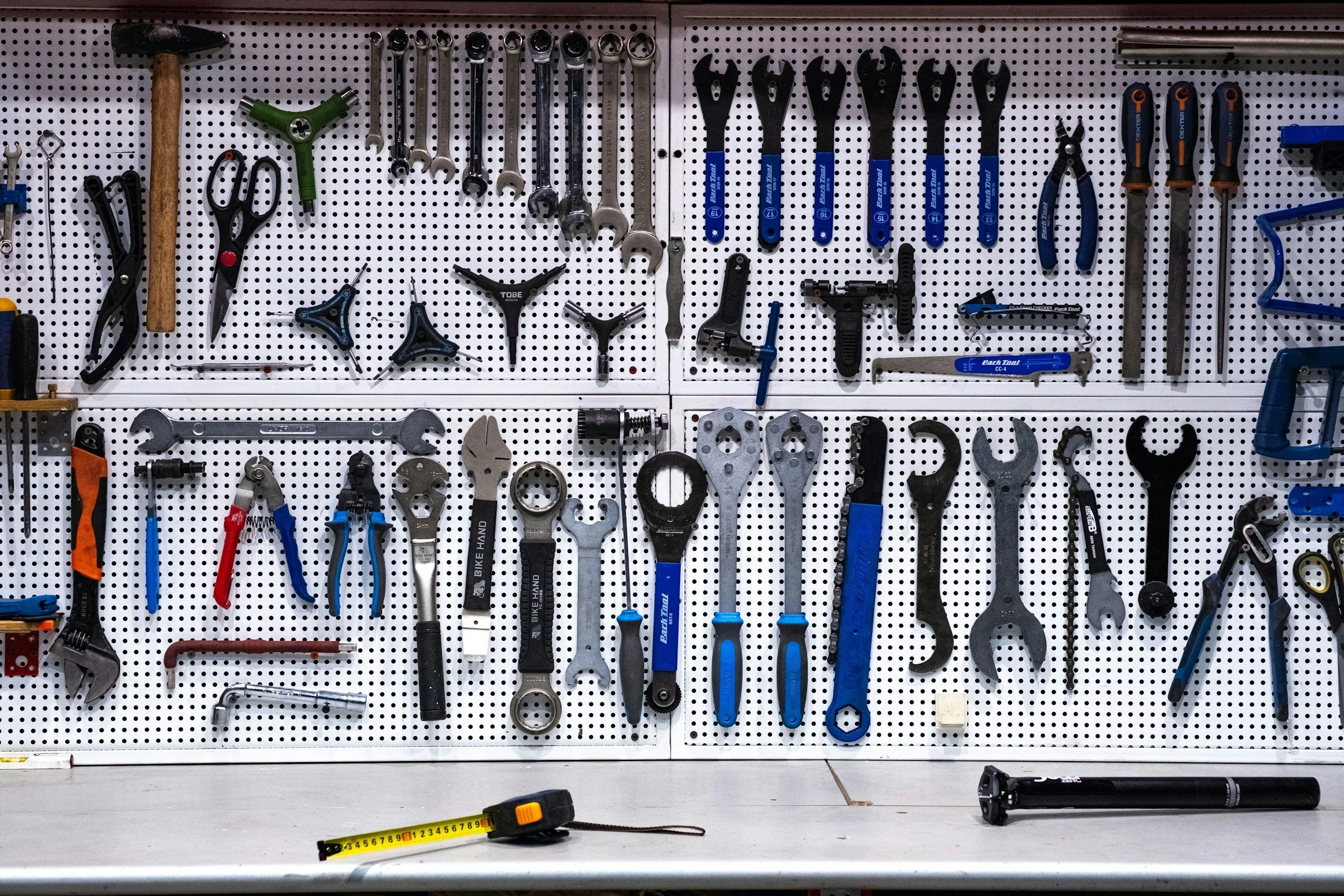
A hypothetical correspondent visits a bicycle repair shop to understand why customers repair older bicycles instead of replacing them. The first planned question asks whether Americans are becoming less wasteful. The shop owner could offer an engaging opinion, but the reporter would still know little about the repairs, customers or decisions in that particular workshop. A more concrete opening can make the later question much more useful.
Question order gives an interview direction. It should create opportunities to learn what a source knows, how they know it and where their account needs testing. A sequence is useful precisely because it can be changed when an answer reveals that the reporter started with the wrong premise.
Begin where the source has direct experience
Ask about something the person actually does. At the repair shop, that might be the bicycle currently on the stand: what repair was requested, what examination has been completed and what decision remains. The answers reveal the owner's working vocabulary and the stages of the process. They also give the reporter concrete details to ask about later.
Choose an opening that the person can answer without performing expertise for a distant audience. A broad question about American consumers may encourage speculation. A question about the last completed repair asks for a specific experience. Neither question guarantees accuracy, but the second makes it easier to identify relevant documents, observations and follow-up sources.
Separate the account from its explanation
First establish what happened. Then ask why the source believes it happened. If the owner says a customer authorized a costly repair, clarify what was repaired and what alternatives were discussed before asking about the customer's motivation. The owner may know the decision but only infer the reason. The customer is a separate source for that part of the account.
A useful sequence might move from the repair request, to the inspection, to the estimate, to the customer's response. Only then ask what the episode illustrates about the business. This allows the reporter to distinguish a specific case from the owner's interpretation of a wider pattern. Keep both available without automatically treating the interpretation as a measured trend.
Ask for evidence while the claim is still clear
When the source says repairs have increased, pause the planned sequence. Ask what is being counted, compared with which period, and whether records exist. Waiting until the end may leave the reporter trying to remember which number needs which explanation. A timely factual question can prevent an attractive but undefined claim from becoming the interview's organizing idea.
Do not demand documents as a performance of skepticism. Explain the particular point they would help establish. An appointment log might show bookings, while invoices might show completed jobs. Neither necessarily describes unique customers. The next question should reflect that distinction. If the person cannot provide records, mark the assertion as their account and seek other evidence before making it the story's finding.
Save interpretation for an informed conversation
After learning how the shop works, return to the larger question. Ask what changes the owner has personally noticed and what might explain them. The reporter can now distinguish an answer about parts availability from one about customer preferences. A claim about national behavior still requires evidence beyond the workshop, even if the owner has a persuasive explanation.
International correspondents can use this stage to test comparisons with the home audience's experience. Explain the comparison briefly and ask which part fits the American setting. Avoid asking the source to endorse an entire national contrast. One shop owner can help identify a useful reporting question without being made responsible for describing every workshop in the country.
Keep a route back to unanswered questions
Use an interview guide with a few main topics and space for follow-ups. Mark a question when it has been answered, partly answered or left open. If an unexpected story takes the conversation elsewhere, jot down the point you need to return to. This preserves attention without forcing the source through a rigid questionnaire.
The National Park Service's interviewing guidance encourages preparation alongside flexibility. Its advice concerns oral history, a different practice from daily reporting, but the practical lesson about listening is useful here. A correspondent can arrive with a route through the subject and still follow a promising answer that changes what the next question should be.
When time is limited, prioritize questions that cannot be answered elsewhere. The shop's opening hours may be confirmed later. The owner's explanation of an unusual repair decision may be available only during the visit. Tell the source when you are moving to the final essential topic rather than trying to rush several questions into one crowded sentence.
End by testing your understanding
Summarize the central point in your own words and ask whether you have understood it accurately. This is a factual check, not an offer of editorial control. If the owner says the summary misses the role of unavailable spare parts, ask for a concrete example and update the reporting plan. The final minutes may reveal that the apparent consumer-choice story is partly a supply story.
Ask what important question you have not raised and who else could help establish the facts. A referral is a lead to evaluate, not proof. Confirm a way to request clarification and explain the publication process. AP's guidance distinguishes reporter-initiated fact checks from showing sources a finished story for approval.
For a multilingual interview, agree on pauses that allow interpretation without cutting a thought in half. Keep the main question short enough to translate accurately. If a follow-up depends on an unfamiliar technical term, establish that term’s meaning before moving on to the interpretation of the answer.
Back at the desk, assess the sequence rather than congratulating yourself on completing the list. Which question produced verifiable detail? Which invited a rehearsed generalization? Which answer should have prompted an immediate follow-up? An interview guide improves when it is revised from these observations. The question about waste may still belong in the piece, but it now rests on reporting gathered before the reporter asked it.
