MoMA and the Invention of Modern Taste
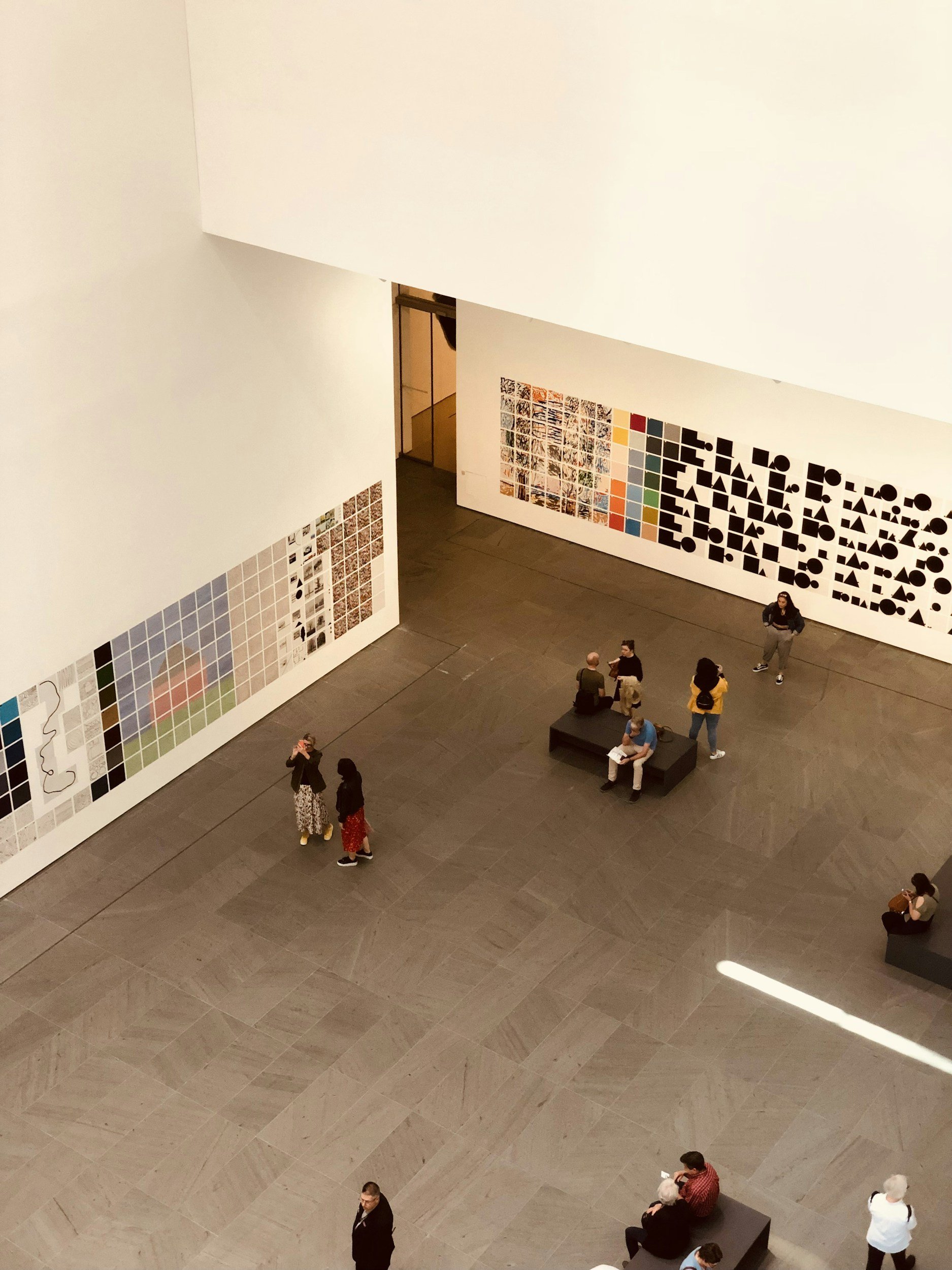
The Museum of Modern Art, universally known as MoMA, is not simply a museum of modern art. It is one of the most powerful cultural institutions ever created to define what “modern” means. For foreign correspondents, understanding MoMA is essential to understanding how the United States exported its vision of creativity, progress, and innovation to the world.
Founded in 1929, on the eve of the Great Depression, MoMA emerged at a moment of profound transformation. Industrialization, urbanization, mass media, and political upheaval were reshaping societies across continents. MoMA’s founders believed that art should reflect this new reality. In doing so, they challenged traditional museums that privileged classical forms and historical distance.
From its earliest years, MoMA functioned not just as a collector, but as an arbiter. By acquiring, exhibiting, and interpreting works of modern art, it conferred legitimacy on artists and movements that were still controversial or poorly understood. Cubism, Abstract Expressionism, Pop Art, Minimalism, and Conceptual Art did not simply pass through MoMA—they were framed there as milestones in a universal narrative of progress.
For international audiences, this framing had profound consequences. Artists recognized by MoMA gained global visibility, while entire national art scenes rose or fell in prominence depending on institutional attention. MoMA’s influence extended far beyond its walls, shaping academic curricula, art markets, and cultural policy worldwide.
Unlike encyclopedic museums, MoMA embraced interdisciplinarity early. Photography, film, architecture, graphic design, and industrial objects were treated as central to modern life rather than peripheral to fine art. This expanded definition of culture aligned closely with American ideals of innovation and utility. For foreign correspondents, MoMA offers insight into how the U.S. blurred boundaries between art, technology, and commerce.
MoMA’s role during the Cold War further underscores its political significance. Abstract Expressionism, promoted through exhibitions and international tours, became associated with freedom, individuality, and democratic values—often in contrast to socialist realism. While the museum maintained formal independence, its cultural messaging aligned with broader geopolitical narratives. Art became diplomacy by other means.
In recent decades, MoMA has confronted growing criticism over exclusion and representation. For much of its history, the museum privileged white, male, Western artists, reinforcing a narrow definition of modernity. In response, MoMA has restructured its galleries, integrating works by women artists, artists of color, and creators from Latin America, Africa, Asia, and the Middle East into its core narrative rather than isolating them.
This shift reflects a broader reckoning within cultural institutions. Yet critics argue that inclusion alone does not dismantle gatekeeping power. MoMA still decides which voices define the canon. For foreign correspondents, this tension highlights how cultural authority adapts without disappearing.
MoMA’s financial structure also reveals much about American cultural life. Corporate sponsorships, private donors, and ties to the art market are visible and influential. This relationship between culture and capital raises questions about independence, access, and artistic risk. At the same time, it demonstrates how private wealth plays a central role in sustaining public culture in the United States.
Today, MoMA remains a reference point for global modernity. Its exhibitions influence how societies imagine creativity, innovation, and relevance. For international journalists, MoMA is not just a museum—it is a lens through which to observe how cultural narratives are constructed, exported, and contested.
Together with institutions like the Met, MoMA illustrates how New York functions as a global cultural capital. But while the Met looks outward across millennia, MoMA looks forward, continuously redefining what the present should mean. For foreign correspondents, engaging with MoMA is an exercise in understanding not just art, but the values that shape contemporary global culture.