January 6 Filmmaker Michael Premo: “We're at an Inflection Point in this Fight over Journalism”
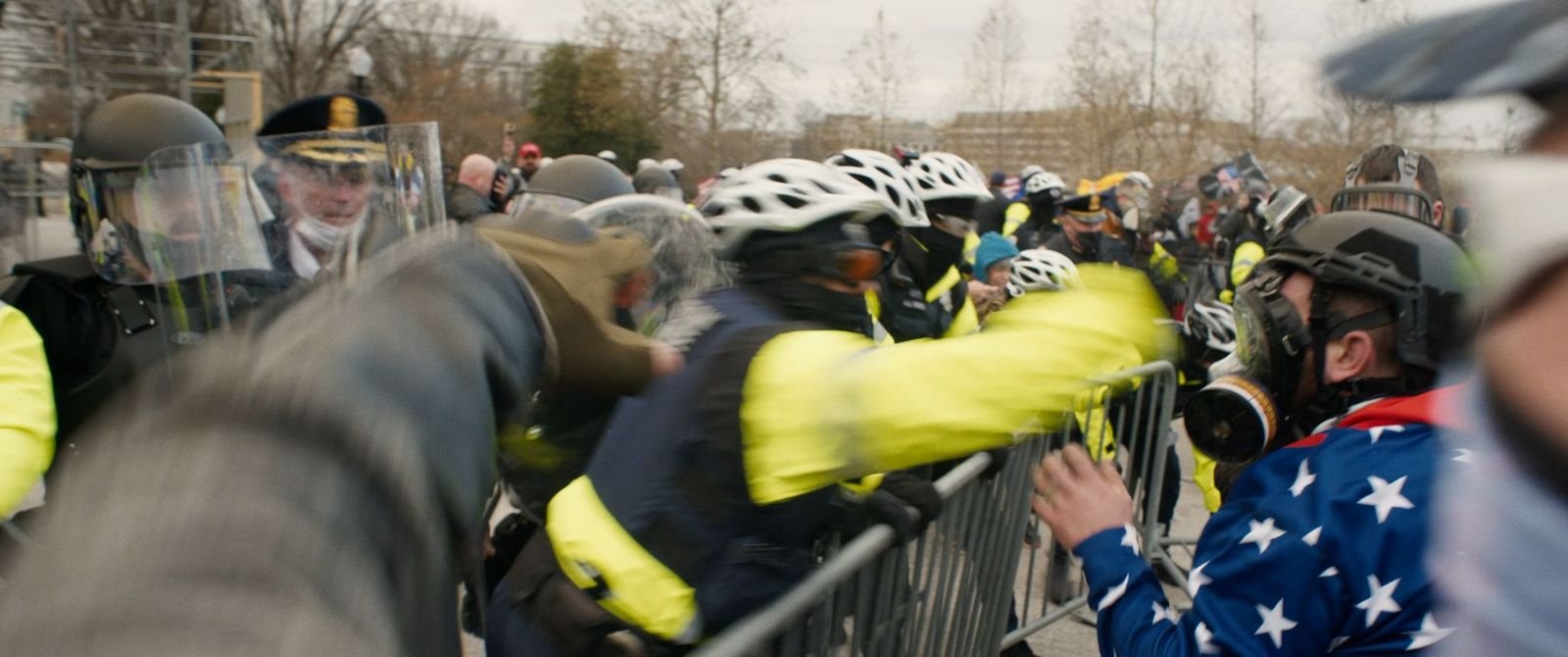
Five years after the January 6 assault on the Capitol and one year after newly inaugurated President Donald Trump pardoned the rioters, there’s a new version of the 2024 documentary “Homegrown” by journalist and filmmaker Michael Premo. Available to rent on the direct-to-consumer platform Gathr, the re-edited film now includes the outcome of the pardons after following three members of the right-wing group Proud Boys for years – Chris Quaglin, Thad Cisneros, and Randy Ireland.
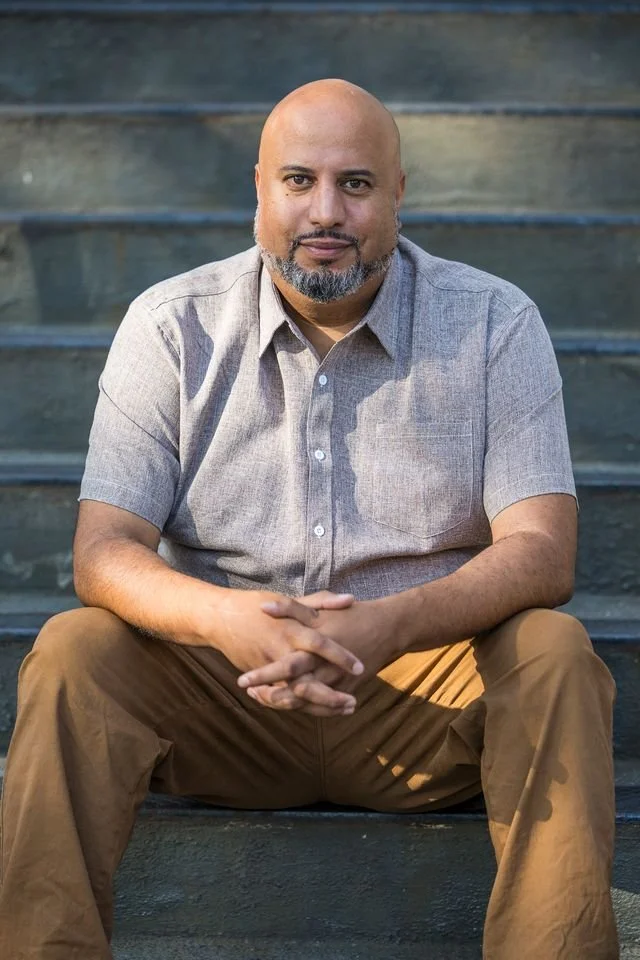
Michael Premo
We spoke to Michael Premo on the challenges of crafting a documentary about one of the most violent and contentious moments in modern America, and what the current situation demands from journalists and observers documenting history.
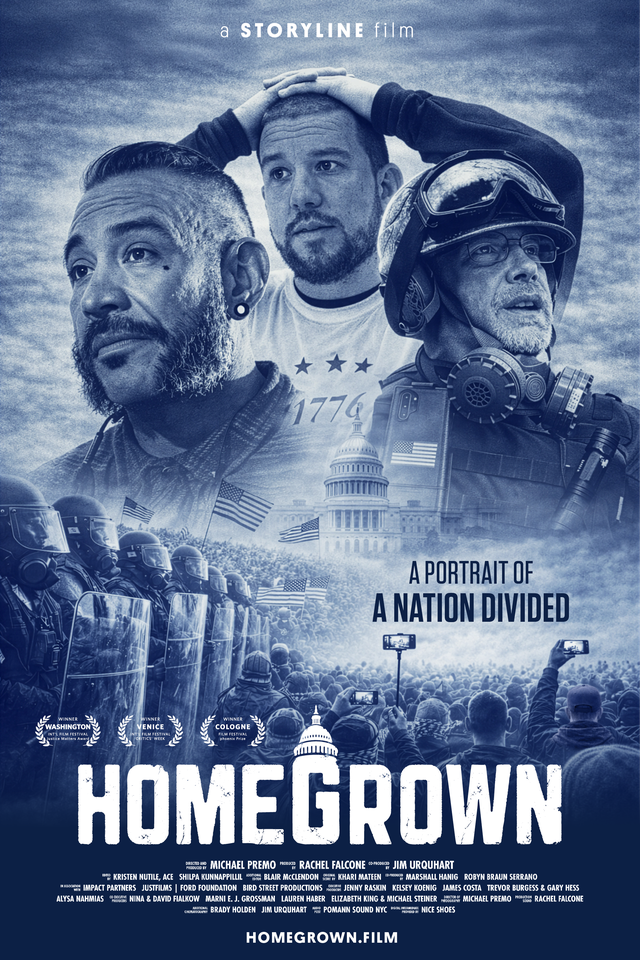
The filmmaking team made a deliberate choice to show the reality they were embedded in without judgment, while refusing to amplify misinformation or disinformation. Premo, an award-winning journalist who cofounded Storyline, thinks the subject and approach resonate far beyond the United States, as anti-democratic movements and extremist groups gain traction worldwide. What happens in the U.S., he notes, has direct global consequences, and he hopes the film helps audiences grasp both the nuances of the partisan divide and the myriad motivations of those who stormed the Capitol.
How did you get so much access and how did you film it?
The idea first started germinating in like 2016, 2017. And we picked up a camera and our first shoot was at the end of 2018.
And so I spent all that time just like deeply researching the conservative movement, trying to read as many books as possible, trying to read a lot of the mainstream reporting that was happening since the backlash to Obama's presidency and the rise of the Tea Party and everything that was happening.
We began developing those sources in 2018 and we developed the rapport with people across the movement. Those relationships kind of matured to the point where people were like, sure you can follow us I don't know why you would want to but sure. We got a lot more access than we anticipated. And we filmed about a dozen people over the course of that time.
And then it wasn't until the edit that we had to make really hard choices about who would finally be in the film. I think some people who we approached couldn't believe that someone who looked like me would want to talk to them.
I think some people talked to us maybe to prove they weren't racist. And some people, they just so firmly believe that they're fighting this holy war, this battle against some sort of existential threat that they were so eager to talk to somebody who they immediately recognized might not necessarily be part of their same echo chamber and were intrigued that I wanted to talk to them to begin with.
And so that was really fascinating.
And did you have a crew?
Before the pandemic, we had the idea of moving around with a kind of smallish crew, but a doc crew, about four or five people.
But when the pandemic happened, our footprint became me doing most of the cinematography and my producing partner, Rachel Falcone, she also does sound for documentaries.
For most of the film, it was the two of us. We had a couple of shoots where it was Jim Urquhart, who's a photojournalist for Reuters, who was also part of our team.
So he was also there, too, but he was also often just kind of double duty. I originally was shooting on this big Panasonic camera, but I ended up shooting the film on a mirrorless lens S1H camera that Panasonic makes that looks like a photo camera on a gimbal. So it's a little bit of a handheld contraption, a much smaller footprint than pre-pandemic what I was thinking about filming on.
So some happy accidents came out of forcing us to rethink our approach given the pandemic.
Some of the scenes seem a little scary. Were you ever afraid?
Yes, I mean there were a number of situations where we were definitely concerned for our safety. We weren't necessarily worried that we would be targeted directly but just because it was so erratic, and everyone was just so frustrated, that we were afraid we were just going to get caught in a crossfire. And as a result, we produced most of this film while wearing bulletproof vests and helmets. And we brought gas masks everywhere we went because we didn't know what might unfold at any given scenario.
Do you feel like this is an inflection point in terms of press freedom in the United States?
Yes, I think we're absolutely at an inflection point in this sort of fight over journalism. I think the forces that are trying to erode the legitimacy of democracy understand clearly how important both academia and journalists are to a free and fair democracy, which is why that is one of the first things that Trump went after.
And that's one of the first things that all of these folks around the world, all these sort of authoritarian or anti-democratic movements around the world, the first thing that they attack is the legitimacy of journalism.
And that has been kind of Trump's fake news, this refrain from Trump. I feel like we're at a particular inflection point in the United States because we're at this moment where neither of the two political parties see themselves as legitimate partners in governance.
So, and each have done sort of fair amount of work, particularly more so the Republicans, but both are responsible for sort of dehumanizing and delegitimizing the other in this role, the shared role they have in shared governance.
And the fact that, often from both sides, the target of their error is journalism and [that] really does not bode well, I think, for the future of American democracy.
I think if we were reporting on America the way that we report on the Middle East or other places in the world, we talk about sectarian violence. And that sectarian violence has the potential to be directed towards journalists in a way that has never really been the case in America. And that's scary.
Is there anything we can do as journalists?
I think journalists need to stay the course. I think it's very easy to capitulate, to give in, to soften your edges, to hire an editor in chief who maybe you feel like has conservative leanings to try to pander to that perspective. But I think that the role of journalists is more important than ever. And to stick to our guns around how to do fact-based, well-sourced, ethical reporting.
I feel like there needs to be increasing collaboration with education to be able to teach people younger how to read and understand media, how to make sense of all the things that they're consuming now, that the lines between journalism and all the sort of content we're exposed to are blurred more than ever.
And I think that would go a long way to be an open young people sort of like understand how to read and make sense of the information that's presented.
And that's the reason why you chose not to try to steer people in any direction with this film. It's observational the way that journalism is supposed to be.
Yes. And that doesn't mean that journalists don't have their own opinions, but it's like, how do we create work that allows people to look honestly at things they might disagree with so that they can make their own opinions? And I feel like that's what we're trying to do.
Journalist for the past 23 years, I'm passionate about technology, new media, and the entertainment industry. I enjoy telling stories as much as hard news. Living in California has given me a new perspective on things.