
What the Ribbon Beside the Loaf Tells You
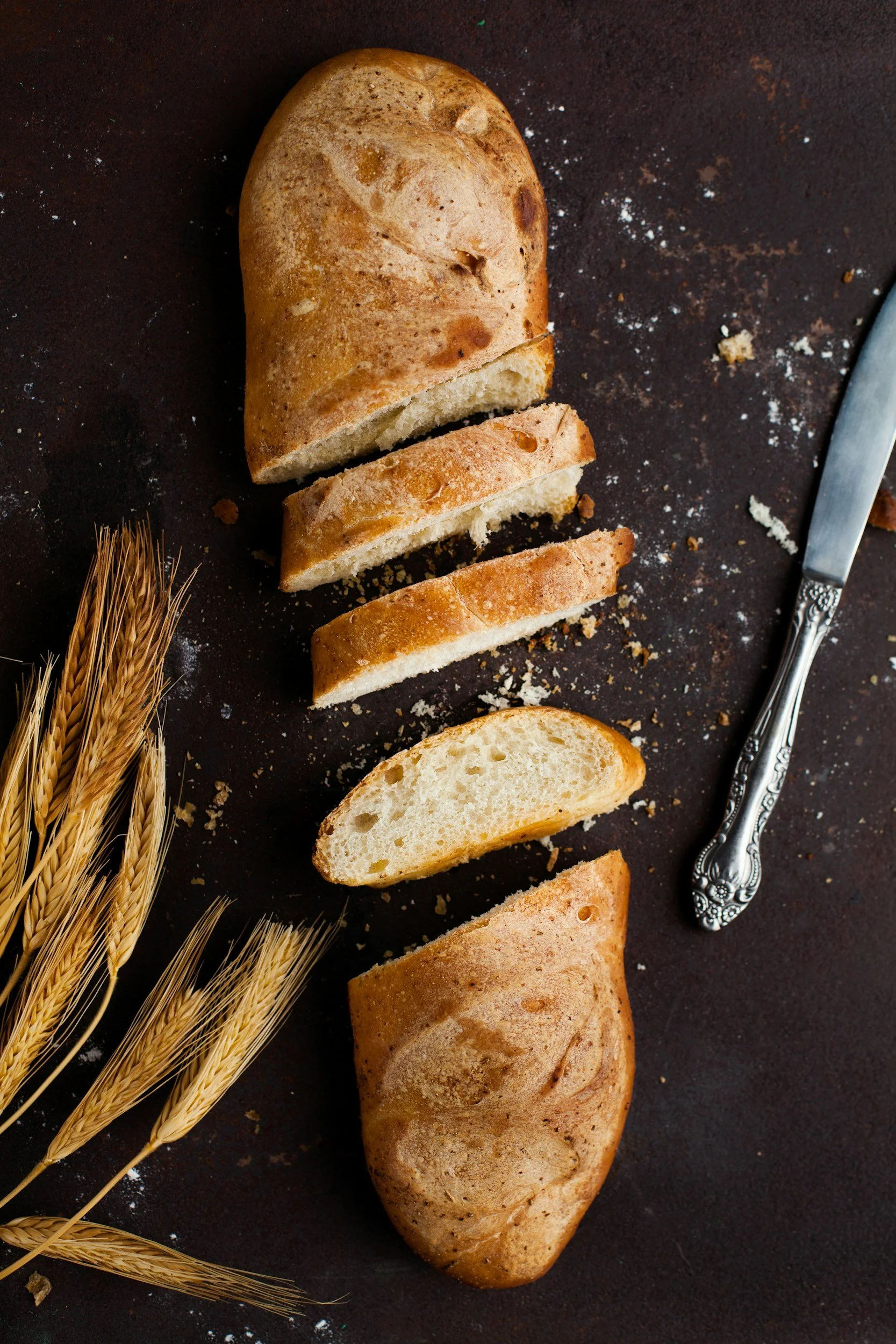
Imagine a blue ribbon hanging beside a loaf of bread under glass. Before the judging sheet goes up, someone photographs it and sends the picture to a local newsroom. An overseas editor might reasonably assume that a single baker has been declared the best in the county. The picture contains almost none of the information needed to support that claim. The reward for following the entry backward through the fair is a better story about what people make, how they enter and what the judges notice.
Find the book that explains the competition
Ask the fair office for this year’s competition guide, sometimes called a premium book. Obtain the rules and results for the particular department as well. A fair is a host for many activities, and several organizers may use the same buildings. Identify whether the loaf entered an open competition run by the fair, a youth project, a separately sponsored contest or a display assembled for visitors.
Read the entry’s class number with the department and year beside it. Class numbers can make a results sheet easy to misread if the department heading disappears in a photograph. The Minnesota State Fair’s baked products competition, for example, lists multiple classes, including contests for breads, cookies and other baked goods. Its creative activities information directs exhibitors to registration and competition materials. Consult the equivalent current guide for the fair in your story.
Suppose the label says that the loaf won first place in a class for plain yeast bread. Copy the full class wording and find out which features put it in that class. A shaped loaf, a loaf made with additions, or an entry from a different age division could have gone before different judges. If the result marks a class winner, write the class name beside the award even in a short caption.
Check who entered and what was judged
Identify the exhibitor using the released result and confirm the spelling with the person or the fair office. An exhibitor may be an individual or a group, depending on the class. Ask who entered the bread, who made it and how the rules treat assistance. A person standing by the case might be its caretaker or the winner’s relative. A surname on the entry tag alone will not establish who did the work.
Ask how the organizers count a field. In a hypothetical class there might be twelve registrations, ten loaves delivered and nine accepted for judging. The number relevant to a claim about the competition actually judged is nine exhibits. Find out whether someone could enter more than once before translating that into a number of bakers. Take the wording from the official who reconciles the entries and check the final sheet for withdrawals.
Watch how objects move after they arrive. A number may mask the entrant’s name during judging and be matched to an exhibitor later. A display volunteer may move the loaf to make room for a tray or keep a ribbon from covering a label. Ask the superintendent to confirm the connection between ribbon, entry number and exhibitor before captioning a picture of closely grouped items.
Ask what a ribbon means in this program
Some competitions rank entries against one another. Others award recognition based on how well the exhibit and exhibitor meet a standard. The University of Minnesota Extension’s conference-judging guidance for Lac qui Parle County describes consideration of both what a 4-H participant knows and the quality of the exhibit. In that guidance blue indicates good work, and purple indicates champion or reserve champion recognition. That is a local example of why color alone cannot decode a ribbon.
Ask the judge whether tasting, appearance, technique, an interview or a project record formed part of the evaluation. If there is a score sheet, obtain the criteria and ask which ones applied in this class. The public may see a glossy crust and a neat outline. The judges may also have examined the interior or listened to the entrant describe a problem with an earlier batch.
Distinguish what a judge says about a class from what they say about this entry. Someone explaining that judges generally look for even texture has given a useful account of the process. To say that this loaf won because of its texture, obtain a comment about the loaf or a written evaluation the entrant is willing to share. An interview can yield a specific, readable explanation without disclosing scores the fair treats as private.
Follow the award as far as it goes
Ask whether a class winner advances to judging within the department or across a larger division. Confirm which judging has already happened. A reserve award, a special sponsor’s prize and a public vote may have different eligibility and selection procedures. Identify who made each award and the work it recognizes. A visitor poll could celebrate a display while the department result recognizes the bread itself.
Check what the award includes. A premium may refer to a stated prize in the fair’s competition materials. Ask the office whether a cash amount was awarded, who receives it and whether a separate sponsor contributed anything. If the entry can advance to another fair, establish whether advancement is automatic, an invitation, or subject to a further decision. Report the next confirmed event and its date if it matters.
End with the baker’s part of the story. In the imagined bread class, an entrant might explain what they learned from a judge’s comment on the cut slice. Ask what they would try in the next batch and give a concrete answer room in the piece. Check with the exhibitor before identifying a younger participant or sharing a photograph, following the fair’s procedure and your outlet’s rules.
When the blue ribbon appears in the finished feature, its importance should fit comfortably within one sentence. Give the maker, object, class, placing and fair. Nearby, describe the skill the judge evaluated and what the entrant did to develop it. A reader far from the display case can then appreciate an achievement at its actual scale.
Minnesota State Fair, Baked Products Competition
University of Minnesota Extension, Tips for Conference Judging
