
How to Put a Live Performance on the Page
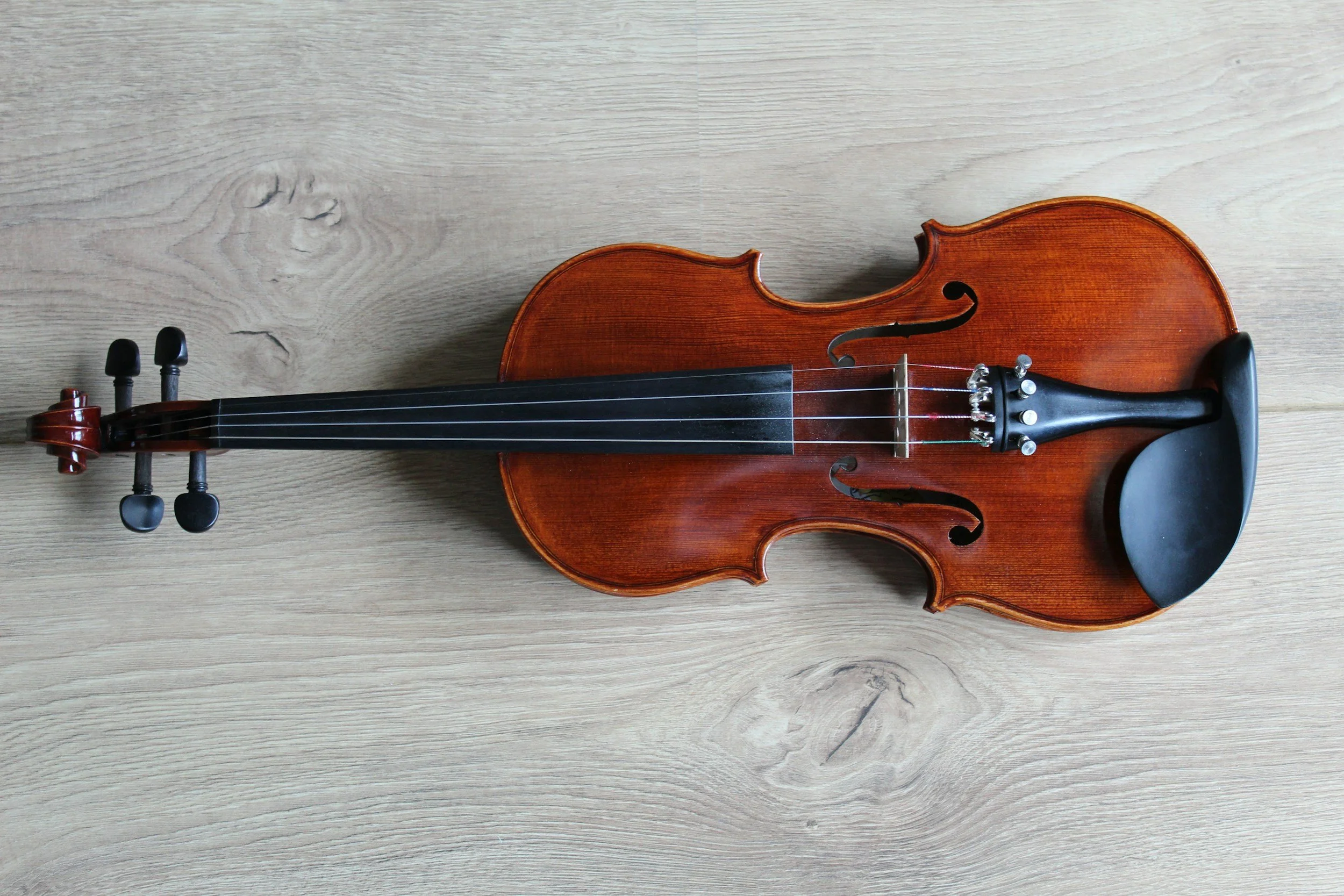
Picture a rehearsal where two musicians sit facing each other. One raises a hand above a drum. The other draws a bow across a string just as the hand falls. Even a reader who has never heard either instrument can follow that beginning. What would make the next thirty seconds worth describing? Perhaps the hand rises again and the other player waits. The passage has acquired an expectation, then a surprise. Both belong in the correspondent’s notebook.
Writing about unfamiliar music gives a reporter two jobs. One is to understand what the musicians are doing. The other is to give a reader enough material to experience the order and interest of the event on the page. A genre name or a link to a clip can aid discovery. The prose has to work for the person reading in silence.
Find your place in the room
Sketch the performers’ positions as soon as you sit down. Draw the audience in too. Mark your seat and anything that blocks the view. These few strokes make it easier to reconstruct who faced whom during an exchange and to tell a reader why you could see the bow but could scarcely see the hand above the drum.
Look up the program in advance and leave space for corrections. Write down the names of players, instruments and pieces as the organizers give them. At the venue, check for substitutions and ask how the musicians describe the group. A small printed program can serve as the basis for a useful question about who arranged a piece or how the performers learned it.
When the music begins, pick one feature that you can follow without looking away for long. A recurring figure played by one performer is a reasonable choice. Draw a stroke each time it returns. Leave room beside each stroke to record what changed. The markings need only make sense to you, and a few seconds with your eyes up may tell you more than another line of adjectives.
Give a phrase a beginning and an end
Try that exercise with the imagined rehearsal. On the first pass, the bowed note continues after the drummer’s hand rebounds. On the second, the player lifts the bow as soon as the hand touches the drum. On the third, the drummer’s raised hand hangs in the air while the string player finishes alone. The reader now knows what to watch for and can anticipate a movement that never comes.
Choose verbs that reveal duration. A note can taper, break off, or run under the next phrase. If you write that the music got faster, ask which player changed speed. Perhaps the drummer fitted more strokes between the same two gestures while the string player kept the original pace. Recovering that detail can rescue a whole sentence from an attractive mistake.
Carnegie Hall’s Music Educators Toolbox treats tempo, dynamics and articulation as separate subjects. A correspondent can borrow the distinction in plain language. How quickly did the phrase move? How loud did it become? Did one note join the next, or leave a gap you could mark with a finger? Use the question that reveals what happened in this piece. A sentence packed with technical terms may still leave its reader without a sequence to follow.
Ask the player about the moment you marked
After a performance, questions anchored in a moment give the musician a chance to correct your assumptions. Describe the lifted hand and ask how the two players knew when to resume. You might learn that the apparent cue was a flourish and that both were watching a foot resting on the floor. Verify that explanation with the other player when their part in the exchange matters.
Give an unfamiliar instrument its own reporting time. Ask for its name in the language the musician uses, how the name should appear in your publication, and which part produced the particular sound you noticed. Ask the player to describe the gesture in everyday words. With permission, a brief demonstration after the event can help you understand a small movement you missed from the back row.
Keep notes on the demonstration apart from notes on the concert. A musician playing slowly for your benefit may exaggerate a gesture or isolate a phrase that passed almost unnoticed during the performance. An account of what the musician showed you afterwards gives that encounter its proper setting and lets you use the detail.
Describe a listening position, then test the language
A comparison earns its place when it clarifies one property. The quick click of a latch might help describe the way a note ended, if that is genuinely what you heard. Follow the image back to the player’s action. If the image merely characterizes the music as strange, it tells the reader more about the visitor than about the performance.
Notice what you could feel or see as well. If your chair vibrated on a low note, identify where you sat. If several listeners moved together, describe the motion and when it began. A row of shoulders moving in time gives the passage a visible pulse. Interview a listener before drawing a conclusion about what that movement meant to them.
In a cross-border feature, check translated descriptions of instruments and ensemble roles with someone who knows the practice. An everyday word like leader can imply that a player gave instructions throughout the performance. If the group tells you that responsibility passed between players, find an observed exchange that makes the explanation legible.
Read the passage with the sound off
Hand the draft to a colleague who missed the concert. Ask where they picture the drummer at the moment the bow leaves the string. Ask what they expected on the third repetition. If their answers differ from your notes, you may need to replace a pronoun, restore a pause, or introduce the second musician a sentence earlier.
Give the final line to a detail that changes how the reader understands the beginning. In the imagined rehearsal, the drummer could lower the suspended hand quietly to one knee. The reader can recognize the gesture that brought both players in and see how the same hand can let the other musician finish.
