
What Happened Between Those Two Shots?
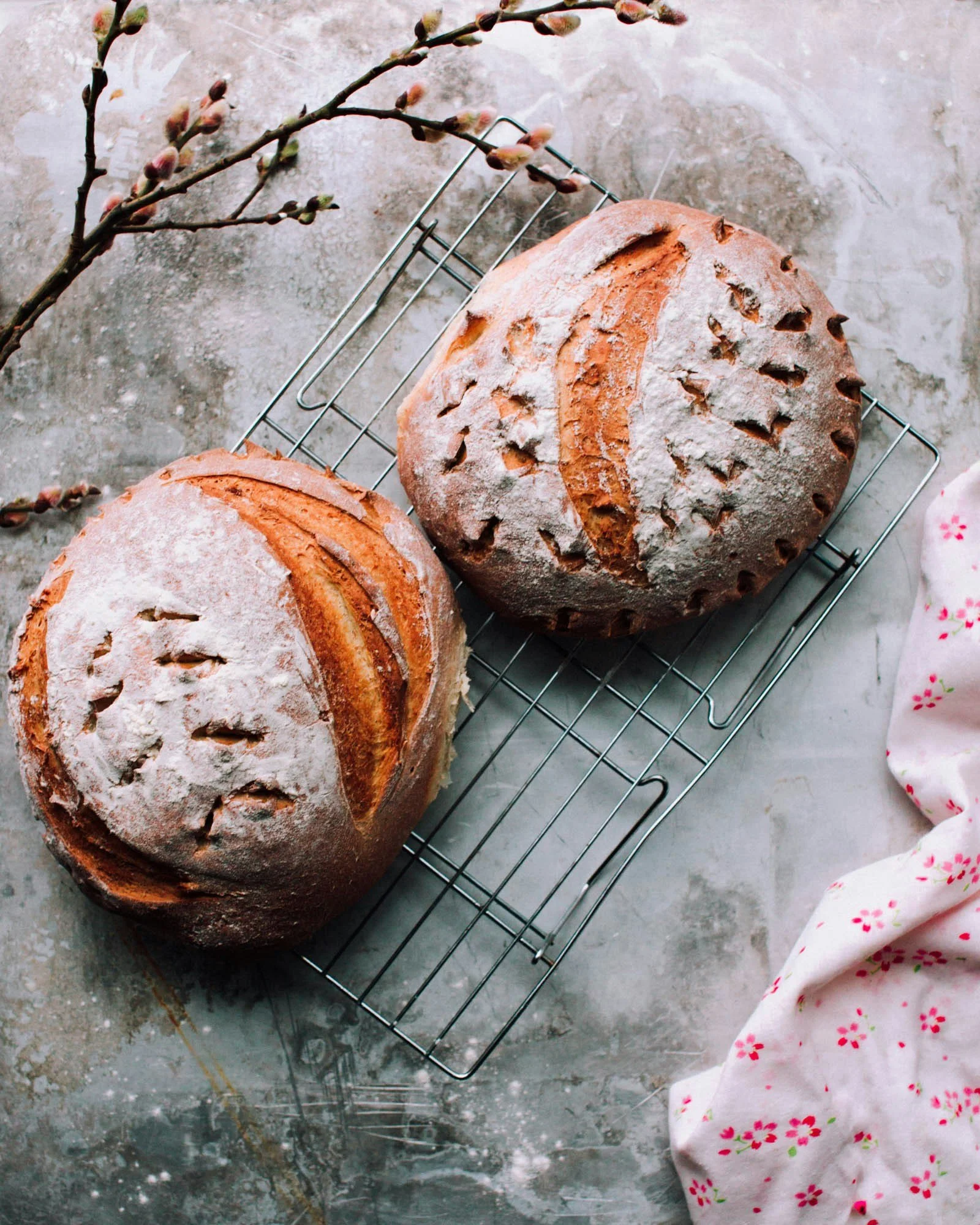
A loaf comes out of an oven. Cut to a baker looking down. Cut to a hand scoring a piece of dough. A viewer can reasonably conclude that the baker saw something wrong with the loaf and started again. The camera might have recorded all three moments during an ordinary morning that contained no such discovery.
Consider a hypothetical assignment at a neighborhood bakery in the United States. A correspondent is gathering B-roll, the supplementary pictures an editor can use alongside an interview or narration. The bakery provides plenty of movement. The questions are which actions belong together, when each occurred, and what an editor an ocean away might assume when two shots meet.
Work out what can happen only once
Ask the baker to describe the day’s schedule before you choose where to stand. Several batches might be moving through the kitchen at once. A round loaf being shaped at one end of the bench may have no connection to the trays going into the oven at the other. Find out how the staff distinguish recipes and batches well enough to recognize a mix-up.
Decide whether your story follows one loaf, one batch or an ordinary morning’s work. Following one batch means you may have to wait through a long interval while other work continues. Covering the morning gives more freedom to sample different stages, provided the story makes that span clear. This choice determines what you can honestly promise the editor by the end of the shift.
For an action likely to happen only once, choose a position that can cover it without interruption. If a particular loaf is central to the interview, a continuous medium view of its removal can be more valuable than an ambitious close-up that loses the moment the oven door opens. Let the worker decide when the bread is ready.
Give each clip a beginning and an end
Roll before the movement you expect and continue after it ends. A worker approaching a rack, lifting a tray, then walking away offers the editor real choices about where the action starts. A file that begins halfway through a movement can still be useful. Describe its first visible action so someone scanning a list knows what the clip contains.
Keep a written or spoken log between takes. Record the clip name, the approximate local time, the worker or workstation, and what you could identify about the batch. Put an uncertain identification in plain language. The file time helps reconstruct recording order, but it cannot tell the desk whether the trays came from the same batch.
When another person is filming, synchronize notes around an unmistakable event both cameras actually recorded. The two cameras might show the same oven door opening from different angles. If the second operator arrived after the bread came out, the close shot is a later view of the loaf on a rack. That difference will matter when an editor tries to cut between the angles.
Decide whether a detail belongs to the action
A close view of flour on the bench can orient a viewer without making a claim about a particular loaf. A close view of a hand adding salt makes a more specific claim when it follows a shot of a particular mixing bowl. Ask which bowl received the salt and what recipe was being prepared. If no one can identify which bowl it was, label the clip as a general view of that morning’s mixing. Keep it away from any narration naming a particular batch or ingredient quantity.
Repetitive work creates another temptation. A worker might shape a line of rolls with much the same movement each time, giving you both wide and close shots. Tell the desk that these are successive rolls. The sequence can illustrate the shaping process. It would take additional evidence to present the close shot as a second view of the exact roll introduced in the wide one.
Be particularly careful with faces. Someone glancing up might be responding to a colleague outside the frame. Joining the glance to a new machine can manufacture surprise or approval. Capture what prompted a reaction if it matters, or ask about it afterward. A clear explanation from the person involved often carries more meaning than an expression stripped of its occasion.
Keep the oven sound with the oven
Record the sound of the work in the shot, along with a few uninterrupted views in which the room can be heard. Note a loud timer, a conversation from another station or a delivery bell that may carry into adjoining clips. Sound can make two different mornings feel like one continuous minute.
The Associated Press explains its restrictions on staging and on substituting sound or images from one event for another. The National Press Photographers Association also asks visual journalists to preserve context when editing. A correspondent can put those principles into practice by giving the desk the original sound and labeling any separately recorded material by place, action and time.
If you miss the first pull from the oven, describe what happened and film what is still available. The cooling loaf, steam on a tray or an interview about the morning can all support the account. Asking someone to put a loaf back and recreate the pull would give the pictures a different origin that a viewer could scarcely detect.
Watch the silent version before filing
Place prospective clips together in a rough order and play them without narration. What does a viewer think the baker did? Which loaf appears to move from one station to another? Try a second pass with sound. Listen for an apparent reply, reaction or cause that you never observed. Move a clip, add a time cue or abandon a misleading pairing.
Send the untouched clips with a short shot list distinguishing observed sequences, general views and later details. Flag the one action you missed. A producer can then build a coherent piece about the bakery’s morning, even if the strongest shots come from several different batches. Viewers abroad will follow the work because its real order makes sense on screen.
Associated Press, Telling the Story
National Press Photographers Association, Visual Integrity Guidelines
