
The Concert That Ended Before It Began
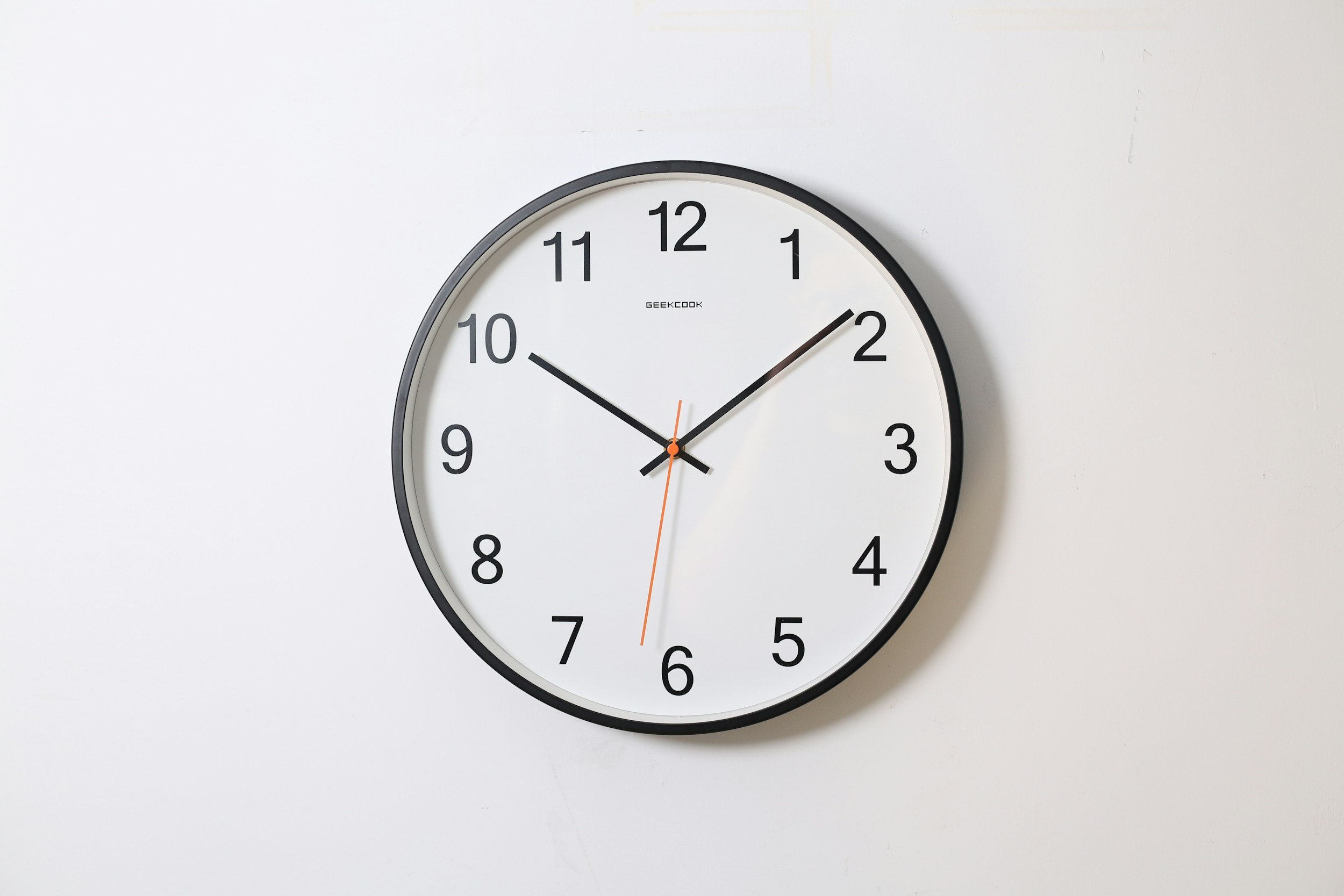
A quartet starts playing in New York at 1:45 in the morning. The station returns to its announcer at 1:15. A listener in California remembers tuning in on Saturday, although the New York program lists the performance under Sunday. All three accounts can be right.
Imagine an overnight arts broadcast on November 2, 2025, when clocks in New York turned back. The quartet, the listener and the broadcast are fictional. The clock change is real. A correspondent working from the program and a recording can tell a reader exactly how long the quartet occupied the air, provided the two times describe the same part of the production.
Find out what started
Bring the producer a question that has an audible answer. When did the audience hear the first note? An engineer might call the moment the microphones opened the start. A presenter might remember introducing the players. A station schedule might give the top of the hour, when the whole arts program began. Each could be accurate to the minute and answer a different question.
Give each action its own line in your notes. Record the time as supplied, the exact date if available, who or what supplied it and what the entry measures. Keep the printed program under planned events. In a second group, collect evidence of what aired, including the station’s recording of its transmitted program if one is available. A rehearsal recording with the same repertoire could sound remarkably similar.
Listen for two identifiable points that survive changes of format. The first note of the quartet and the announcer’s first word on returning are better markers than an indistinct rustle. Ask if the file contains the whole interval. An edited concert archive may join the last chord directly to the announcement, erasing applause that listeners actually heard.
Give both occurrences of one o’clock a name
In New York that Sunday, 1:45 a.m. occurred twice. In the first occurrence the city was on Eastern Daylight Time, four hours behind Coordinated Universal Time, or UTC. In the second it was on Eastern Standard Time, five hours behind UTC. An entry reading simply 1:45 a.m. Eastern leaves two possibilities. A phone screenshot bearing that time alone leaves the same two.
The U.S. National Institute of Standards and Technology lists the Eastern offsets and explains when the clocks turn back. Establish the rule for the city and year in question. A producer remembering this year’s clock change can give an entirely sincere answer about the wrong weekend if the performance took place several years ago.
In the example, suppose the station can establish that the quartet started during the first passage through the hour and the announcer returned during the second. Enter 1:45 a.m. Eastern Daylight Time alongside 05:45 UTC. Enter 1:15 a.m. Eastern Standard Time alongside 06:15 UTC. In both cases the UTC date is November 2. Reading down that column gives an interval of thirty minutes.
Test the interval against the sound
Play the recording from the first marker to the second. If the file is continuous and thirty minutes elapse, the running time independently supports the sequence. Listen to the end of the interval before calling it a thirty-minute performance. Part of that half hour may belong to applause, a station identification or a presenter who waited for the hall to quiet down.
A mismatch can disclose something about the source. A station might have retained a feed captured in the hall while a viewer sends you a clip saved from the webcast. Ask where each was recorded and whether either includes an introduction, a delay or an edit. An upload time answers a question about the file’s arrival on a platform. It cannot establish the instant the first note reached a listener.
Where a repeated hour remains unresolved, keep the ambiguity attached to that entry. A continuous recording can still tell you that the announcer followed the quartet and how much time passed. The story can use those findings even when a precise starting time would require guessing. Tell the picture desk as well, since an unsupported minute can reappear under a photograph.
Follow the broadcast into Saturday evening
For the California listener, take the verified UTC instant and convert it for Los Angeles on the relevant date. At 05:45 UTC on Sunday, November 2, it was 10:45 p.m. on Saturday, November 1, in Los Angeles. Thirty minutes later it was 11:15 p.m. there. The listener’s Saturday fits the New York station’s Sunday broadcast without any need to move the concert to another night.
An editor checking the California conversion can start from the other end. Put the listener’s Saturday evening time into a converter set to Los Angeles, include the November date and see whether the result returns the same Sunday UTC entry. That round trip catches a surprisingly easy transcription error when a spreadsheet displays the hour in one column and keeps the date out of sight in another.
Give an overseas editor the dates along with the conversions. A program promoted as Saturday night entertainment may run through midnight even on an ordinary weekend. Identify which date belongs to the program listing, which belongs to the performance and which a reader would have seen on the receiving end. Replace yesterday or tonight with an actual date in captions intended for reuse.
Let the reader follow the music
The published item may need only a sentence saying that the quartet came on early Sunday in New York and that the announcer returned half an hour later, after the clocks had gone back. A California edition can add that the music began late Saturday there. Use both clock readings if the odd order is part of the story, and spell out daylight and standard time on that first mention.
Send the underlying chronology with the copy. Include the original entries, the two conversions and the points on the recording that support the interval. A colleague preparing an anniversary feature can then find the same passage even if the station republishes it as an excerpt. The music gives the chronology its most portable reference points. A listener anywhere can recognize the first note and the announcer’s return.
National Institute of Standards and Technology, Local Time FAQs
