
What a Listener Can Hear at a Ferry Landing
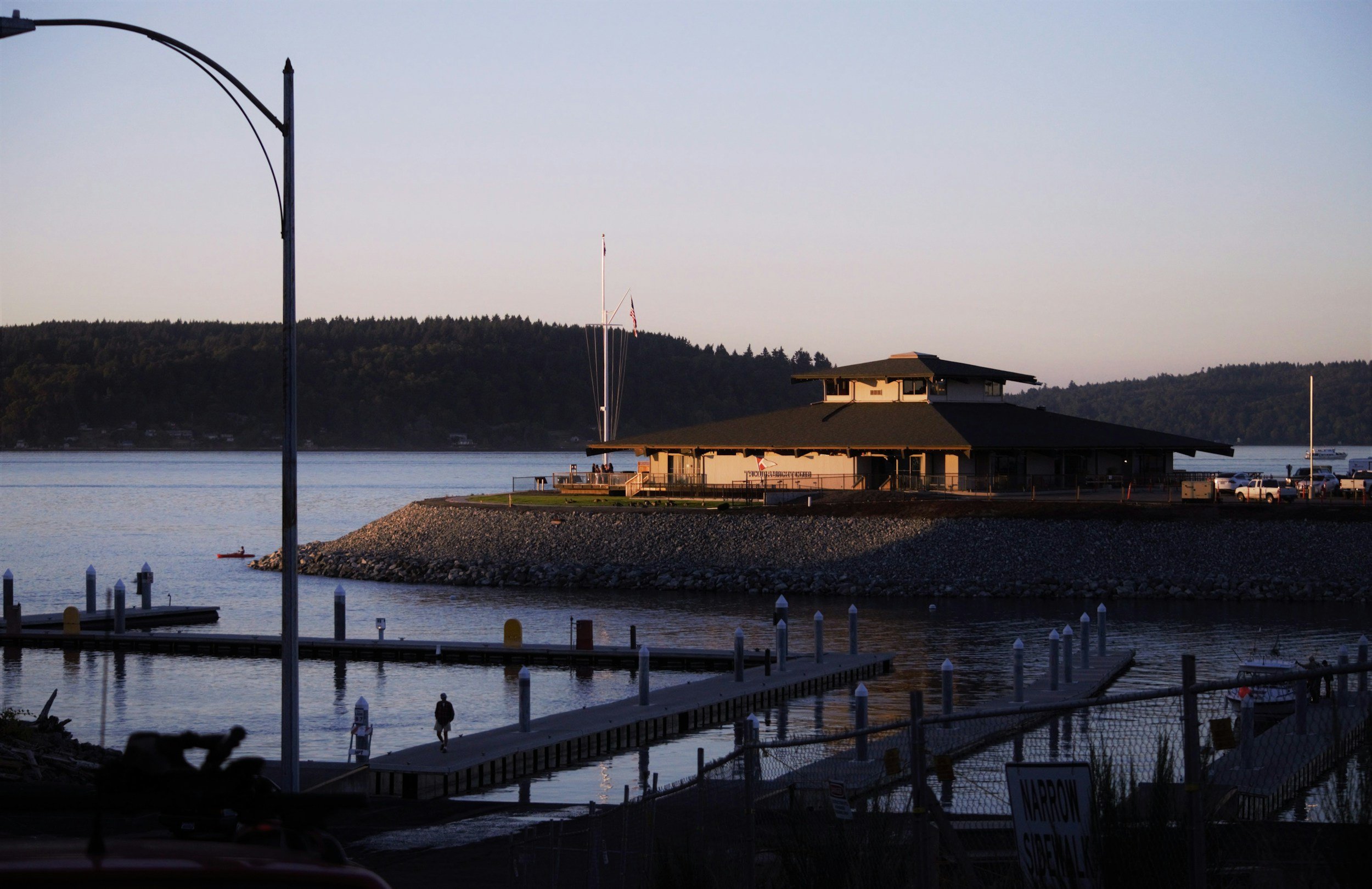
At a ferry landing, the ramp hitting the dock might tell a listener more about the rhythm of a commute than a minute of narration. It cannot tell them whether passengers are angry about a fare rise. A radio correspondent needs to know exactly which part of a story a sound can carry.
Radio makes the listener a witness in an unusual way. They can hear a queue move without seeing how many people are in it. They can hear a metallic crash without knowing whether it is routine. On an international broadcast, even familiar sounds can carry unfamiliar meanings. The reporter must decide what the ear can establish and supply just enough explanation for everything else.
Walk the crossing before you build the scene
Begin on the shore without a running commentary. Work out where a traveler buys a ticket, waits to board and disembarks. Listen for changes in the sound as you move. Under a shelter, rain can overwhelm conversation. Near the engines, a person may speak loudly just to be heard. A recording made there can make an ordinary disagreement sound like a confrontation if the narration gives no account of the setting.
Record the place before the interview begins. A clean stretch of the landing at its normal volume gives the producer a way into the scene. Then follow one complete action, such as a bicycle rolling across the metal ramp. Log where you stood, the direction of travel and what made the sound. If the ramp was lowered by a crew member after the last passenger left, say so in the log.
Listen from the position of the people whose experience the story follows. A pedestrian hears a different crossing from someone in a vehicle with the windows closed. If one side of the landing is inaccessible, tell the producer where the microphone actually stood. Keep any recording position clear of staff and passengers doing their jobs. A missed sound can be gathered on the next permitted crossing. A disrupted operation changes the scene you came to report.
Build a sequence that has a beginning and an end
Take an example from a commuter arriving by bicycle. The gears click while the rider approaches. The sound changes as the tires meet grating. A bell sounds elsewhere. Record enough of the movement to establish the transition, and mark which noises came from other people. In the edit, a bell placed half a second earlier could imply that the cyclist rang to warn somebody. Check that any action the sequence suggests was actually observed.
When a producer asks for atmosphere, find out what hole the sound must fill. Ten seconds of a ticket office before it opens conveys stillness. Ten seconds from a crowded desk conveys activity. Neither recording demonstrates whether the entire system is busy. Label both with place and time. Save a clean stretch without your own questions so that an editor can let the listener hear where the interview took place.
Interview for what the microphone cannot establish
Gather voices separately enough that the producer can understand them. Ask one commuter to describe what changes at the far end of the crossing. Listen with headphones for announcements, wind and music that could obscure the answer. Explain the intended broadcast to anyone you interview.
Prompt the passenger for a sequence rather than a verdict. What time does she usually leave home? What does she do if a sailing is delayed? Who covers the first few minutes of her shift? These questions can reveal exactly why a ten-minute delay matters. Ask how often it happens and how she knows. A vivid account of one missed connection belongs to her. A claim about the route’s reliability calls for schedules, cancellation records or other evidence.
If a passenger answers in a language unfamiliar to the audience, record the whole answer and note where its meaning changes. A producer may want to hear the speaker’s voice before a translation begins. Supply the original wording and a translation with the same qualifications. If “sometimes” falls off the end of a short clip, the answer can sound as if the problem occurs on every sailing.
Send a log a producer can use in the dark
Put the clip name, time, location and a plain-language description together. Add the names of identifiable speakers who agreed to be interviewed and any limits on use. A producer opening a folder after midnight should not need to distinguish three files called “final ferry sound.” A name such as “east landing, metal ramp lowered, 07:12 local” carries information even if the notes get separated from the recording.
When filing, give each clip a descriptive name, a duration and a sentence about its origin. Keep the sequence honest in the edit. A crowd cheering on another crossing cannot stand in for the passengers who heard today’s announcement, however well the sound fits.
In the log, distinguish what was seen from what was inferred. A low horn may come from another boat in the channel. If nobody identified the vessel, write “horn nearby” and let the editor decide whether it is useful. If bells from a church on the far bank are important to the story, establish the source while you are there. The more unusually meaningful a sound seems, the more valuable that small check becomes.
Edit once for someone who has never seen the town
Listen to the piece with your eyes closed and no transcript. At what point would a listener know the scale of the water crossing, why people make it and which voice belongs to whom? One sentence locating the ferry between a residential shore and an industrial district may do more than a list of unfamiliar neighborhoods. Place it before the first sound that depends on that knowledge.
Try a second pass using only the narration. Mark any sentence that merely identifies a noise already obvious to the listener and any sentence that leaves an important ambiguity unresolved. “You can hear the ferry” may add little. Explaining that the heavy clang is the signal for bicycles to board can make the next ten seconds intelligible. Have someone unfamiliar with the reporting describe what they think happened. A convincing but mistaken answer is a reason to recut the sequence.
The strongest ending might be small: a passenger putting a bicycle light back on, the last footsteps leaving the ramp or a worker naming the next departure. Use the sound you actually gathered. The aim is for a listener thousands of miles away to understand one crossing well enough to recognize what would change if the fare, timetable or service changed.
