
The Translation Is Correct, but the Subtitle Vanishes Too Soon
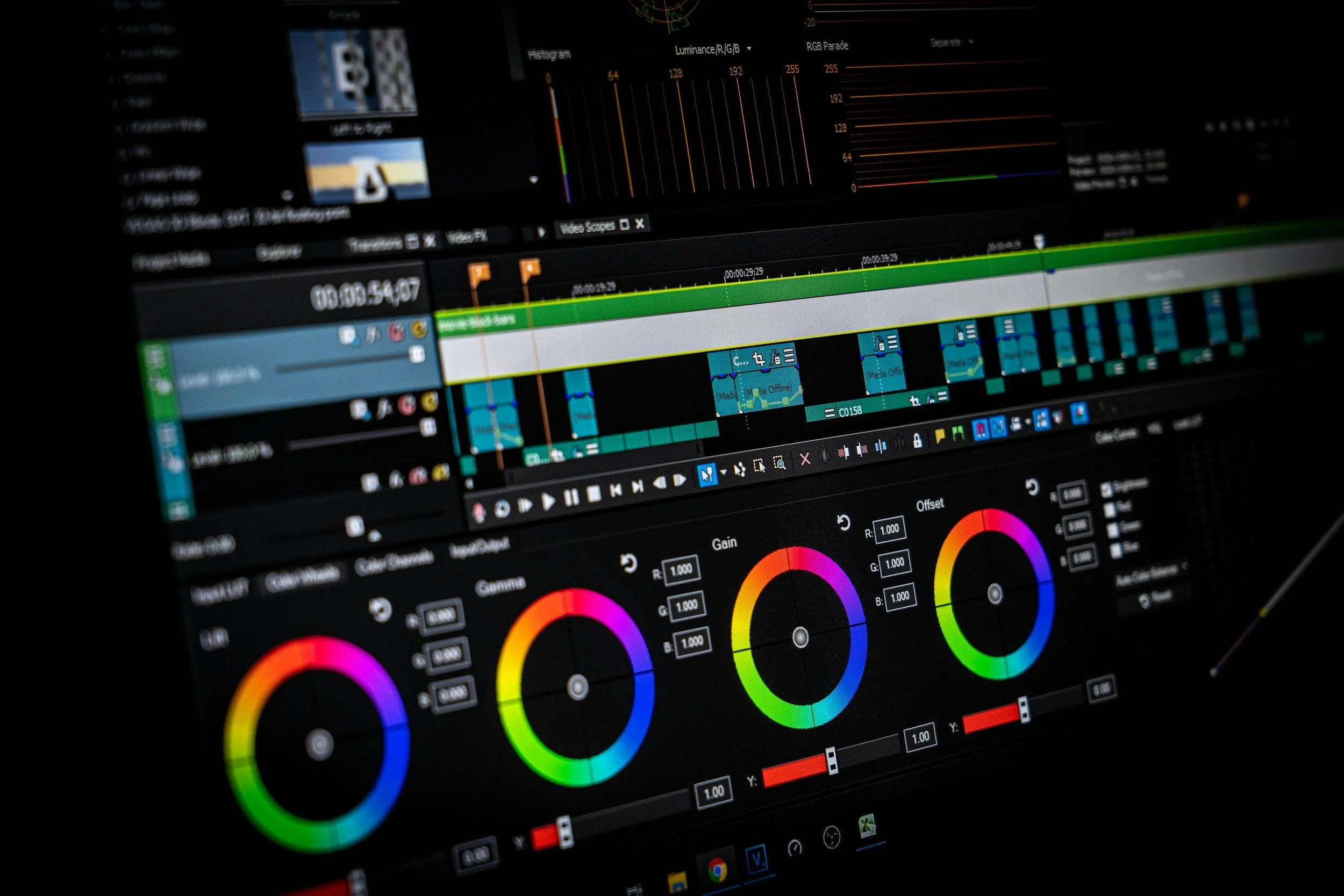
A reporter's translated interview is accurate sentence by sentence, but the words flash past too quickly to read. In a hypothetical museum feature, a long answer about a restoration technique occupies two brief subtitle cards while the camera shows a delicate action. The viewer must choose between reading the explanation and watching the evidence.
Subtitle quality involves both language and time. An international correspondent preparing material for another audience needs a translation that preserves meaning and a presentation that gives people a reasonable chance to read it. A checked transcript is a starting point, not a finished subtitle track.
Establish which text track you are making
Clarify whether the assignment requires translated subtitles, same-language captions or both. W3C's media guidance distinguishes translated subtitles from captions that also communicate relevant non-speech audio for accessibility, while recognizing that terminology differs between regions. Use a practical description of the required content when discussing the job with an overseas desk.
Identify the language of the source recording and the language of each outgoing track. Keep the verified transcript and translation linked to the same media version. If the edit changes, a formerly correct subtitle file may no longer align. Label versions clearly enough that the translator and producer are reviewing the same sequence.
Ask for the publication's subtitle style guide and technical delivery requirements. Reading-speed conventions, line limits and punctuation choices can differ. Avoid declaring one numerical rule universal. The agreed standard is a useful baseline, but the final video still needs to be watched for comprehension.
Break ideas at meaningful places
Divide a spoken answer into units that can be understood without forcing the viewer to hold half a thought through several rapid changes. Keep names, numbers and their units together where possible. A line break should not suggest that a qualifier belongs to the wrong statement or that a speaker has completed a thought when the next card reverses it.
In the hypothetical restoration feature, a phrase explaining that a material is used only for a temporary support should not separate the limitation from the material's name in a confusing way. The viewer may miss a brief card. Arrange the text so that the essential qualification remains easy to follow.
Read each card with the adjacent cards, not in isolation. A linguistically elegant sentence can become awkward when broken across time. The translator may need to adjust word order to match the available space while preserving meaning. Those changes deserve a language review rather than being made solely by a video editor who cannot assess the source.
Match text to the event it explains
Place the subtitle so that the viewer can connect it with the correct speaker and action. If the answer refers to a tool being lifted, a subtitle that arrives after the tool has left the frame can make the explanation harder to understand. Timing should support the reported relationship between words and pictures.
W3C's media requirements discuss synchronized text and the ability to control when text appears and disappears. They also recognize reading-speed concerns. These principles explain why simply pasting a full translated paragraph over a short clip is inadequate. The presentation needs deliberate timing, not just accurate words somewhere on screen.
Avoid revealing a response before the speaker has delivered it when that changes the sequence's meaning. A subtitle can inadvertently disclose the conclusion while the person is still considering a question. Review pauses and reactions with the same care given to the words themselves.
Solve overcrowding without changing the claim
When a translation is too long for the available time, discuss the options with the producer and translator. A longer shot, a different edit or a more concise faithful translation may help. Removing an unnecessary repetition is different from removing a limitation, a negation or the source's uncertainty.
Do not shorten a technical phrase by replacing it with a broader claim merely because the broader phrase fits. In the museum example, a statement about one test object should not become a statement about every object in the collection. The subtitle is part of the published quotation and needs the same factual care as a written extract.
If substantial condensation is unavoidable, follow the newsroom's standards for representing edited speech and make the treatment clear where necessary. Keep the full checked transcript available. An editor should be able to review what was omitted rather than inferring the original answer from the shortened cards.
Test readability in the intended format
Watch the video at normal speed on a screen comparable to the audience's likely device. Read the subtitles without pausing, then watch again to assess the visual action. If understanding requires repeated replay in a simple explanatory sequence, inspect the timing and density before blaming the viewer.
Check line wrapping, contrast and placement in the actual player. A subtitle that looks clear in an editing window may overlap a name label or an important hand movement after export. Review each language separately, because different wording can change the number of lines and the space occupied.
Ask a competent reader unfamiliar with the story to explain the key point afterward. Their response can reveal a missing qualification or a sequence that assumes background knowledge. This is a comprehension check, not a substitute for translation expertise. Both language accuracy and practical readability matter.
Verify the final track after the last edit
Any late trim can shift the relationship between text and sound. After the edit is locked, review the opening and ending of every subtitle cue, speaker changes, names and numbers. Confirm that the file's language label matches its content and that the player offers the intended track.
Keep the subtitle file, verified translation and final media version together in the handoff record. Tell the desk whether the track was checked against the actual export or an earlier cut. This prevents a technically compatible but outdated file from being attached at publication.
The successful subtitle does more than translate a sentence. It gives the audience time to understand that sentence while following the person and action on screen. A correspondent who plans for both tasks makes the reporting accessible across languages without sacrificing its precision.
