
More Bird Sightings Can Mean More People Looking
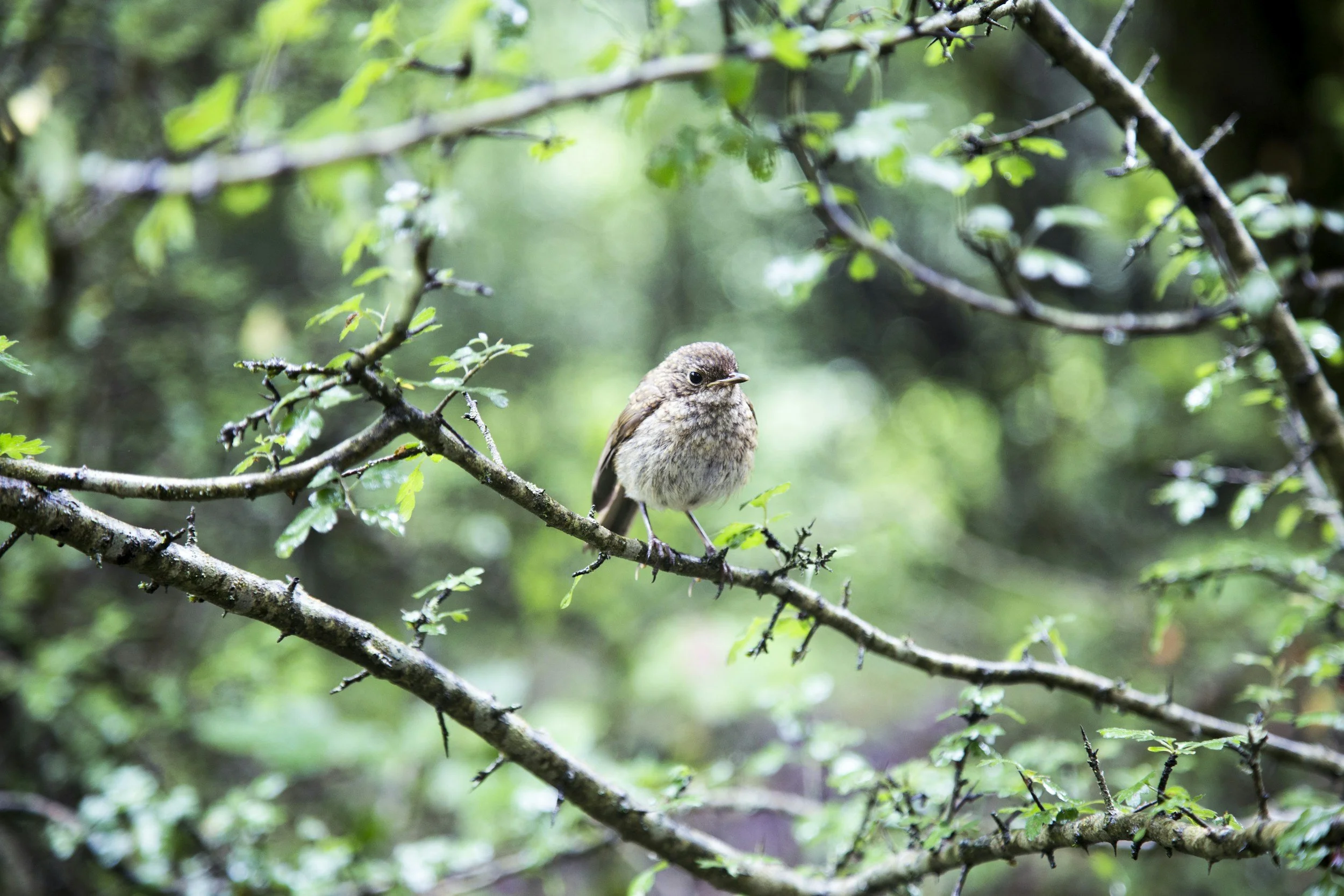
A park's bird sightings appear to double in an online archive. The result seems ready for a cheerful feature about a returning species, until a correspondent learns that a new walking group began visiting every weekend. The archive may reflect more birds, more observation, more reporting or several changes together. For an international audience, the interesting story can be how residents document wildlife, provided the reporter distinguishes a record of sightings from a defensible estimate of population change.
Identify what one record represents
Start with the unit in the download. Is each row a checklist, a species entry, an individual count or a modeled estimate? Several people may observe the same bird, and a checklist can contain many species. Counting rows without understanding the unit can turn participation in a monitoring activity into an apparent change in the animals themselves.
Ask the archive or project specialist how shared observations and repeated visits are represented. Keep the location, date, protocol and count fields together. A spreadsheet reduced to species and year may have discarded the very information needed to interpret the difference. Save the original file before making a smaller working table for the story.
Read complete as a reporting convention
Cornell Lab's eBird defines a complete checklist around the observer's effort to report all species they could identify while birding was the primary purpose. It does not mean every bird present was detected or identified. That distinction matters when a reporter sees a complete label and assumes the list is a census of everything living in the park.
The project's guidance also distinguishes lists that intentionally include only highlights. A checklist containing a rare bird but omitting common species answers a different question from a complete account of identified species. Ask which kinds of records are included in the analysis, rather than assuming that every submitted list can be used in the same way.
For a hypothetical feature, an observer's excited photograph can establish a documented encounter if its identity, location and date are verified. It cannot by itself establish that the species has become more common. Keep the encounter as a scene and seek the appropriate broader evidence for any claim about change.
Put effort beside the count
eBird's protocols record information such as start time, duration and distance for suitable stationary or traveling observations. These details help describe how the observation was made. A five-minute stop and a long walk through several habitats should not be treated as interchangeable opportunities to detect birds simply because both resulted in a list.
In the hypothetical park, ask how the new group chose its route, how long it watched and whether its visits were entered separately. Compare the effort information across the periods in the story. The reporter need not build a population model, but should recognize when a raw count of submissions is mostly an account of increased participation.
Observe a walk if it helps explain the process. Record how participants distinguish sight from sound, pause to identify a bird and resolve uncertainty. Avoid pressing the group to produce a particular species for the camera. The strongest scene may be the careful decision not to make an identification when the evidence is insufficient.
Check where and when people looked
A map of observations is also shaped by access and attention. Ask whether paths opened, observation points changed or organized visits became more frequent. These are reporting questions to investigate, not assumptions that every apparent increase must be an artifact. The aim is to understand the evidence before choosing an explanation.
Compare the same season and geographic scope when that is appropriate to the question. A full year's submissions should not be set against a partial year's data without explanation. Likewise, an expanded park boundary can change the area represented by a location name. Preserve the definition of the area used in the analysis and show it on a locator map if useful.
For readers abroad, clarify that a commonly used birding location may be a reporting convention rather than a biological boundary. Birds do not become separate populations because observers choose different map pins. Ask a researcher how the spatial unit affects any proposed inference, particularly when the story compares neighboring sites.
Distinguish raw records from analyzed products
If using a research product derived from observations, read its methods and ask what adjustments it makes for effort and coverage. A modeled abundance or trend estimate is not the same as a total of submitted sightings. Give the product its name, period and uncertainty, and explain the distinction in language an editor can preserve in a short caption.
Do not reverse-engineer a percentage change from a colorful map when a documented estimate is available. Ask the producing team which figure supports the claim and what geographic scale is defensible. A national result may not justify a statement about one park, while a local anecdote may not explain the national pattern.
Write the strongest claim the evidence supports
The park feature may ultimately be about a growing community of observers rather than a growing bird population. That is a worthwhile educational story. Describe what the archive shows, what the group contributes and what an analyst can or cannot conclude about wildlife from the available record. Avoid presenting the more modest finding as a disappointment.
Keep the original checklist link with the reporting notes so another editor can verify the encounter and its stated observation effort.
Before publication, review verbs such as returned, recovered, vanished and doubled. Each can imply a biological change beyond the documented sightings. A carefully qualified account of a species being observed at a named site on a stated date can be vivid and accurate. Readers learn how to appreciate the encounter while understanding the additional work needed to turn many encounters into evidence of a trend.
