
The Folder Title Is a Signpost, Not the Whole Archive
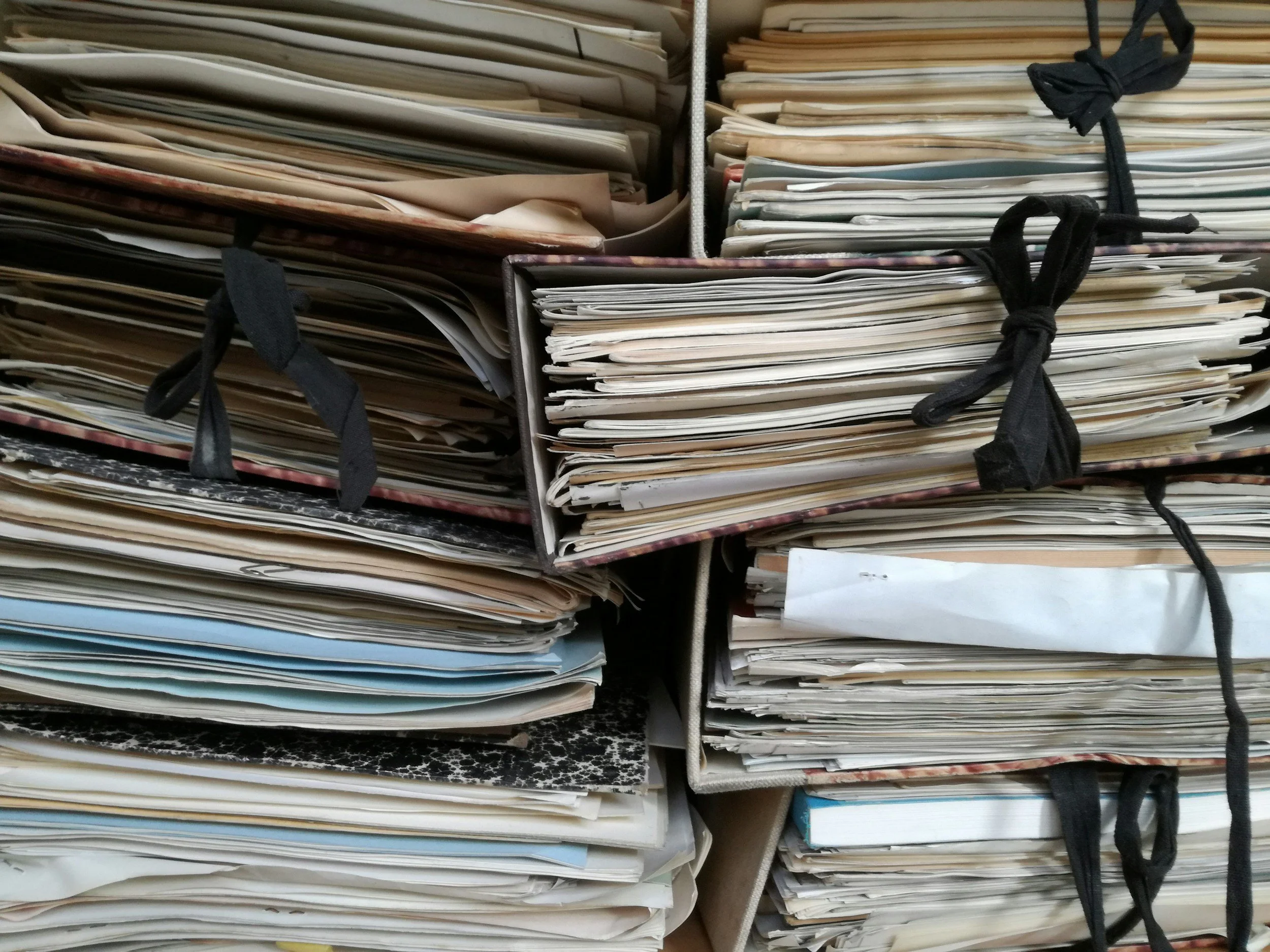
A search finds a folder called Correspondence in a collection connected to your story. It is tempting to imagine a neatly indexed set of letters answering the central question. A finding aid rarely makes that promise. It describes an arrangement of records at particular levels, often without naming every item. Understanding those levels is the first step toward a productive archival reporting visit.
Imagine a hypothetical feature about the creation of a neighborhood music school. You want to establish when organizers first discussed renting a building. A collection's date range includes the right decade, but that alone does not establish that it contains the relevant correspondence. Work from the broad description toward the folder, then test the actual documents against the reporting question.
Read the collection description before the search hit
Open the full finding aid rather than stopping at a search-engine snippet. Record the repository, collection title, identifier and dates. Read the biographical or administrative note to understand who created or accumulated the records. The identity of the record creator can explain why certain activities appear and why others may be absent.
Read the scope and content statement as a description of the holdings, not an independent account of every event mentioned. Note whether the collection consists of personal papers, organizational records or material assembled later by a collector. Those origins affect the questions you should ask of the evidence. They do not automatically make the collection more or less trustworthy.
Harvard Library's guide explains that finding aids commonly move from the whole collection through smaller groupings such as series and folders. Many do not describe individual items. That means a name absent from the finding aid may still appear inside a folder. It also means a name in a description does not establish the contents of every document beneath it.
Follow the hierarchy without losing the parent level
Copy the full path to the material: collection, series, subseries if present, box and folder. A folder title such as Minutes gains meaning from its parent series. It might refer to a committee, a branch or a particular project. Removing that context can lead a reporter to attribute a document to the wrong part of an organization.
The National Archives' description of finding-aid types shows that inventories, folder lists and registers provide different kinds of detail. A box list is a locating tool, while another aid may include administrative history and relationships among records. Read the aid according to what it supplies. Do not expect an item-level inventory when the institution has described the material only by container.
In the hypothetical music-school inquiry, a building committee's correspondence may be more relevant than the director's general letters. Ask the archivist whether related series exist and how the arrangement reflects the organization's work. A well-framed question can uncover another route through the records without demanding that staff conduct the entire investigation for you.
Treat dates as descriptive boundaries
A collection's inclusive dates indicate the span represented, not continuous documentation of every intervening year. A folder date range can also be approximate or broad. Ask what the notation means when the distinction matters. Do not assume a folder covering ten years contains a complete annual sequence of records.
Look for bulk dates, gaps and notes about later additions. If the story concerns a specific month, confirm that the requested material is likely to cover it. A collection can be extensive and still fail to answer that narrow question. Recognizing this early helps you identify another collection, a contemporary newspaper or an interview that might supply the missing evidence.
When an item is undated, keep that uncertainty visible. Its position among dated papers can provide a research lead, but it does not automatically establish the same date. Examine internal references and related records before assigning a chronology. In your notes, distinguish the archivist's description from your own inference about the document.
Check access before interpreting absence
Read restrictions, processing notes and information about unprocessed or off-site material. An online finding aid may describe only the material currently arranged or available. A failed keyword search does not demonstrate that a subject never appears in the archive. It establishes only the limits of the search you performed.
Ask whether the finding aid has been revised and whether additional descriptive tools exist. Some repositories have supplementary lists or staff knowledge that helps researchers navigate a collection. Keep the response precise: an archivist may suggest a likely location without guaranteeing that the desired document is there. Treat the suggestion as a lead until the source is examined.
Plan requests around the repository's procedures and your deadline. Give the full identifiers and a concise statement of the question. If you cannot inspect all relevant folders, record the selection method and its limits. A story should not imply an exhaustive archival review when the reporter has read a targeted sample.
Let the documents challenge the folder label
Once the material arrives, preserve its order and follow handling instructions. Record the citation for each item before taking notes or permitted photographs. Read adjacent pages when they are needed to understand a letter's context. An enclosure, reply or draft can change the meaning of the page that first caught your attention.
In the music-school example, a letter proposing a rental is evidence of a proposal. It does not establish that the lease was signed. Look for the response, agreement or later record of occupation. The folder title helps locate the exchange; the documents establish what happened. Keep those two functions separate in the finished narrative.
Cite a trail another reporter can follow
Use the repository's preferred citation guidance and retain enough detail for a future researcher to identify the material. Link the online finding aid where useful, but do not let a general collection link replace a precise item citation in your internal notes. The desk may need to check a single sentence long after the visit.
Before filing, review statements that begin with the archive shows. Replace them with language identifying the document and what it supports. A finding aid is a map of an evidentiary landscape, not the evidence for every claim on that map. Reading it carefully gets the correspondent to the right place; reading the records carefully makes the story defensible.
