
The First Flower Was Seen on Friday. When Did It Open?
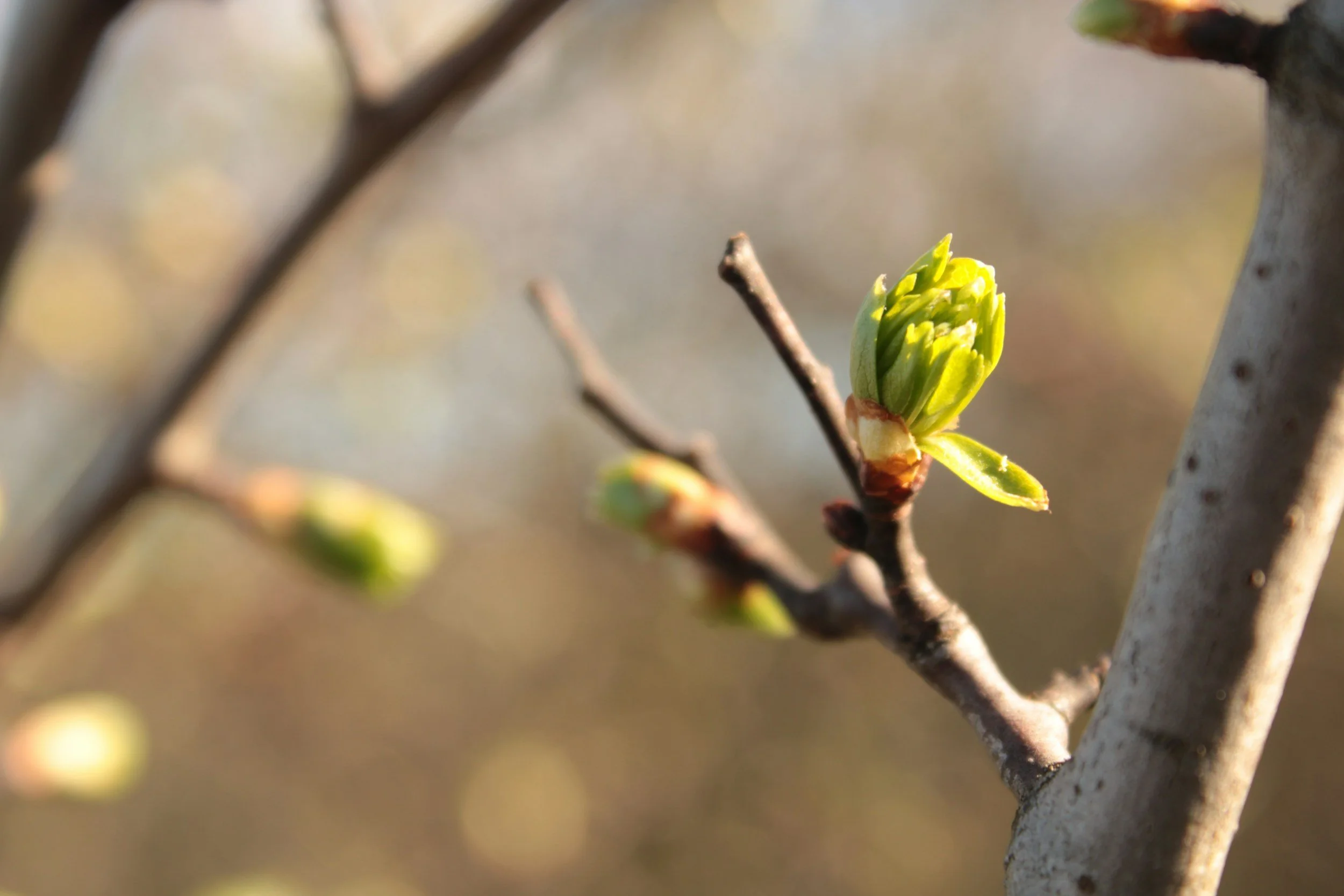
The date of a first flower makes an appealing opening for a seasonal feature. A volunteer bends toward a branch, sees an open blossom and enters Friday in a monitoring record. For the correspondent, that is a documented observation. It may not be the exact date the flower opened. Understanding the difference helps an international audience follow both the pleasure of watching a familiar plant and the discipline required to turn those visits into useful evidence.
Ask what the observer was looking for
Phenology concerns the timing of recurring biological events. In a monitoring program, a named phase has a definition that observers are asked to apply. Obtain the definition for the species and phase in the record. An open flower, a flower bud and a fruit can be separate observations rather than interchangeable signs that spring has arrived.
Ask the observer to show the feature they use to make the decision. Record the plant identifier and the location without publishing sensitive or private site details unnecessarily. A photograph of the whole plant can establish context, while a close view can illustrate the relevant feature. Keep both connected to the date of the observation rather than using an undated image as evidence.
Preserve yes, no and uncertain
Nature's Notebook instructs plant observers to record whether a phase is occurring, not occurring or uncertain, and to leave it unmarked if they did not check. Those entries have different meanings. A blank cell should not become a no when a spreadsheet is cleaned, and an uncertain entry should not become a confident yes merely to simplify a chart.
In a hypothetical sequence, a volunteer records no open flowers on Monday, does not visit Tuesday through Thursday, and records yes on Friday. The visits place the change within an interval; they do not identify the precise moment it occurred. The reporter can say that open flowers were first observed Friday while explaining the gap if exact timing matters to the story.
Ask the program's data specialist which derived date appears in a downloaded product. A field labeled onset may be calculated under a documented rule rather than copied directly from one visit. Keep the definition with the value and distinguish a derived estimate from the original observation records that support it.
Follow the same plant through the visits
Confirm whether the record follows one individual plant, a patch or a broader site. A photograph of a neighboring tree cannot silently stand in for the monitored individual. If the original plant was replaced or lost, ask how the program recorded that change. Continuity of a familiar location name does not necessarily mean continuity of the same biological subject.
For a hypothetical garden feature, label the monitored shrub on a private reporting sketch and record its identifier in the notes. When another volunteer takes over, ask how they recognize it and apply the same phase definition. The practical handover can make a strong scene because it shows how a small observation becomes comparable with earlier ones.
Do not imply that all volunteers use identical skill or judgment simply because the database has one format. Ask about training, review and uncertainty. The Nature's Notebook documentation acknowledges variation among independent observers. That is a reason to understand the method, not a reason to dismiss all observations or to treat every entry as equally certain.
Compare visiting effort before comparing years
An earlier first observation can reflect an earlier biological event, more frequent visits or a combination of factors. Inspect the preceding observations and gaps for each year before writing that flowering advanced by a precise number of days. A year with daily visits and a year with one weekly visit provide different temporal detail.
Ask an analyst how they handle those differences in a broader study. The reporter should not create a trend from two convenient first-yes entries without considering observation frequency, missing records and the scope of the comparison. A feature about one volunteer's notebook can remain valuable as a local account without claiming to establish a regional shift.
Keep the comparison species-specific. Different plants can be at different stages on the same morning, so a photograph of one species does not verify the recorded phase of another. Use the scientific name when needed to resolve common-name differences across countries, and check the spelling with the program or a qualified botanical source.
Separate the observation from its explanation
A warm spell, a planting location or another environmental factor may be relevant to a flowering story. Establish the evidence for the proposed explanation rather than treating coincidence as sufficient. Ask the researcher which measurements and comparisons would support the claim and whether the particular notebook is being used for illustration or analysis.
In an interview, distinguish the volunteer's memory from the dated record. A remark that a plant never flowered this early can be a useful prompt to examine older entries. It is not automatically a verified record claim. If the archive begins only recently, specify that period rather than allowing the word ever to imply a much longer history.
Let the reader see the interval
A simple timeline can show the last observed no, the first observed yes and the visits between them. Label missing visits honestly. This is often easier to understand than a single dot that suggests an exact onset date. For a multilingual audience, spell out months and identify the year so date formats do not create another uncertainty.
The closing scene can return to the volunteer's Friday visit. Describe what was seen and how it was recorded, then state what the evidence leaves open. The flower may have opened before the observer arrived. Recognizing that small gap does not weaken the feature; it shows readers how careful observation works, and why a record becomes more useful when its limits travel with its dates.
USA National Phenology Network: Nature’s Notebook Documentation
Denny and colleagues: Standardized Phenology Monitoring Methods
