
Reading the Uncertain Figure in a Foundry Ledger
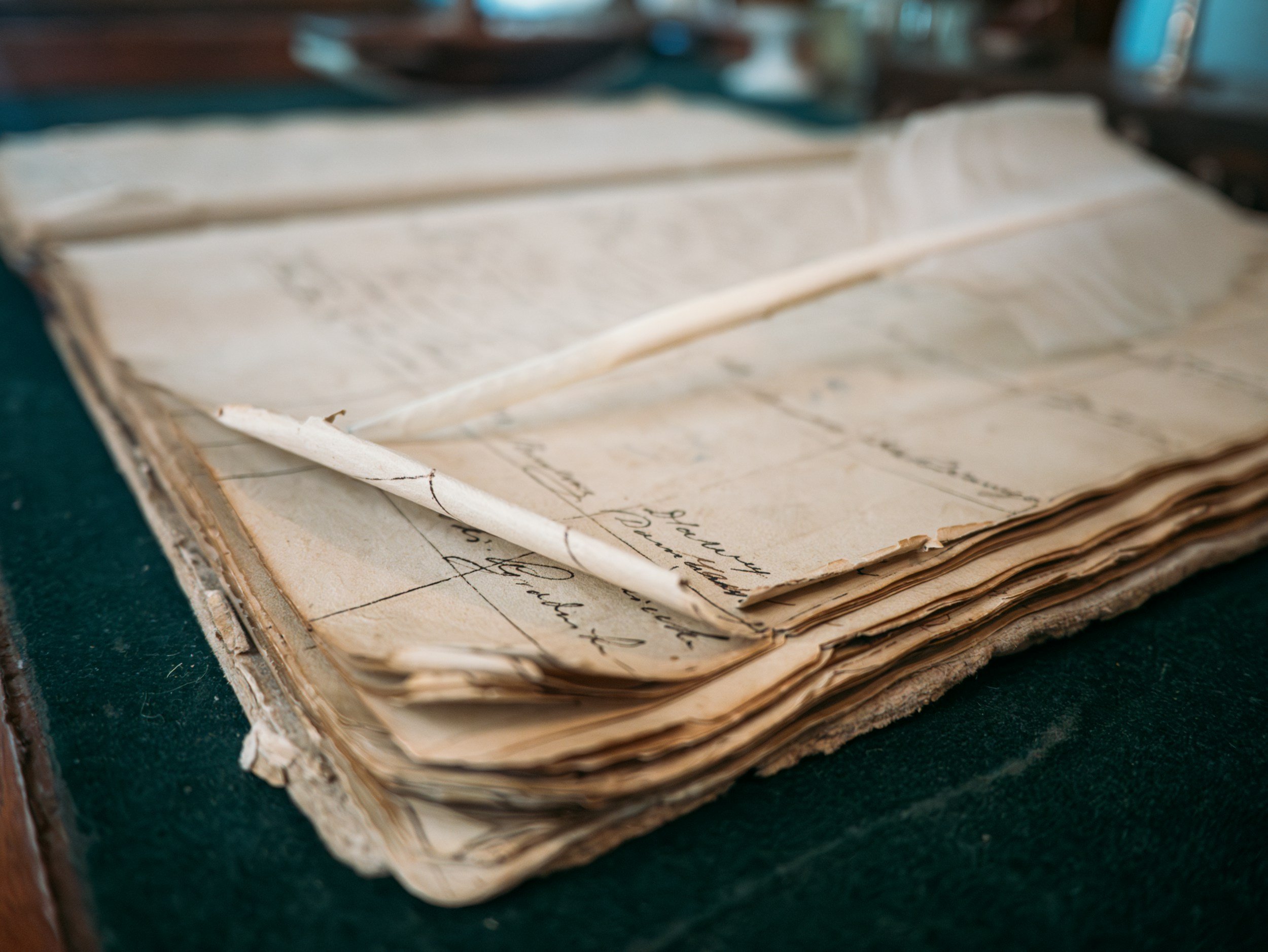
Imagine a correspondent researching a bell sent from an American foundry to a town overseas. In an archive box, a handwritten shipping ledger gives the bell’s destination, weight and an entry that might read seventeen or seventy. A modern catalog summary supplies a neat figure. The editor wants to quote the line as evidence of what the foundry charged.
Before interpreting the figure, establish which column it belongs to, what the writer actually put on the page and how confidently anyone can read it. A good newsroom transcription preserves enough of the document’s structure for another reader to challenge the first reading. Some of its most valuable marks will be the ones that admit uncertainty.
Give each page an address
Record the repository, collection name, series, box, folder, item identifier and page or image number, using whatever identifiers the archive supplies. If the manuscript is unnumbered, make a working description such as the reverse of the sheet following the March invoice. Mark such descriptions as your own. An editor should be able to request the same object without relying on a photograph of a single word.
Look at the whole opening of the ledger and the pages immediately before and after it. Column headings might appear only at the start of a section. A raised mark beneath a place name could repeat the entry above. A number in a narrow space could belong to a balance carried forward rather than the item on its own line.
If the archive permits photography, capture the full opening, then closer views that overlap enough to preserve the row boundaries. Keep the original images intact. Work on a copy for enlarging or adjusting contrast and retain the unadjusted image alongside it. A darkened shadow can turn a faint pen stroke into what looks like a decisive second digit.
Make the first reading literal
Transcribe a manageable passage before jumping to the word the story needs. Copy the writer’s spelling, digits, punctuation and abbreviations as they appear. If the foundry used an unfamiliar abbreviation for a unit, copy it before researching a possible expansion. The National Archives advises its transcription volunteers to preserve even apparent misspellings and compare unclear forms with letters elsewhere in the same handwriting.
Preserve row and column relationships in a ledger. Give the columns plain labels from the document and mark any label you supplied yourself. For a letter, retain line references where they will help an editor revisit a doubtful word. A literal working copy can be more elaborate than a catalog transcription designed principally to help people search for text.
Separate later additions from the first hand where the visual evidence allows. A pencil annotation in the margin might have been added decades later or by the original clerk that afternoon. Record its location and appearance. An assertion about who added it or when requires additional evidence, even if the handwriting looks familiar.
Give a doubtful word an explicit mark
Choose simple conventions for the desk and explain them at the top of the transcript. You might use [illegible] for an unreadable word and put possible readings in a separate note keyed to a line. Indicate missing material at a torn edge differently from visible writing you cannot decipher. The first situation might require a better copy. The second might yield to another reader.
Conventions vary by project. The Smithsonian Transcription Center provides distinct instructions for uncertain guesses and truly illegible text. If contributing to an archive, use that project’s own marks. For a private newsroom transcript, the important thing is that an editor can tell exactly which characters are the writer’s and which marks the correspondent added.
Examine other numbers written by the same hand. In the bell ledger, find a clear seven, a clear zero and endings of other written amounts. Compare stroke direction, spacing and how the pen meets the line. A matching letter shape supports a possible reading. A number that happens to fit the story’s expected price offers much weaker support.
Ask a second reader the right question
Send a colleague the complete page and a close view with its location marked. Ask for an independent transcription of the entire row before sharing your proposed number. Supplying two alternatives at the outset can keep a reader from noticing a third, such as a ditto mark followed by a figure in the next column.
Compare readings and document the reason for any change. A second copy of the invoice, a receipt or another ledger may establish what the customer paid. It may even establish that the shipping clerk made an error. Preserve the original marks in the transcript and explain the relationship between the records separately. A correction to history and a correction to transcription are different editorial decisions.
A caption can preserve a stubborn ambiguity economically. Describe the document as a record of shipment and give the verified destination, reserving the competing readings of the charge for the editor’s source note.
For a foreign-language document, settle the reading in the original language before choosing an English equivalent. Give the translator an image as well as the text and flag unresolved characters. A translation that narrows an ambiguous trade term can create certainty that the foundry clerk never expressed. Preserve alternatives that materially affect the account of the transaction.
Decide which words can bear quotation marks
Read the proposed quotation against the image one final time. Avoid quoting a figure whose meaning still depends on a disputed letter, column or currency. If only the recipient and route are legible, the document may still establish where the bell was consigned. The price can remain out of the story or be reported from a separately identified receipt.
Send the editor the full-page reference, checked transcript, key to marks, unresolved readings and a note on any modernization or translation in the article. Name the person who checked the hand where that credit is appropriate and agreed. A reader can then trace a published sentence back to the actual line. The foundry ledger keeps its authority precisely where the evidence on the page permits it.
