
How Early Can You Place That Pumpkin Photograph?
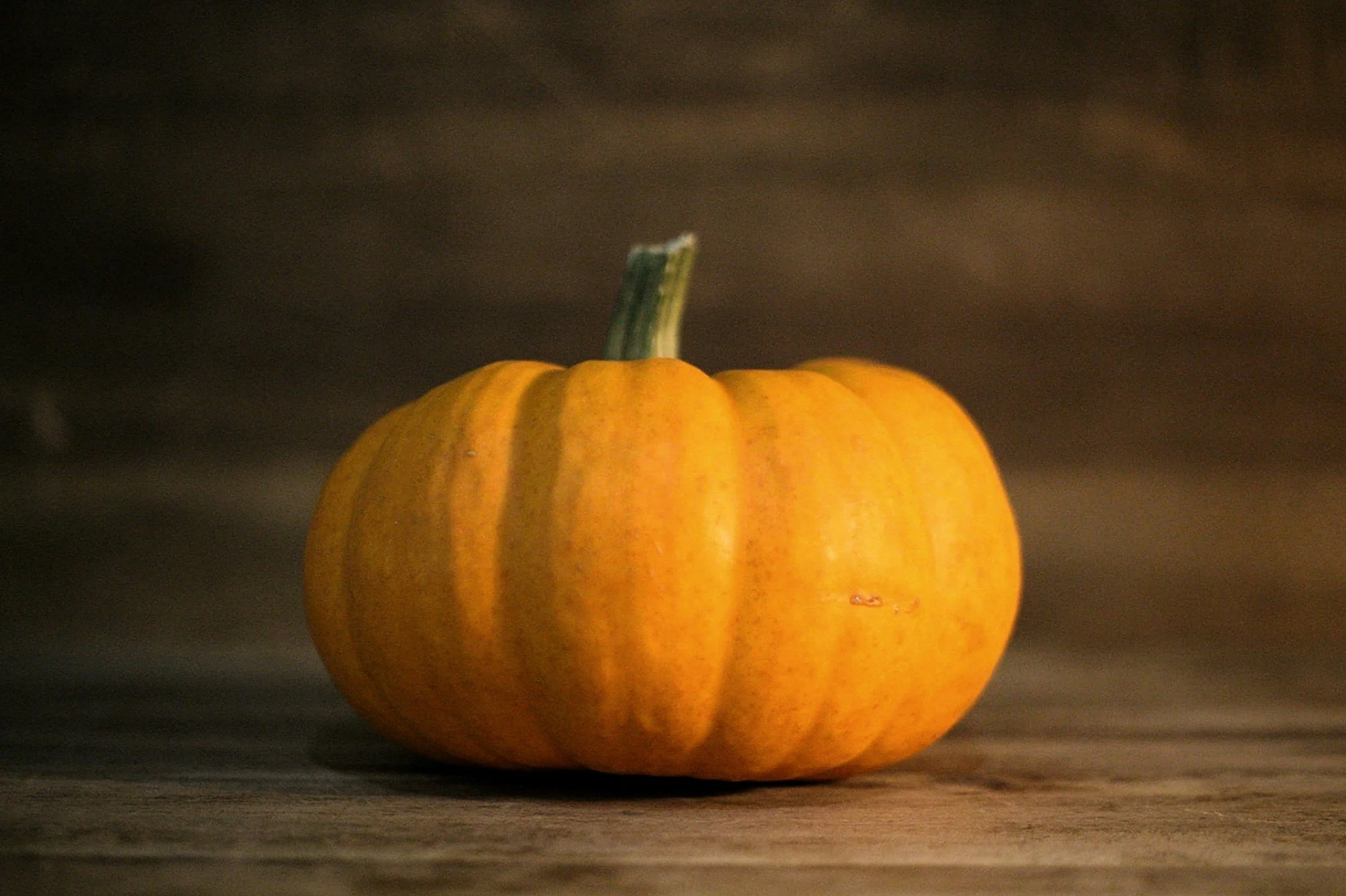
A photograph of an enormous pumpkin on a wooden scale starts circulating during an American harvest festival. Imagine that a foreign editor is considering it for a weekend story. Several posts call it this year’s prize entry, one attributes it to the festival and another carries a photographer’s initials. They all use nearly the same orange square.
The assignment is to find the earliest publication of this particular photograph that the newsroom can substantiate. That is a narrower, more answerable question than who first put it on the internet. It also leaves two questions to investigate separately before publication. Who made the image, and does the available evidence connect it to this year’s competition?
Describe the version on your desk
Preserve the incoming post, its address, account name, displayed date and surrounding caption. Ask the person who sent the picture where they obtained it and whether they have a larger file. Keep the supplied file unaltered. If it arrived as a screenshot, record which lettering belongs to the platform and which marks are visible on the picture itself.
Note details that allow you to recognize the same exposure. A notch in the scale, the angle of a stem and a knot in a particular plank can distinguish this frame from another photograph taken seconds later. The aim is to identify the picture through crops and overlays. Another giant pumpkin in the same setting is evidence of a similar scene.
Create a working copy for searches. Try the full image first, then a crop removing the border and social text while preserving distinctive parts of the scene. An account may have added a logo over an earlier credit. Capture that mark before cropping it away, since it could provide a lead even if it interferes with image matching.
Treat search results as leads to publications
Run the image through more than one reverse-image search service. Look at exact or near matches and inspect the larger versions they return. Google’s image information can provide context on other pages using related imagery. TinEye lets users explore copies it has encountered. Neither search can tell you what happened on a print page or on a website it never indexed.
Follow a promising result to the publication that hosts it. Save the page title, image placement, caption, credit and date associated with that specific item. A site’s copyright year might appear on every page. A dated article can acquire a new illustration during a redesign. Find evidence that this photograph appeared with that story at the time you intend to cite.
TinEye explains that its first-found date records when its crawler encountered the image. A page could have published it earlier. If the service found a copy in June and the page shows a March date, keep both dates and their meanings. Try an archive snapshot for March or ask the publication whether its original layout survives.
Check the date inside the file
Inspect a copy of the best available file for embedded creator, credit, description and date fields. Preserve the original field names. The IPTC Photo Metadata Standard distinguishes the creation of image content from creation of its digital representation. A print photographed or scanned in a later year can acquire several entirely sensible dates.
Read the credit in context. It could name a photographer, an agency supplying a file or the organization that distributed a press image. Contact the person or picture desk identified and describe the exact frame. Ask when they obtained it, from whom, and where they know it appeared. Request supporting material such as an original assignment folder or dated tear sheet.
Metadata can be changed, lost or copied forward. A blank field carries little information about the photographer’s intentions. A complete field gives you a named claim to check, rather than independent confirmation of everything it contains. Keep the file’s last-saved time separate from the dates the newsroom can verify for capture and publication.
Establish that an early copy really appeared
Suppose a county fair’s archived newsletter contains a different crop of the same exposure. Open the complete issue and check its masthead, volume, date and page number. Verify that the distinctive notch, plank and stem line up. If a library holds the physical issue, ask it to confirm the photograph appears in the dated print copy.
Build a brief chronology using the evidence behind each entry. A photographed print issue is one kind of support. An archived web page that actually displays the matching image is another. An old article whose image link currently points to a replacement file is weaker. Check that archived images were captured with the page, especially when the archive displays a different capture date for an illustration.
Ask the festival whether it recognizes the image and how its present account obtained the file. A current social editor may have reused a photograph kept in an undated folder. Give the organization the competing evidence and a chance to explain. Its answer can clarify how this year’s caption arose even if the identity of the original photographer remains open.
Give the photo desk a bounded conclusion
State the earliest appearance the newsroom verified, naming the publication, date and edition or saved page. Explain how the link to the incoming image was established. The existence of an older copy can rule out a claim that the photograph was taken at this year’s festival. It cannot establish that the early publisher took the picture, won the competition or was the first to publish anywhere.
Give the picture editor a separate rights contact and a record of what that person can authorize. Permission to inspect an archived copy and permission to publish it are separate matters.
If the searches produce no match, report the limits to the editor and return to the supplier. Ask for a less compressed file or a direct introduction to the photographer. A photo desk may decide to commission a fresh image of the prize entry. Preserve the earlier search log, including unresolved rights and attribution, so a new lead can be tested against the best evidence already in hand.
TinEye, What Does “First Found On” Mean?
Google Search Help, Learn More About an Image
International Press Telecommunications Council, Photo Metadata Standard
