
Food Prices, Supply Chains, and Everyday Consumption in the United States
Food prices in the United States remain a persistent source of concern for households in 2026. While dramatic shortages are rare, the cost, availability, and consistency of food have become less predictable. For foreign correspondents, understanding how food reaches American tables offers insight into supply chains, labor markets, consumer behavior, and economic resilience beyond headline inflation figures.
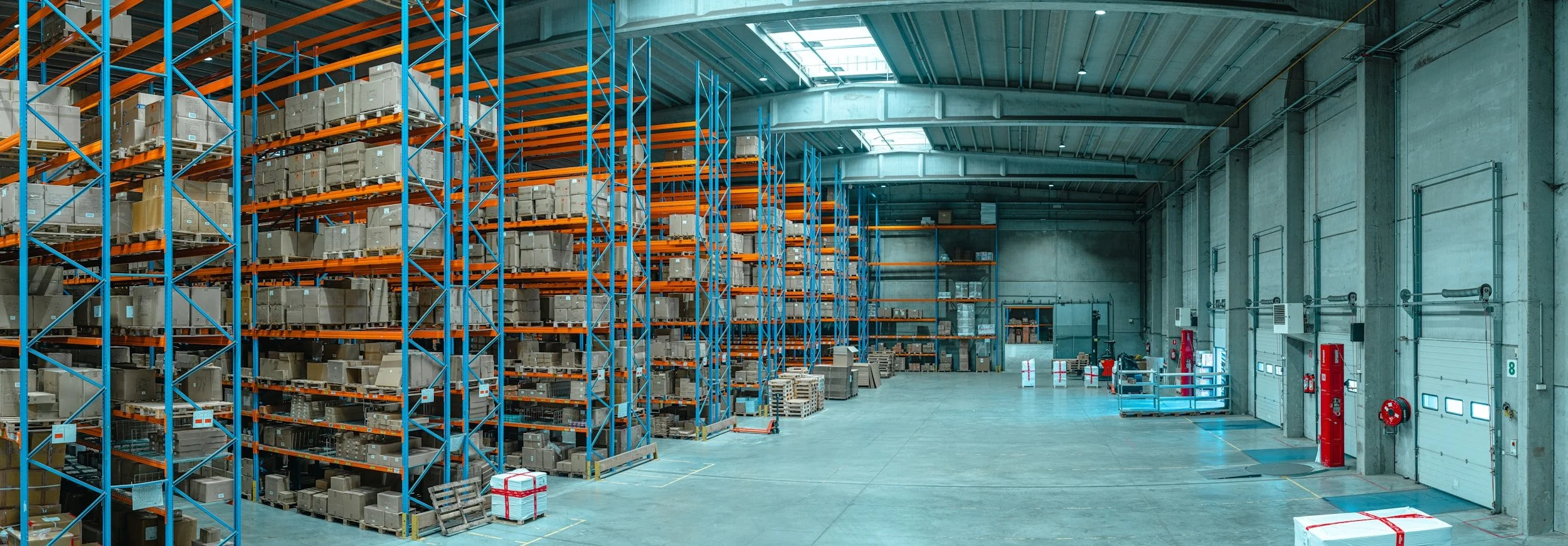
The U.S. food system is highly complex and geographically dispersed. Agricultural production, processing, transportation, warehousing, and retail operate as interconnected layers. Disruption at any point can affect prices and availability far from the original source. Weather events, labor shortages, fuel costs, and equipment failures all play a role in shaping outcomes that consumers experience at the grocery store.
Food prices fluctuate unevenly. While some staple items stabilize, others remain volatile due to supply constraints or higher production costs. Fresh produce, meat, dairy, and processed foods each face different pressures. Foreign correspondents should avoid treating “food inflation” as a single phenomenon and instead examine category-specific trends.
Labor is a critical factor across the food system. Farm workers, processing plant employees, truck drivers, warehouse staff, and retail workers all influence how efficiently food moves. Staffing shortages or turnover can slow production and distribution, leading to gaps on shelves or higher prices. These labor dynamics are often invisible to consumers but central to understanding cost pressures.
Transportation costs also shape food pricing. The United States relies heavily on long-distance trucking to move goods. Fuel prices, vehicle maintenance, and driver availability affect delivery schedules and pricing structures. Disruptions in logistics ripple outward, sometimes resulting in localized shortages even when national supply is adequate.
Climate-related impacts increasingly influence food production. Droughts, floods, heat waves, and unpredictable growing seasons affect crop yields and livestock health. These effects are not always immediate. Poor harvests can influence prices months later, complicating public perception of cause and effect. Reporting that traces food prices back to environmental conditions adds valuable context.
Processing capacity is another vulnerability. Meatpacking plants, grain processors, and food manufacturers operate at high efficiency but limited redundancy. When facilities close temporarily due to equipment failure, safety concerns, or labor issues, supply tightens quickly. This concentration increases efficiency but reduces resilience.
Retail practices shape consumer experience directly. Large supermarket chains use sophisticated pricing strategies, promotions, and data analytics to manage margins. Shoppers may encounter fluctuating prices, reduced package sizes, or changes in product availability. These adjustments reflect cost pressures without always being labeled as price increases.
Consumer behavior has adapted accordingly. Many households change shopping habits, seek discounts, switch brands, or reduce food waste. Private-label products gain popularity during periods of price sensitivity. Foreign correspondents can observe these shifts as indicators of economic adjustment rather than crisis.
Food insecurity remains a significant issue despite overall abundance. Rising costs strain low-income households, particularly those with fixed incomes. Food banks and assistance programs report sustained demand even when supply chains stabilize. This contrast between abundance and access is a defining feature of the U.S. food system.
Restaurants offer another perspective on food dynamics. Rising ingredient costs, labor expenses, and rent pressure affect pricing and menus. Many establishments adjust portion sizes, reduce operating hours, or simplify offerings. These changes influence dining culture and employment patterns in ways that extend beyond hospitality.
Regulation and standards also play a role, though often indirectly. Food safety requirements, labeling rules, and transportation regulations shape costs and operations. Changes in enforcement or compliance costs may affect pricing without public awareness.
Foreign correspondents should be cautious about attributing food price changes to a single cause. Supply chains are adaptive but fragile, responding to multiple pressures simultaneously. Effective reporting highlights interaction rather than isolation.
The U.S. food system also illustrates regional diversity. Local sourcing, farmers’ markets, and community-supported agriculture coexist with national chains. These alternatives provide resilience for some communities while remaining inaccessible to others. Coverage that contrasts regional approaches helps international audiences understand variability.
Food consumption is deeply cultural as well as economic. Changes in pricing influence diet choices, health outcomes, and social behavior. Increased reliance on cheaper, processed foods may have long-term health implications that extend beyond immediate cost concerns.
For foreign correspondents, food reporting provides a grounded way to explain economic pressure without abstraction. Grocery receipts, restaurant menus, and household routines offer tangible evidence of broader trends.
Ultimately, food prices and supply chains reveal how global forces intersect with local realities. They show how climate, labor, transportation, and consumption patterns converge in everyday decisions. By focusing on these connections, journalists can explain American life through one of its most universal experiences: eating.
Understanding how food systems function under pressure allows foreign correspondents to report with nuance and relevance. It highlights resilience as well as vulnerability, adaptation as well as constraint. In doing so, it helps international audiences grasp how economic and logistical change is felt not in statistics, but at the dinner table.