Covering Natural Disasters and Emergency Response in the United States
For international correspondents reporting from the United States, natural disasters present some of the most demanding reporting conditions. Hurricanes, wildfires, floods, extreme weather events, industrial accidents, and public emergencies generate rapid news cycles, emotional imagery, and urgent demand for information. While these events are highly visible, they are also easy to misinterpret without understanding how emergency response functions in the United States.
One of the first challenges is scale. The geographic size of the United States means that disasters often affect large areas with diverse jurisdictions. A single event may involve federal agencies, state authorities, county governments, city officials, and private responders simultaneously. Foreign correspondents who assume centralized control risk misunderstanding who is responsible for what and why responses vary.
Emergency management in the United States is decentralized by design. Local authorities are typically the first responders, supported by state resources, with federal involvement activated under specific conditions. This layered structure can appear chaotic to outside observers, especially when coordination problems arise. Explaining this structure helps audiences understand delays, overlaps, and differences in response.
Timing is critical in disaster coverage. Early information is often incomplete or inaccurate. Damage assessments evolve, casualty figures change, and access to affected areas may be restricted. Reporting preliminary figures as definitive can undermine credibility. Foreign correspondents should communicate uncertainty clearly and update information as situations develop.
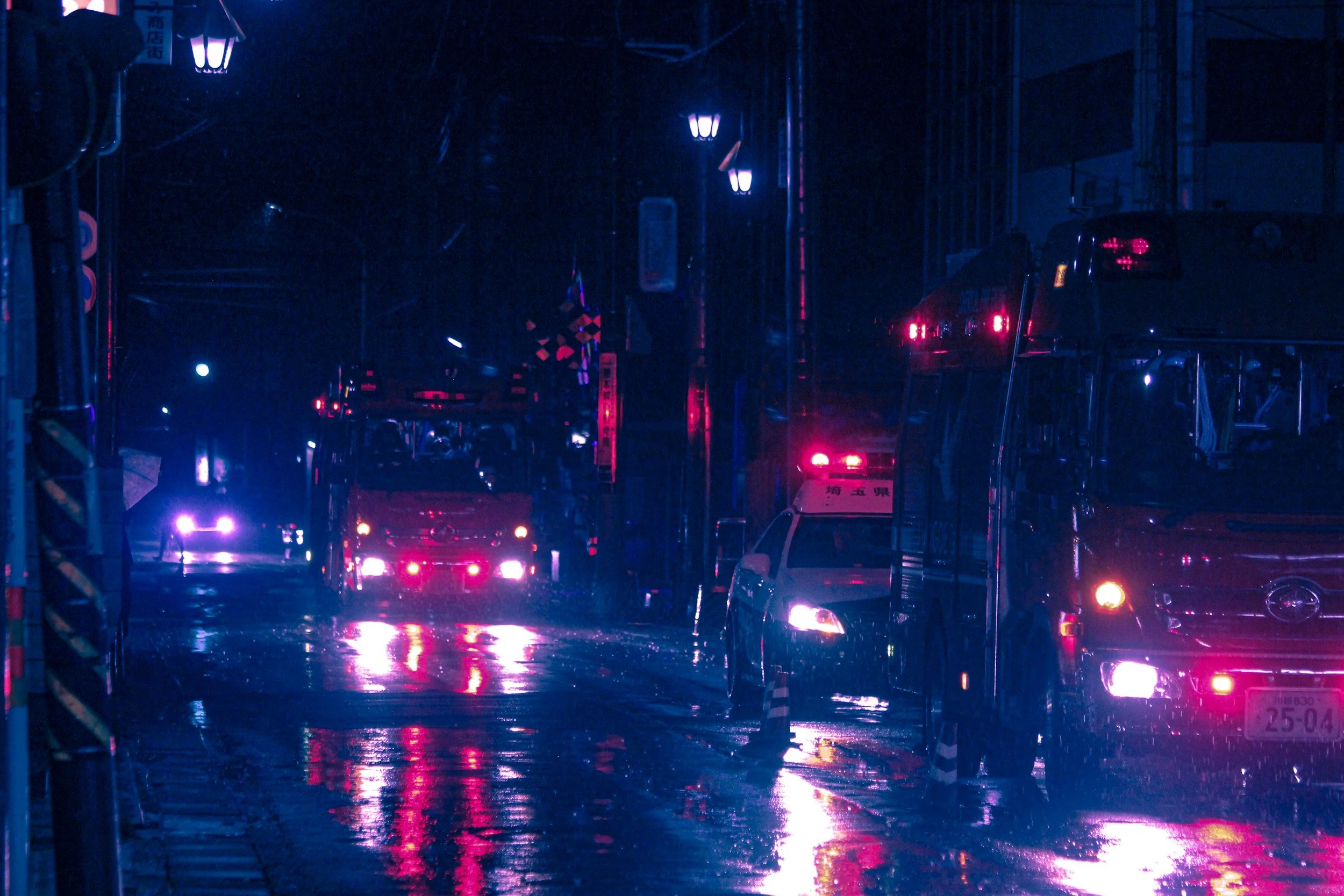
Visual imagery plays a powerful role in disaster reporting. Dramatic footage and photographs convey urgency but can also distort perception. A single neighborhood may appear representative of an entire region when it is not. Contextualizing visuals with geographic and demographic information prevents exaggeration.
Human stories are central to disaster coverage, yet they require sensitivity. Survivors may be experiencing trauma, loss, or displacement. Ethical reporting avoids sensationalism and respects dignity. Consent, privacy, and timing matter, particularly when interviewing individuals in distress.
Foreign correspondents should also be cautious about framing disasters as sudden or inexplicable. Many emergencies unfold within known risk patterns related to geography, infrastructure, and preparedness. Explaining these factors provides depth without assigning blame or politicizing events.
Infrastructure plays a significant role in shaping outcomes. Power grids, transportation systems, water management, and communication networks influence both damage and recovery. Reporting that highlights infrastructure context helps audiences understand why impacts differ across regions.
Emergency communication systems are another key area. Authorities use press briefings, alerts, and official statements to disseminate information. These communications are often cautious and procedural, reflecting legal and operational constraints. Journalists should recognize that limited information early on is often intentional rather than evasive.
Coordination between agencies can be uneven. Different institutions operate under distinct mandates and timelines. Reporting that assumes unified command may misinterpret visible inconsistencies as incompetence rather than structural complexity. Explaining institutional roles enhances clarity.
Foreign correspondents should be aware that recovery extends far beyond the initial event. Rebuilding, insurance claims, temporary housing, and long-term displacement affect communities for months or years. Following these developments provides perspective often missing from immediate coverage.
Economic impact is another important dimension. Disasters affect businesses, labor markets, and local economies. Understanding how communities recover economically adds substance beyond physical damage.
Comparative perspective can be valuable when used carefully. Comparing disaster response in the United States with responses elsewhere can illuminate differences in preparedness, infrastructure, and social support. However, such comparisons should account for scale, resources, and context to avoid oversimplification.
Misinformation spreads rapidly during emergencies. Rumors, outdated images, and unverified claims circulate widely on social media. Foreign correspondents should prioritize verification and avoid amplifying unconfirmed reports, even under deadline pressure.
Access limitations are common. Journalists may be restricted from entering affected areas for safety reasons. These restrictions can appear as censorship to international audiences. Explaining safety protocols helps maintain trust.
The role of volunteers and non-governmental organizations is significant in U.S. disaster response. Community groups, charities, and private actors often provide critical assistance. Including these perspectives broadens understanding beyond official responses.
Disasters also reveal social vulnerability. Elderly populations, low-income communities, and individuals with disabilities may face disproportionate risk. Reporting on these realities requires care and evidence, avoiding assumptions or stereotypes.
Foreign correspondents should be mindful of audience expectations. International viewers may focus on dramatic failure or exceptional resilience. Balanced reporting acknowledges both strengths and limitations of response systems.
Language choices matter. Terms such as crisis, catastrophe, or collapse carry emotional weight. Using precise language aligned with verified conditions supports accuracy.
Preparedness is an underreported aspect of disaster coverage. Planning, training, and mitigation efforts shape outcomes long before events occur. Including this context deepens understanding and avoids portraying disasters as isolated incidents.
Safety of journalists is also a concern. Covering disasters involves physical risk, emotional strain, and logistical challenges. Correspondents should prioritize personal safety and follow guidance from authorities without compromising independence.
Long-term reporting adds value. Revisiting affected areas months later reveals how communities adapt, recover, or struggle. Such follow-up counters the tendency to move on once headlines fade.
For international correspondents, disaster reporting is not about dramatization. It is about explanation. It requires patience, verification, and empathy. Understanding how emergency systems function helps journalists report responsibly under pressure.
When covered thoughtfully, disasters reveal how societies respond to stress, protect vulnerable populations, and manage uncertainty. Foreign correspondents who approach these stories with care help global audiences understand not only the event itself, but the systems and values that shape response.