Learning, Understanding, and Interpreting the 2025 Sustainable Trade Index
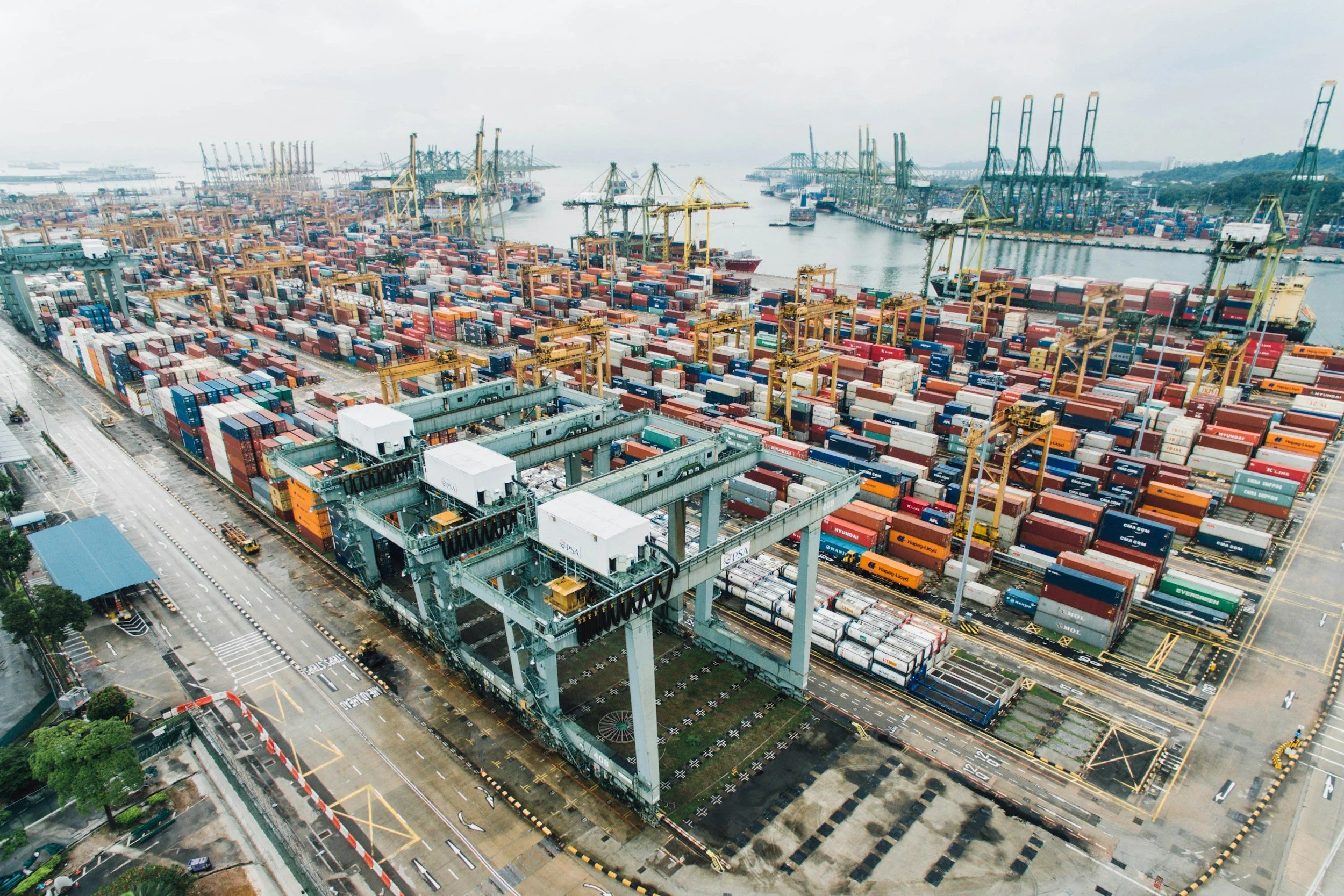
On November 24, the Association of Foreign Press Correspondents in the United States (AFPC-USA) hosted an educational program in partnership with the Hinrich Foundation on the 2025 Sustainable Trade Index.

The Sustainable Trade Index (STI), developed by the Hinrich Foundation and the IMD World Competitiveness Center, measures the capacity of 30 major economies to trade sustainably—balancing economic growth, social development, and environmental protection. The 2025 edition examines how countries perform across three main pillars:
The economic pillar, assessing innovation, trade infrastructure, and competitiveness;
The societal pillar, evaluating human capital, labor standards, and political stability;
The environmental pillar, measuring carbon intensity, pollution, and responsible resource use.
Through this educational rogram, international correspondents and journalists gained a deeper understanding of how the STI can serve as a valuable tool for analyzing global trade dynamics. Participants learned how to interpret the data behind the index, identify key trends shaping sustainable trade policy, and translate these insights into informed reporting on international economic and environmental developments.
Christos Cabolis, the Chief Economist and Head of Operations at the IMD World Competitiveness Center and Adjunct Professor of Economics and Competitiveness at IMD, discussed key findings from the STI 2025. The conversation was moderated by Entravision journalist Stephanie Ochoa, a recipient of the Professional Excellence Award from AFPC-USA.
AFPC-USA is solely responsible for the content of this educational program. Below, foreign journalists can read the takeaways from the discussion.
In his remarks, Cabolis explained that one of the first questions people ask about the Sustainable Trade Index is what “sustainable” actually means. He said the STI takes the term literally, aiming to measure “how trade can sustain itself over time” and deliver “mutual benefits” rooted in openness, adaptability, and trust. According to Cabolis, the index evaluates whether economies have built the right conditions for trade to “endure,” capturing the balance of economic growth, societal well-being, and environmental stewardship.
He noted that the STI covers 30 economies across major Asia-Pacific blocs such as Asia-Pacific Economic Cooperation (APEC), Comprehensive and Progressive Agreement for Trans-Pacific Partnership (CPTPP), and Regional Comprehensive Economic Partnership (RCEP)—countries accounting for “more than 60 percent of global GDP” and a similar share of global population. The index, he said, relies on 72 criteria across three pillars: the economic pillar (which measures openness, reduced barriers, and partner diversification); the social pillar (which examines human capital, inequality, and health resilience); and the environmental pillar (focused on resource management, emissions control, and pollution prevention).
When assessing the full rankings, Cabolis pointed out the “wide performance gaps” between economies—highlighting large disparities between the Philippines and Vietnam, Cambodia and Sri Lanka, and Bangladesh and Pakistan. He stressed that even when economies score similarly on individual measures like openness, they “follow completely different strategies,” prompting the STI team to rethink the index as more than just a scoreboard.
Cabolis argued that the old global consensus around efficiency, globalization, and multilateralism “does not work anymore.” He described an era of re-engineered supply chains and increasingly exclusive trade agreements, shaped by countries pursuing divergent strategies despite shared characteristics.
This led the team to organize the 2025 findings around three trade-offs: efficiency vs. strategic autonomy (how much efficiency economies are willing to sacrifice to gain control over critical resources); short-term profitability vs. long-term social cohesion (whether benefits from open markets can exist without eroding the social trust and equity); and climate ambition vs. development sovereignty (can global environmental goals coexist with national growth aspirations especially for developing countries).
Addressing the first trade-off in detail, Cabolis described how the pandemic and geopolitical crises broke the old “just-in-time” efficiency model, forcing economies to rethink resilience. True resilience, he said, requires “redundancy,” meaning multiple suppliers and more distributed production.
He then outlined a 2×2 matrix plotting economies by their levels of liberalization and tariffs. Open-market leaders like New Zealand, Chile, and Peru sit in the high-liberalization/low-tariff quadrant. The U.S. and Australia pursue “high liberalization but high tariffs,” while India, China, and Bangladesh maintain high tariffs with low liberalization. Russia and Sri Lanka, he added, use a strategy of “selective openness” with low tariffs but low liberalization.
Ultimately, Cabolis said the key question is no longer who tops the rankings, but what economies are “losing and gaining in the transition” from a shared global consensus to a fragmented world. Sustainable trade, he said, “is not a destination, but…a process of adaptation.”
After he concluded his initial presentation, Ochoa noted that in the matrix shown earlier, the world’s major trading powers—China, the U.S., and India—sit in the “high tariffs” category, though with varying levels of liberalization. She asked how these giants, with such divergent approaches, might reshape the strategies of smaller economies that depend heavily on external trade.
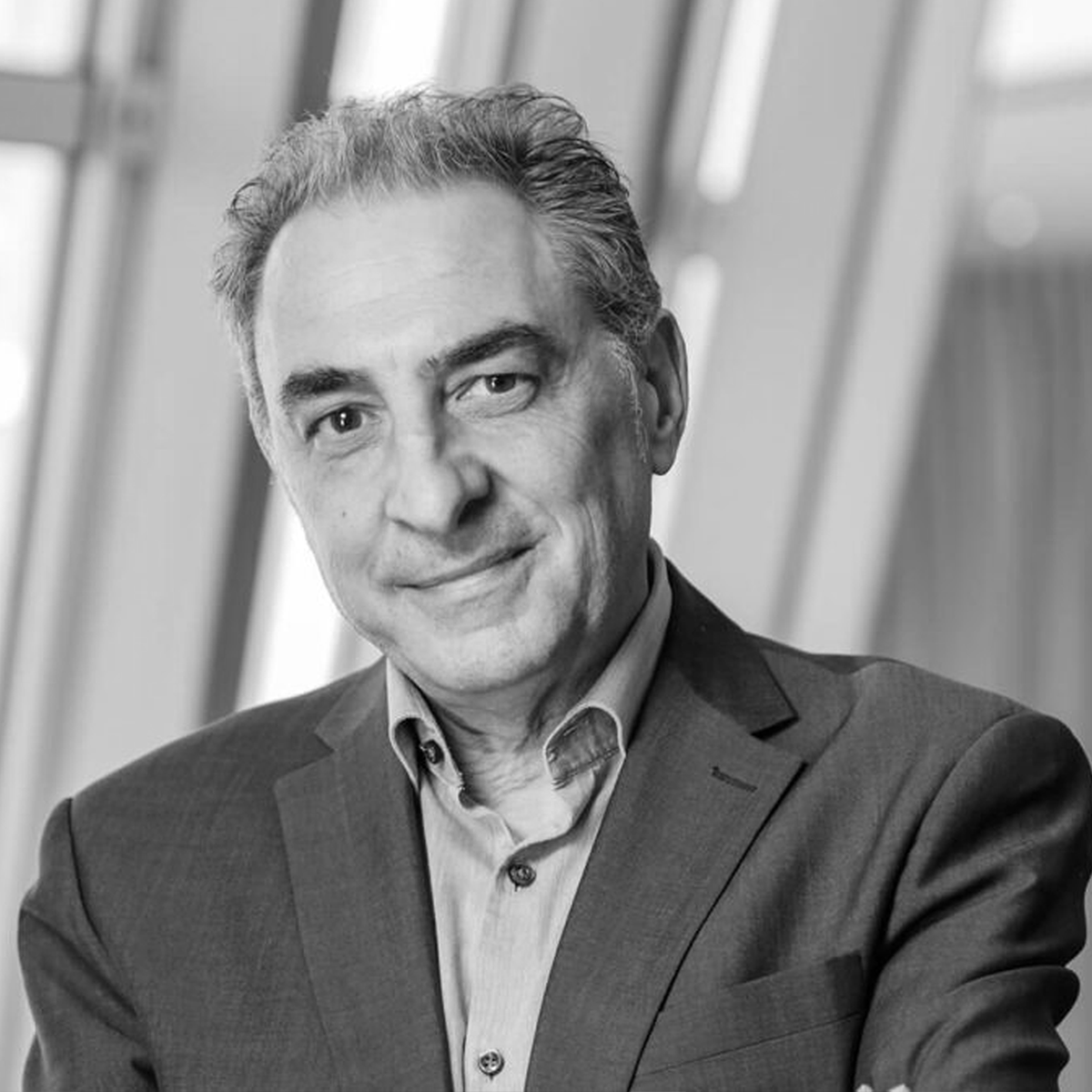
Christos Cabolis
Cabolis said the countries that will navigate this moment successfully are those that clearly define their goals and then use the three trade-offs—autonomy vs. efficiency, profitability vs. cohesion, and environmental goals vs. growth—to choose policies aligned with their “final objective.” He stressed that no country can rely on “complete autonomy” in today’s integrated system. Instead, governments must decide which sectors require protection and where they can remain open. These decisions, he said, hinge on each economy’s exposure to geopolitical risk, its institutional capacity to absorb shocks, and its level of development. In contrasting the U.S., China, and India, he noted that the U.S. as an advanced economy has institutional capacity and technology but faces deindustrialization pressures. China has achieved manufacturing dominance and is now pursuing technological sovereignty while managing middle-income trap dynamics. India is earlier in its industrialization journey with younger demographics and different institutional constraints. Each faces fundamentally different trade-offs between autonomy, growth and social cohesion based on where they sit in that development sequence.
When Ochoa asked whether the U.S. and China are widening the performance gaps seen on the STI’s first slide, Cabolis said the disparities reflect differences in development and resource endowments rather than the dominance of major powers. He described the U.S. and parts of Europe as “progressive but protected,” maintaining liberal institutions even as they raise tariffs and use industrial policy to “de-risk the supply chain.” China and India, he added, follow a “protectionist pathway,” controlling the pace of integration to support industrial upgrading. In contrast, Southeast Asian economies like Vietnam and Malaysia use mixed strategies, blending openness with “selective controls” to attract investment while hedging geopolitical uncertainty.
Ochoa then asked about his use of the term “exclusive” to describe new trade agreements, pointing to the upcoming United States-Mexico-Canada Agreement (USMCA) renegotiation. Cabolis explained that supply chains and agreements have become more exclusive because the old multilateral consensus has “broken down.” During the pandemic, he said, the world fractured along lines of medical capacity and production. That fragmentation deepened with the energy crisis following Russia’s invasion of Ukraine and long-running concerns about dependence on fossil fuels. As a result, trust-based agreements now start “with very, very few members,” reflecting a world divided into regions with differing capabilities and priorities.
In response to Ochoa’s question about which regions are “leading the move toward greater autonomy” and what forces are driving that shift, Cabolis replied that the strongest push is coming from “the United States and Europe,” as well as China. China, he noted, “always had a protective environment,” but has become even more guarded, pursuing technological sovereignty and reduced dependencies. In the West, the shift is driven primarily by “security and technological issues.” India also pursues autonomy though its motivation is industrial upgrading and development priorities. Southeast Asia, he added, follows a “hybrid model—remaining open, but hedging the risks.” Overall, he said, strategic autonomy is simply “increasing in its presence around the world.”
When Ochoa asked if we have evidence that greater autonomy actually makes countries safer, or merely more expensive, Cabolis replied that more autonomy does increase resilience—“a higher capacity to address different adversities”—but if taken too far, it fragments supply chains, raises costs, and can even hamper innovation. In other words, beyond a certain point, safety gives way to inefficiency.

Cabolis, when asked how governments determine the right level of autonomy without harming growth, reiterated that countries base those decisions on three factors: geopolitical exposure, institutional capacity, and their level of development. Advanced economies may use technology to substitute for imports, but only up to a limit. Emerging economies with urgent development needs are in a “more difficult position” and have far less room to maneuver.
Shifting to the second major trade-off (short-term profitability versus long-term social cohesion), Ochoa asked which countries balance economic gains with protecting workers and communities. Cabolis explained that social cohesion is “very, very difficult to establish” and even harder to maintain. Economies like Singapore and South Korea demonstrate that profitability and inclusion can coexist when supported by strong institutions and social investment. However, he emphasized the warning signs that appear when this balance fails: rising inequality, eroding labor standards, decreasing mobility, and in some places even evidence of “forced labor engagement.” These trends, he said, “erode the trust of the society” in the benefits of trade. Once that trust breaks, “it is very, very difficult to reverse.”
Ochoa then asked how governments can avoid the mistake of chasing fast economic gains at the expense of long-term stability. Cabolis said the answer lies in sustained investment in education, healthcare, labor standards, and mobility, backed by strong institutions capable of maintaining those commitments. He underscored that trade legitimacy itself is not automatic, “even in big economies like the United States.” It must be visible and convincing, and it must answer the basic political question: Who actually gains from these trade relationships? If portions of society “do not see their lives becoming better,” he warned, they will simply stop believing that trade benefits them at all.
In response to Ochoa’s question about what early warning signs suggest that a country’s trade strategy is starting to “create social tension,” Cabolis said the clearest red flag is “rising economic inequality,” pointing specifically to the Gini coefficient as a key signal. He added that “stagnant social mobility” (when people no longer see movement from one generation to the next) is another indicator. He also cited “forced labor or informality in the labor relations,” weak labor-standards enforcement, and uneven economic development within a country. When these trends appear alongside “declining political stability,” he said, they’re signs of economies that are “struggling.”
When Ochoa shifted to the question of which social investments yield the strongest long-term payoff, Cabolis emphasized that countries often know what is required (education, for example) but the challenge is that the returns emerge “many years later.” These investments demand “patience,” “focus,” and broad stakeholder support.
Turning to the trade-off between climate ambition and development, Ochoa asked why some developing economies view climate rules from richer countries as a form of “green protectionism.” Cabolis called it a major global debate. The core dilemma, he said, is whether an economy can take on the “higher cost” of meeting environmental goals at the same time it is trying to grow, reduce poverty, and upgrade its industries. He stressed that the answer is “not binary” and depends heavily on each country’s characteristics.
He pointed out that countries with similar renewable energy profiles can nonetheless have opposite environmental footprints. Some nations exhibit both a “high ecological footprint and high renewables,” while others (“the sustainable starters”) have low ecological footprints but high renewable potential. He mentioned countries such as Laos, Cambodia, Pakistan, and Papua New Guinea as examples that are “very promising,” provided they avoid “replicating the fossil-fuel growth path.”
When Ochoa asked how advanced economies can push for stronger climate action “without blocking the development paths” of poorer countries, Cabolis argued that the green transition must be aligned with development goals. Policies should “build capabilities, not impose burdens.” He cautioned that wealthy countries cannot ask developing nations to avoid a path “they themselves have surpassed and emitted through in the past,” while expecting them to adopt expensive new standards without support.
When Ochoa asked which parts of the STI reveal which economies are “leading on climate-friendly trade” and which are struggling, Cabolis said that New Zealand and Chile exemplify economies undergoing a “high green industrial transition.” They have both high renewables and a high ecological footprint, which means their challenge is aligning resource use—land use, agricultural practices, water management, and consumption patterns—with sustainability goals.
He contrasted them with “high-impact economies” such as Japan, Malaysia, and the United States, which have low renewables but high ecological footprints. Despite being “technologically advanced,” these countries “lag in the transition of their energy systems,” a gap he said must be addressed.
Turning to tariffs, Ochoa noted a “very interesting” section of the index that looks at tariff impacts and asked how rising tariffs—especially between major powers—are changing how countries think about sustainable trade. Cabolis said tariffs act as a form of taxation on the local economy, which can “negatively affect the path to sustainability.” One exception, he explained, is when tariffs target “highly polluted” goods, citing Europe’s carbon border adjustment mechanism, which raises the price of “brown products” with the hope of pushing industries toward greener technologies.
When she asked whether tariffs are slowing progress or pushing countries to seek “new partners and new models,” Cabolis replied, “Actually, they do both.” Tariffs are raising costs, fragmenting efficient supply chains, and reducing resources available for green investment. Simultaneously, tariffs are driving economies to seek new markets and new partnerships. He connected this shift to a rise in exclusive trade agreements—smaller, more aligned groups of countries coordinating around free-trade principles and non-tariff barriers.
The conversation then moved to China’s expanding influence. Ochoa described China as a “big player” whose expanding trade, investment, and infrastructure footprint is reshaping the global system. Cabolis said China is stepping into a “void in terms of leadership” left by the United States, which has “taken a step back” from its decades-long leadership role. China has been building “critical strategic agreements with Africa, with Canada, with the European Union,” though progress is complicated by concerns over “safety,” technology, and control of sensitive systems. Even with those challenges, he said, China is actively positioning itself in that space.
When asked what China’s “growing footprint” means for countries trying to juggle openness, competitiveness, and autonomy, Cabolis said much depends on each economy’s “resourcefulness” and exposure to geopolitical risk. He pointed out that U.S.–China tensions created unexpected winners: Vietnam and Malaysia saw trade surge simply because “a lot of the goods traded from China were going through Vietnam,” and similar patterns benefited Malaysia as geopolitical dynamics shifted.
He added that different governments are trying to “set the pace that they feel will benefit them.” India, for example, is working hard to stay neutral—“not to take any side”—a strategy that carries a “particular cost” but maintains strategic distance. Meanwhile, traditional U.S. partners like Europe and Canada are reassessing their relationships, which are less central than they once were, prompting them to seek new trading partners.
When Ochoa asked whether he feels optimistic about the global trading system’s evolution, Cabolis offered a guarded but hopeful outlook. “Every crisis results in some costs,” he said, sometimes “tremendous costs,” but crises also create opportunities to move forward. He suggested that the trade-offs highlighted in the index help countries clarify their “mission” and “vision,” making it easier to pursue that path with focus.
He also argued that the decline of confidence in multilateral trade deals may not be entirely negative. Many countries now see large-scale agreements as “zero sum games.” Smaller, more exclusive agreements—those with “fewer members, fewer countries that align”—may actually help rebuild trust. Because trade depends on trust—“trust the process… trust the partners… trust that the results… benefit the majority of the population”—these leaner agreements could serve as a foundation for healthier cooperation.