Washington, DC Museums as a Window Into American Power, Memory, and Identity
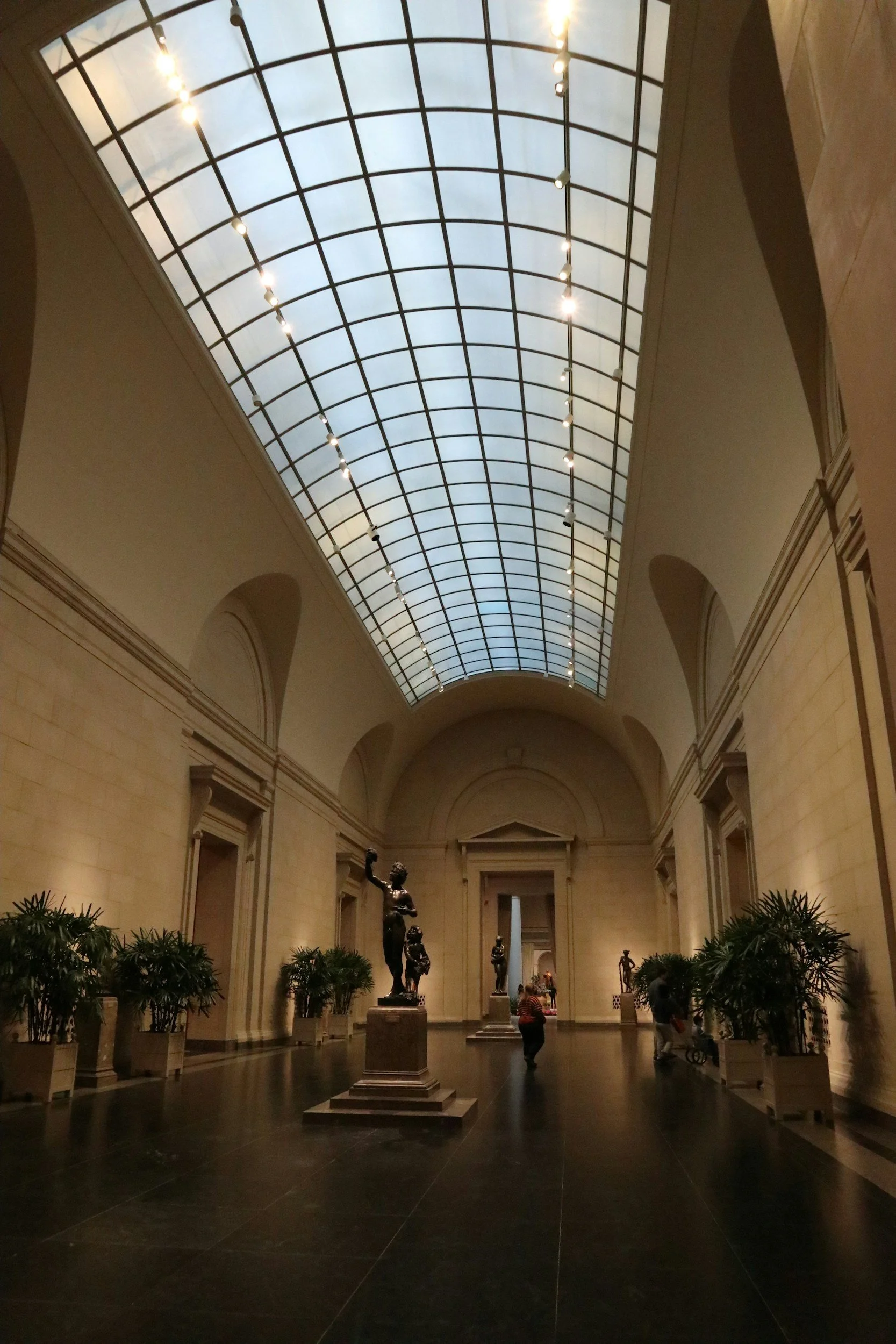
Washington, DC is often described as a city of monuments and power, but it is equally a city of museums. For international correspondents, these institutions are far more than tourist destinations. They are curated spaces where the United States tells stories about itself, negotiates its past, and projects values to both domestic and global audiences. Understanding Washington’s museums is essential for journalists seeking deeper insight into American identity, political culture, and historical memory.
Unlike many global capitals, Washington’s museum landscape is dominated by publicly accessible institutions, most notably the network operated by the Smithsonian Institution. Founded in the 19th century and funded largely by the federal government, the Smithsonian describes itself as holding collections “for the increase and diffusion of knowledge.” In practice, it functions as a soft-power engine, shaping how the United States presents its history, science, and culture to the world.
The fact that most Smithsonian museums offer free admission is not incidental. It reflects a democratic ideal that knowledge and national history should be accessible to all. For international correspondents, this model contrasts sharply with museum systems elsewhere and reveals something fundamental about how the U.S. frames public education, inclusion, and cultural authority.
Museums in Washington are also deeply political, even when they present themselves as neutral. Decisions about what to include, what to omit, and how to frame exhibits are shaped by contemporary debates. The National Museum of American History, for example, has repeatedly revised exhibits to reflect evolving understandings of race, labor, gender, and national conflict. These changes often mirror broader political and cultural shifts rather than settling historical questions once and for all.
For foreign correspondents, museums can be invaluable reporting tools. They provide institutional narratives that reveal how the U.S. government and cultural elites want history to be understood at a given moment. Exhibits related to slavery, Indigenous peoples, immigration, and civil rights offer insight into unresolved national tensions and ongoing efforts to reinterpret the past.
One of the most significant developments in recent decades has been the opening of the National Museum of African American History and Culture. Its location on the National Mall is itself a political statement, placing African American history at the physical and symbolic center of the nation. For international correspondents, the museum illustrates how historical recognition often follows long political struggle rather than spontaneous consensus.
The museum’s popularity also reveals something about contemporary America. Its exhibits address slavery, segregation, cultural achievement, and systemic inequality in a way that challenges simplified narratives of progress. Journalists covering race relations, policing, or voting rights in the U.S. gain important context by understanding how these themes are presented institutionally.
Another essential stop for foreign correspondents is the National Museum of the American Indian. Unlike older ethnographic museums, it emphasizes Indigenous voices and sovereignty rather than colonial interpretation. This shift reflects broader changes in how the U.S. addresses its relationship with Native nations, though tensions between symbolism and policy remain unresolved.
Washington’s museums also play a role in shaping foreign policy narratives. The National Air and Space Museum, one of the most visited museums in the world, presents a story of technological achievement closely tied to military power, Cold War rivalry, and space competition. For international audiences, these exhibits often reinforce perceptions of American innovation and strategic dominance.
Military history is a recurring theme across Washington museums. Institutions such as the National Museum of the United States Navy and memorial museums connected to World War II and the Vietnam War frame conflict through lenses of sacrifice, leadership, and national purpose. These narratives are carefully constructed and sometimes contested, particularly when they intersect with unresolved debates about interventionism and global responsibility.
For foreign correspondents, it is important to recognize what is less visible. Museums often understate or fragment the consequences of U.S. foreign policy abroad, focusing instead on domestic experience and heroism. Understanding these omissions is as important as analyzing what is displayed.
Science and natural history museums also play a political role, especially in an era of climate debate. The National Museum of Natural History presents climate change as a scientific fact, reflecting the position of federal scientific institutions even when political leadership is divided. This creates an interesting contrast between cultural messaging and policy action.
Private museums in Washington add further complexity. The United States Holocaust Memorial Museum, while federally chartered, operates with a degree of independence and carries an explicit moral mission. It functions not only as a historical institution but as a warning about authoritarianism, mass violence, and the erosion of democratic norms. Foreign correspondents often find parallels between its exhibits and contemporary global developments.
Museums also respond to political pressure. Exhibits are occasionally delayed, revised, or challenged by lawmakers and advocacy groups. These controversies provide insight into current cultural battles and can themselves become news stories. For international journalists, tracking museum debates can be an indirect way of monitoring ideological tensions within American society.
Access matters as well. Washington museums are places where journalists can observe how Americans engage with their own history. School groups, veterans, activists, and tourists all interact with exhibits differently. These interactions offer qualitative insights that complement official statements and polling data.
Museums also serve diplomatic functions. Foreign leaders and delegations are frequently taken to major museums as part of official visits. These curated experiences are designed to communicate values, achievements, and continuity. Understanding this soft-power function helps correspondents interpret the symbolism of such visits.
It is also worth noting that museums evolve slowly. Changes in exhibits often lag behind academic research and political change. This lag can reveal institutional caution or resistance, particularly on contentious issues. For foreign correspondents, museums should be seen as negotiated spaces rather than definitive authorities.
Ultimately, Washington’s museums offer international journalists a structured lens through which to examine American self-perception. They reveal aspirations, anxieties, and unresolved contradictions. They show how the United States wants to be remembered and how it struggles with parts of its past that resist simple narratives.
For foreign correspondents based in Washington, museums are not peripheral. They are reporting resources, cultural texts, and political signals. Spending time in them deepens understanding of the country beyond daily headlines and official briefings.
In a city where power is often opaque and language carefully managed, museums speak through objects, stories, and silences. Learning to read those signals is part of covering the United States with depth and credibility.