
What a Family Photograph Does on an Ofrenda
In a family album, a photograph can wait years for someone to open the page. On an ofrenda for Día de los Muertos, the photograph has been sought out and given a place among offerings. That change of setting matters. A picture kept as a record has become part of an act of welcome and remembrance.
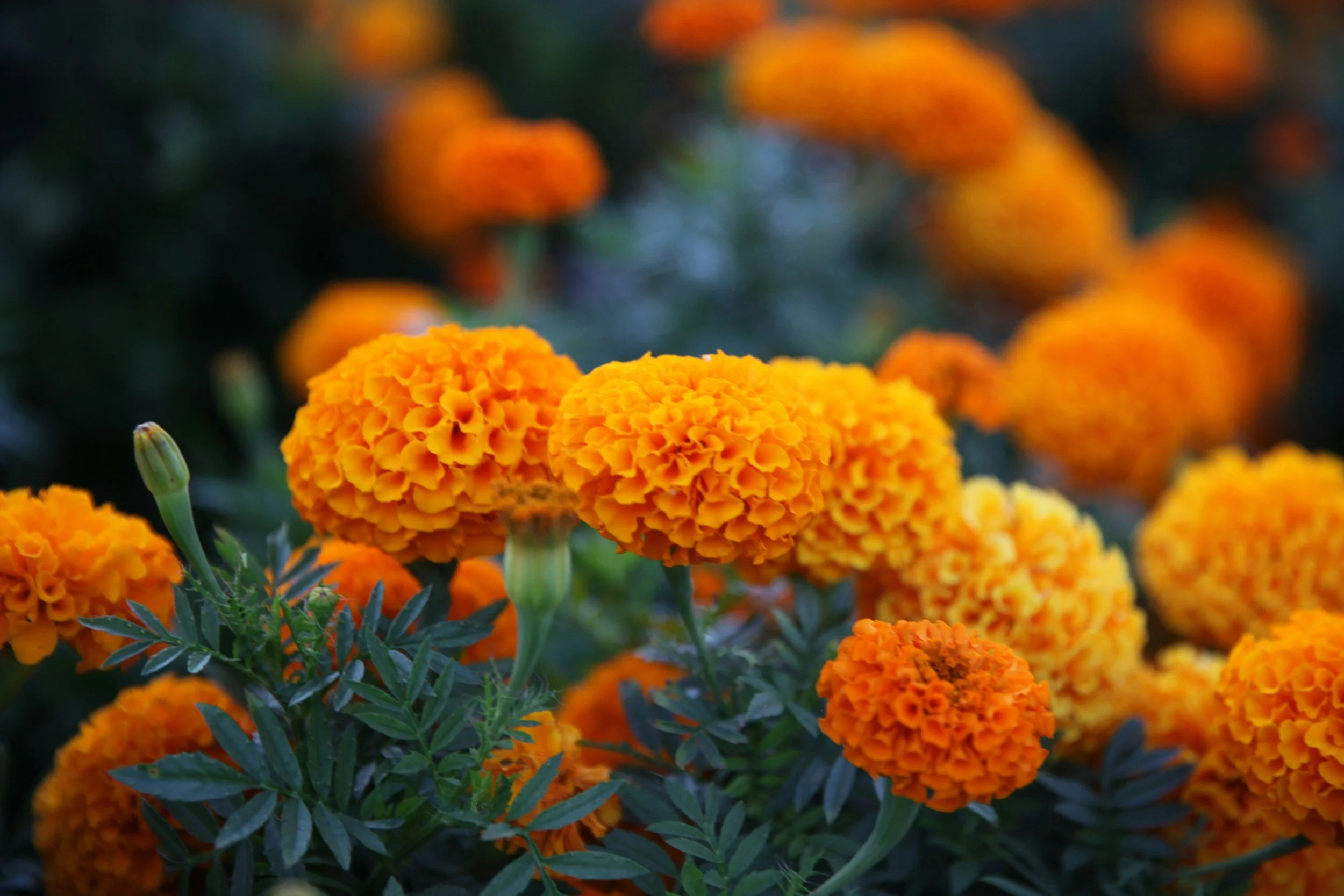
Families observing Día de los Muertos in Mexico and across the diaspora build ofrendas that can include marigolds, food, bread, incense and photographs of the dead. Practices differ according to community and household. A checklist of familiar objects can help a visitor recognize the form, yet it can leave out the most important thing about a particular offering. Somebody chose it for somebody.
The difference between a symbol and a preference
Marigolds offer a visual clue immediately recognizable to many visitors. A favorite dish may be considerably less legible to outsiders. For family members it can be the most precise element on the altar, recalling a person's tastes, a kitchen in which they worked or a meal at which they habitually asked for a second helping. An unfamiliar viewer sees food. People who remember the person see a relationship.
A photograph works in a similar way. It can identify the person to someone who knew their name but never met them. To a close relative it might preserve a familiar expression or a garment with a story attached. The person arranging the ofrenda need not explain everything for the offering to be meaningful. A public display can contain elements whose fullest meaning belongs to a family.
From a family altar to a museum
The Smithsonian has presented the work of altar maker Ofelia Esparza and has used community and digital ofrendas to invite remembrance. Moving an offering into a museum changes the audience. Labels can explain a practice to visitors from many backgrounds, while contributions from individuals can give a public commemoration an intimacy few institutional displays achieve on their own.
A digital photograph makes it possible to participate across distance. It cannot reproduce the scent of a flower or the texture of bread. A physical altar can assemble those materials in one place, although a relative far away might never get to see it. Families and institutions using different forms of display are negotiating a genuine question about how a community dispersed across cities and countries can remember together.
An ofrenda is often photographed because its colors and arrangement make a compelling image. When looking at such a photograph, reverse the normal order of attention. Begin with one small portrait or one dish, and only afterward take in the larger composition. The arrangement exists because particular people lived and remain important to somebody. That is a better introduction to the whole than treating the altar chiefly as a seasonal decoration.
Sources
Digital Ofrenda | National Museum of the American Latino
Día de los Muertos 2019: Ofelia Esparza | National Museum of the American Indian
Added to the Culture archive on November 24, 2026.