
The Street Where a Pullman Worker’s Address Said Something About the Job
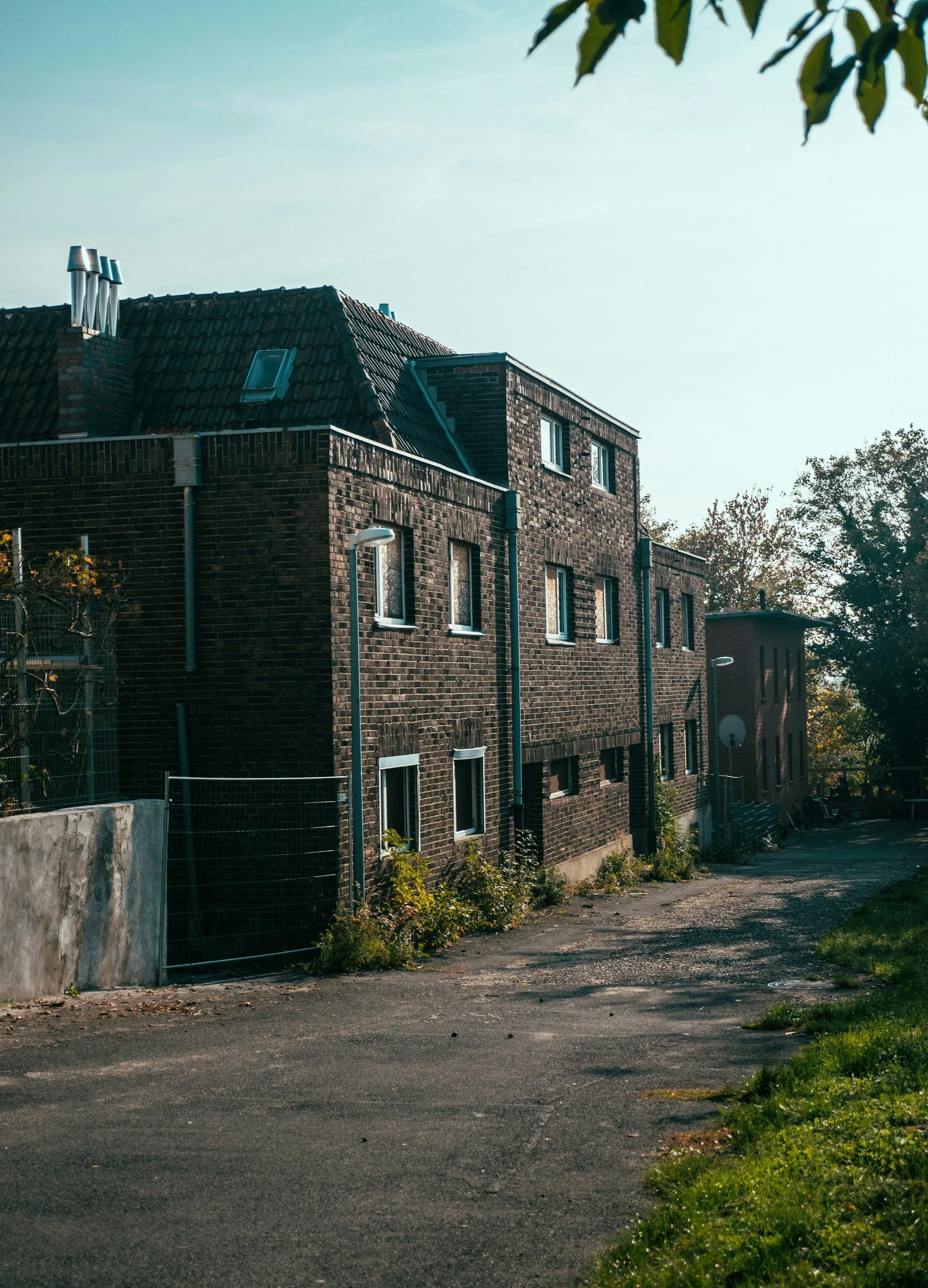
The first thing to look for in the old Pullman neighborhood in Chicago is the difference between two houses that appear to match. One has a broader frontage. Another shares a long stretch of wall with a row of neighbors. Brick and an orderly street plan draw the buildings together. The size and arrangement of the homes begin to sort their occupants apart.
George Pullman's company developed a town around the manufacture of railway cars. It built housing at several levels for a workforce whose jobs and earnings differed. The National Park Service preserves the distinction in its account of the workers' houses. The word “model” in model town is an invitation to ask whose model it was. The employer could make an attractive place to live and exercise unusual influence over what living there cost.
Reading the block from the pavement
A house gives an occupant a place to come home to at the end of a shift. When the landlord is also the employer, the relationship at the factory gate follows the worker down the street. Rent and earnings occupy different sides of a household account book. They acquire a different significance when the party collecting one also determines the other. This is why a history of Pullman told entirely through machinery would leave out some of its most consequential engineering.
Look along a row rather than concentrating on a single door. Shared materials made it possible to create architectural continuity across the development. Differences in space could still register rank. A resident would know which rooms accommodated a whole family and which amenities came with a particular rent. A person admiring the block from across the road might see only the handsome regularity of the brickwork.
Two different places to work for Pullman
The name Pullman also belonged to the world of the sleeping-car porter. A porter serving travelers on a train had a different job from a worker manufacturing a railway carriage in the town. Folding everyone into the phrase “Pullman worker” obscures an important division. One worker had to make the carriage fit for service. Another had to make paying passengers feel at home in it, often under conditions passengers could choose to ignore.
That distinction restores two sets of households to a railway story. There were families organized around factory shifts and rent, and families whose lives were shaped by work that took someone away on the rails. The attractive sleeping compartment that a traveler remembered was an exceptionally small part of the world that produced it.
The neighborhood's finest lesson may be the one offered by a pair of adjacent front doors. Each admitted a household whose experience of the company extended beyond the time clock. Place a photograph of those doors beside an advertisement for an elegant railway interior. The same corporate name promised comfort to a passenger and set the terms on which a worker could come home.
Sources
Historic Pullman Workers' Homes (U.S. National Park Service)
The Town of Pullman - Pullman National Historical Park (U.S. National Park Service)
Added to the Culture archive on November 24, 2026.