
The House Where a Passing Boat Could Wake the Family
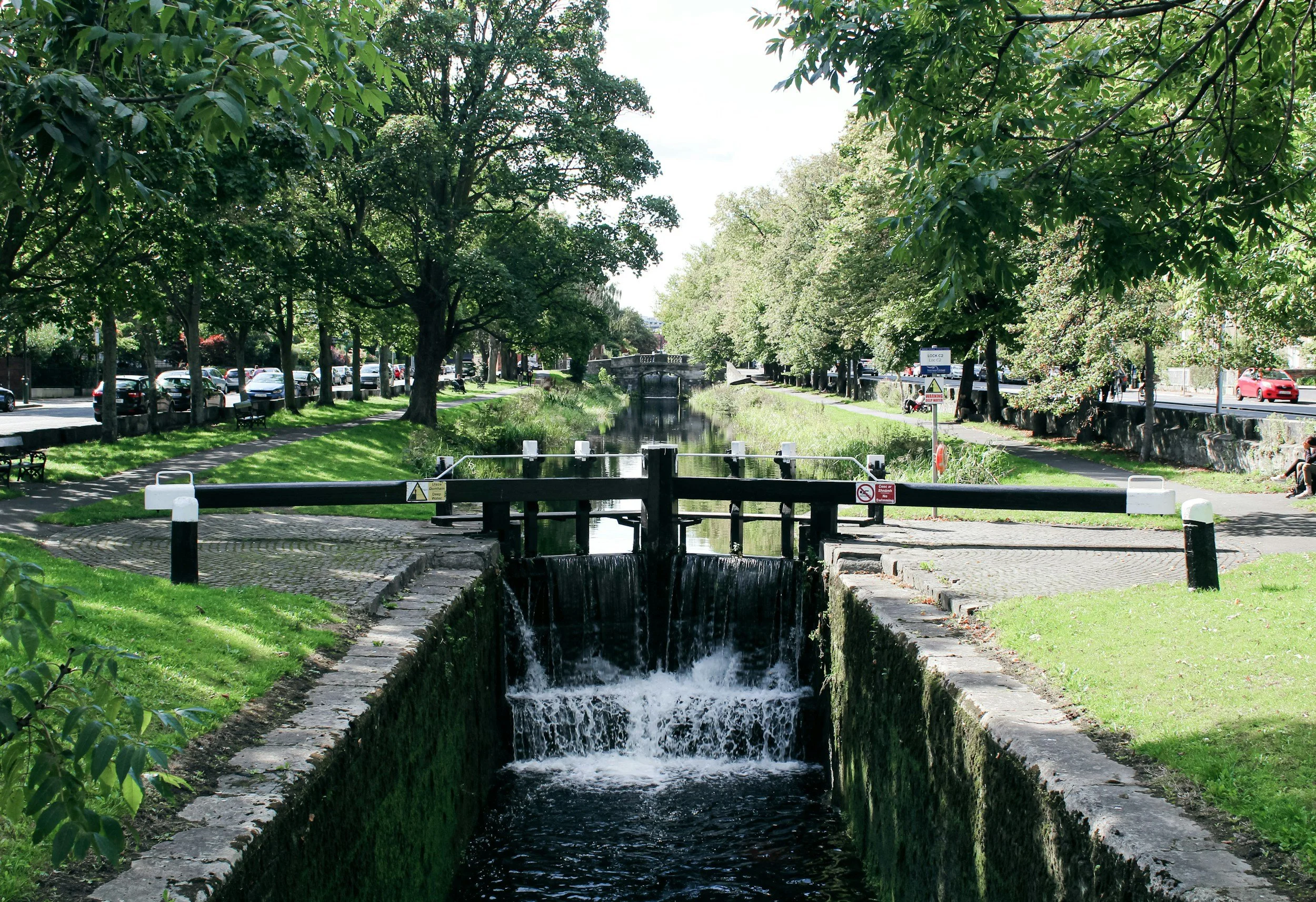
A lockkeeper on the Chesapeake and Ohio Canal had an unusually direct relationship with the front yard. A boat could arrive there wanting an immediate change in the water level. The lockhouse was a family residence beside a piece of working machinery. Its location made the canal more dependable for boat crews and made the family's time rather less its own.
The C&O carried goods including coal, lumber and flour toward Georgetown. Mules hauled boats along the towpath. On a level stretch, a crew could turn steady pulling into progress mile after mile. A change in elevation required a different arrangement. The boat entered a chamber, gates isolated it and water raised or lowered it until it could rejoin the canal at the other end. A boat could be moving through the transportation system while scarcely traveling its own length.
Two households meet
The Canal Trust describes families living aboard the boats as well as families living beside the locks. Consider the meeting of the two. Someone aboard wanted to clear the lock and make the next stretch before losing more of the day. Somebody ashore had to respond to arrivals at hours determined by traffic. A place that meant a brief delay for one family served as the permanent address of the other.
The houses gave a human scale to the long waterway. An accountant could follow the quantity of freight; a traveler could count miles. A keeper learned the route as a succession of arrivals, quiet intervals and interruptions. The word “lock” encourages a visitor to think of a device. Seeing a door and windows alongside it restores working hours, meals and sleep to the picture.
What the towpath contributes
A photograph aimed down the canal tends to put the water in the middle and the narrow strip of land along the side. In operation the strip was indispensable. The energy that advanced the boat came from an animal walking on it. At a lock, the chamber, the gates, the bank and the towpath all had to agree on where the boat and its means of propulsion would go next.
Try making a little drawing of one arrival. Give the family ashore a place in it, then find room for the boat, animal, crew and cargo. The outline of the lockhouse alone tells surprisingly little about the amount of activity a keeper had within sight of home. Boats carrying different goods needed the same service, whether the keeper happened to be eating dinner or waiting for the first arrival of the day.
Travelers now value a canal lockhouse for its proximity to water and the chance to picture another pace of life. To understand the address in its own time, give that quiet stretch of towpath an approaching boat. The most important amenity the house offered its employer was somebody at home when the boat arrived.
Sources
lockhouse - Chesapeake & Ohio Canal National Historical Park (U.S. National Park Service)
C&O Canal Lockhouse 44 (U.S. National Park Service)
Added to the Culture archive on November 24, 2026.