
Frederick Douglass Had a Name for a Room of His Own
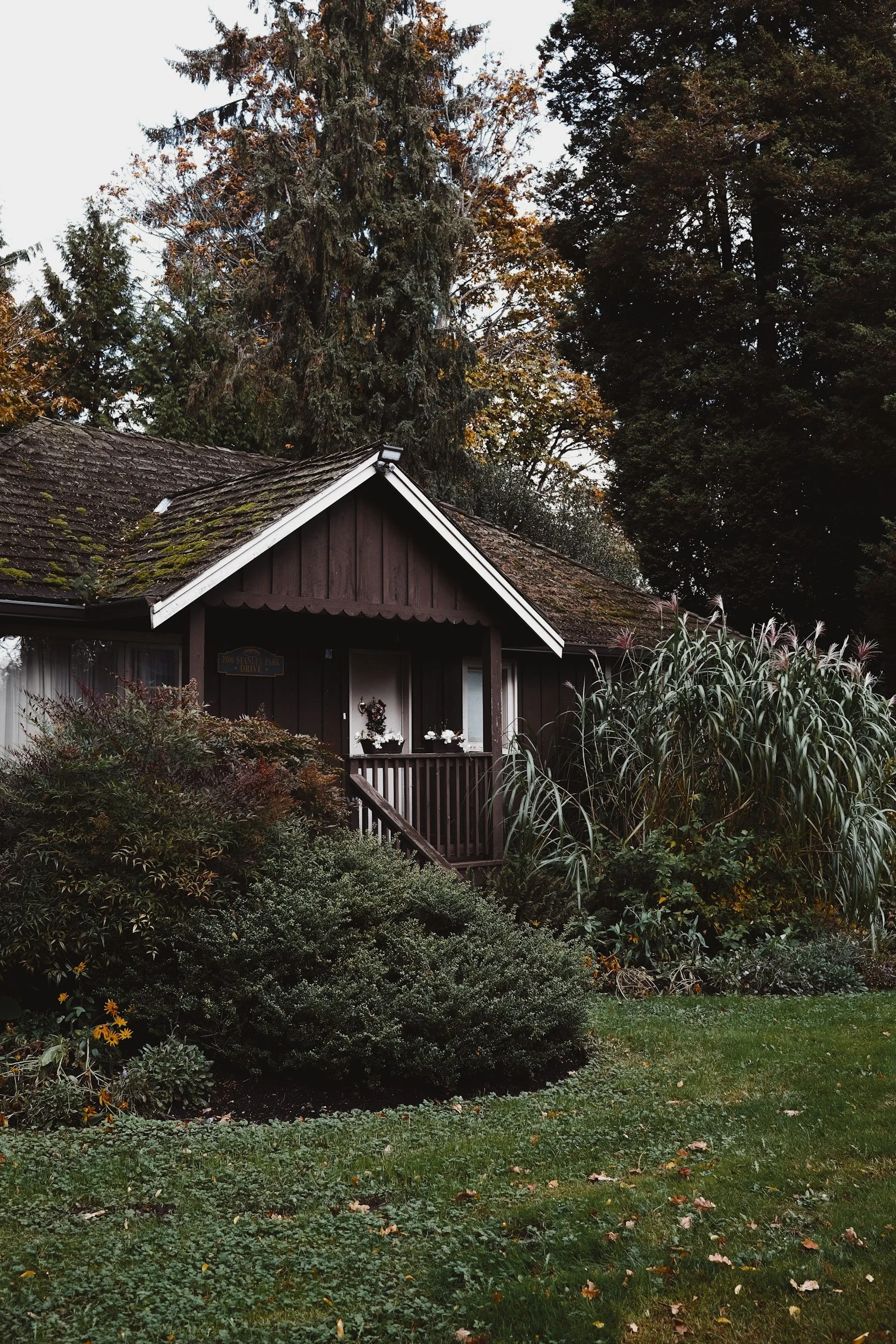
Frederick Douglass called a small stone outbuilding at Cedar Hill in Washington his Growlery. A stranger could be forgiven for expecting an ill-tempered room. The furnishings the National Park Service describes are more suggestive of a writer's practical needs, a desk, a stool, a couch and a fireplace. The name came from literary company. Charles Dickens had used the word in Bleak House.
Douglass had an ample house and a public life that made powerful use of his voice. A separate place to read, write and think gave him something an audience could never supply. He could decide when a sentence was ready to leave the room. A history that follows a public speaker from podium to podium misses the hours during which there was nobody to address.
What a reporter saw
In 1889 Douglass allowed a reporter into the little building. The visitor noticed the fire and a desk crowded with books and papers. For the modern reader, the papers are almost the most evocative part of the account. A preserved desk in a museum tends to look finished and self-contained. A working desk can be an improvised system of retrieval whose order is clear only to its owner.
The reporter's presence also complicates the romance of perfect solitude. One reason we know how Douglass used the room is that on this occasion he let somebody into it. Private space permits its owner to choose when to be visible. A single account of an interior records one such choice. It leaves all the unobserved days to the imagination.
Where the reconstruction earns its place
The Growlery now standing at Cedar Hill is a modern reconstruction on the original site. Knowing this changes what a visitor can legitimately claim to see. The reconstructed building gives the small room a scale and a position in relation to the main house. The surviving account gives it an occupied moment. Neither can substitute for the other.
Try picturing a walk from the main house to the outbuilding carrying a book and a few sheets of paper. The simple change of location acts as an instruction to everyone, including the person making the walk. Work that requires attention will take place here. Going back to the house can mark the end of it. Even someone whose working life is usually public has good reason to create such a boundary.
The name Growlery lets a little humor into the arrangement. Douglass could borrow Dickens's word and make it refer to a particular place in Washington, with a particular desk and a visitor who remembered the state of the papers. A room hardly big enough to hold a public meeting turns out to be a good place to consider how a public voice was made.
Sources
The Growlery - Frederick Douglass National Historic Site (U.S. National Park Service)
Frederick Douglass: The Growlery (U.S. National Park Service)
Added to the Culture archive on November 24, 2026.