Sag Harbor's The Church: History in the Making
This article was written by Nancy Prager-Kamel, the Chairwoman of the Association of Foreign Press Correspondents in the United States.
A surprising discovery awaits visitors at 48 Madison St. in Sag Harbor. The destination, known as theChurch, is far from a traditional religious experience—at least not in the sense of sermons, pews, or pulpits. Instead, if meaningful imagery and powerful art speak to your spirit, this is an experience of an entirely different, almost holy, nature.
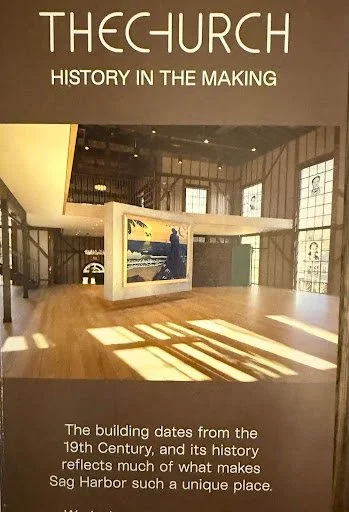
Originally constructed in 1835 as a functioning Methodist church in the Greek Revival style, the building once stood five blocks away on a hill. Twenty-nine years later it was moved to its present location when winter snow made the uphill journey too difficult for congregants. In the 18th and 19th centuries, it was not unusual for entire buildings to be relocated with the help of oxen and horses.
After the congregation deconsecrated and sold the church in 2007, the structure went through several owners with very different visions—condominiums, a textile design headquarters, even a private residence. Ultimately, it was purchased by artists Eric Fischl and April Gornik, who transformed it into a beautifully luminous cultural and exhibition space.
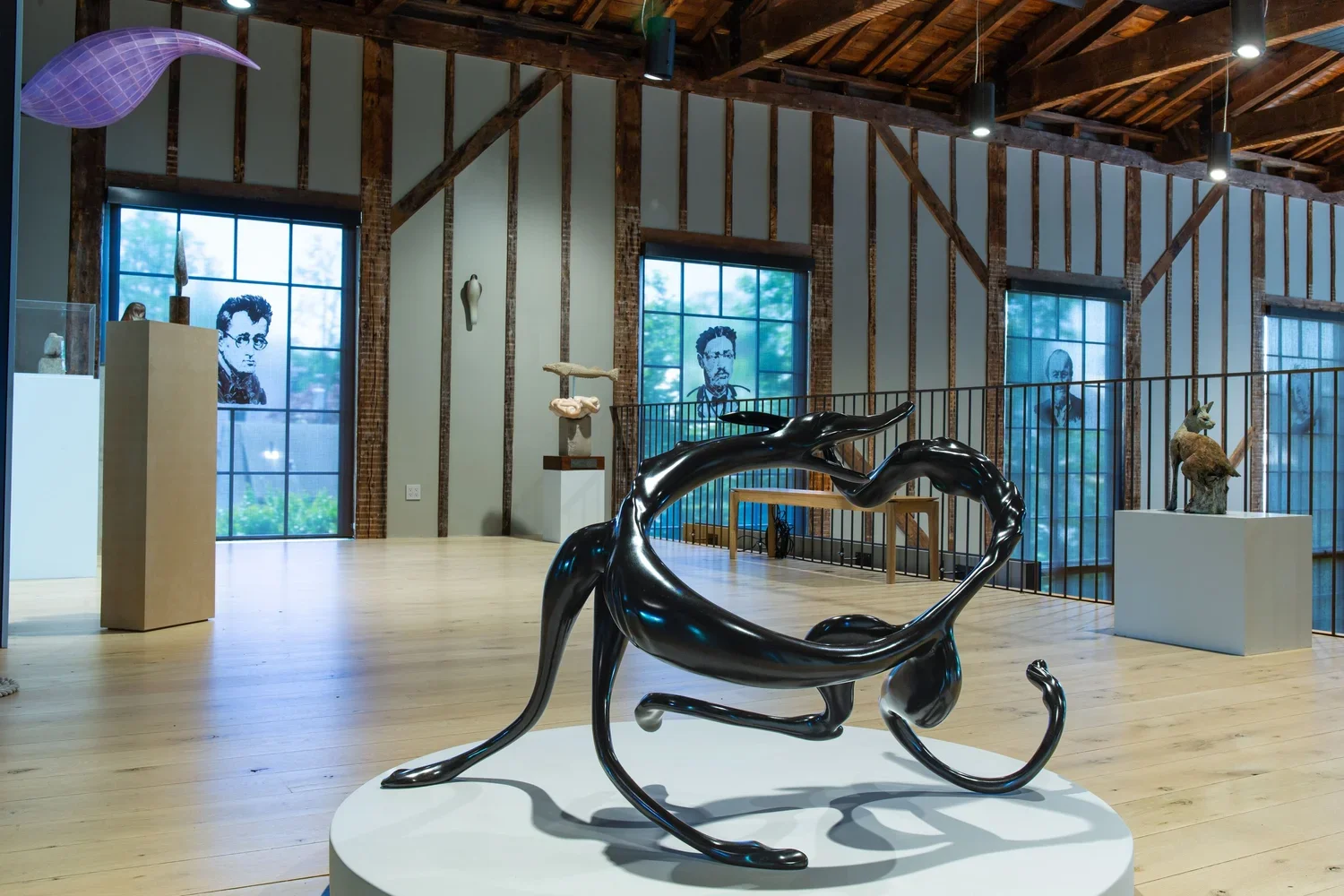
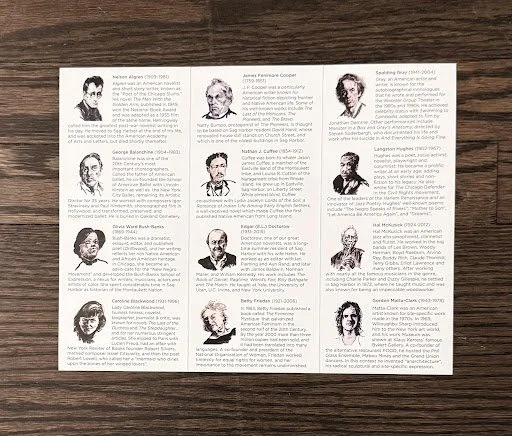
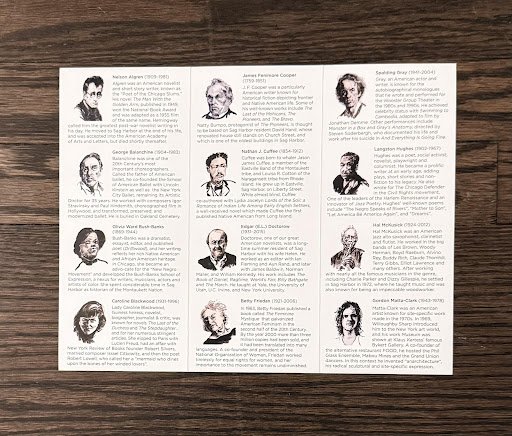
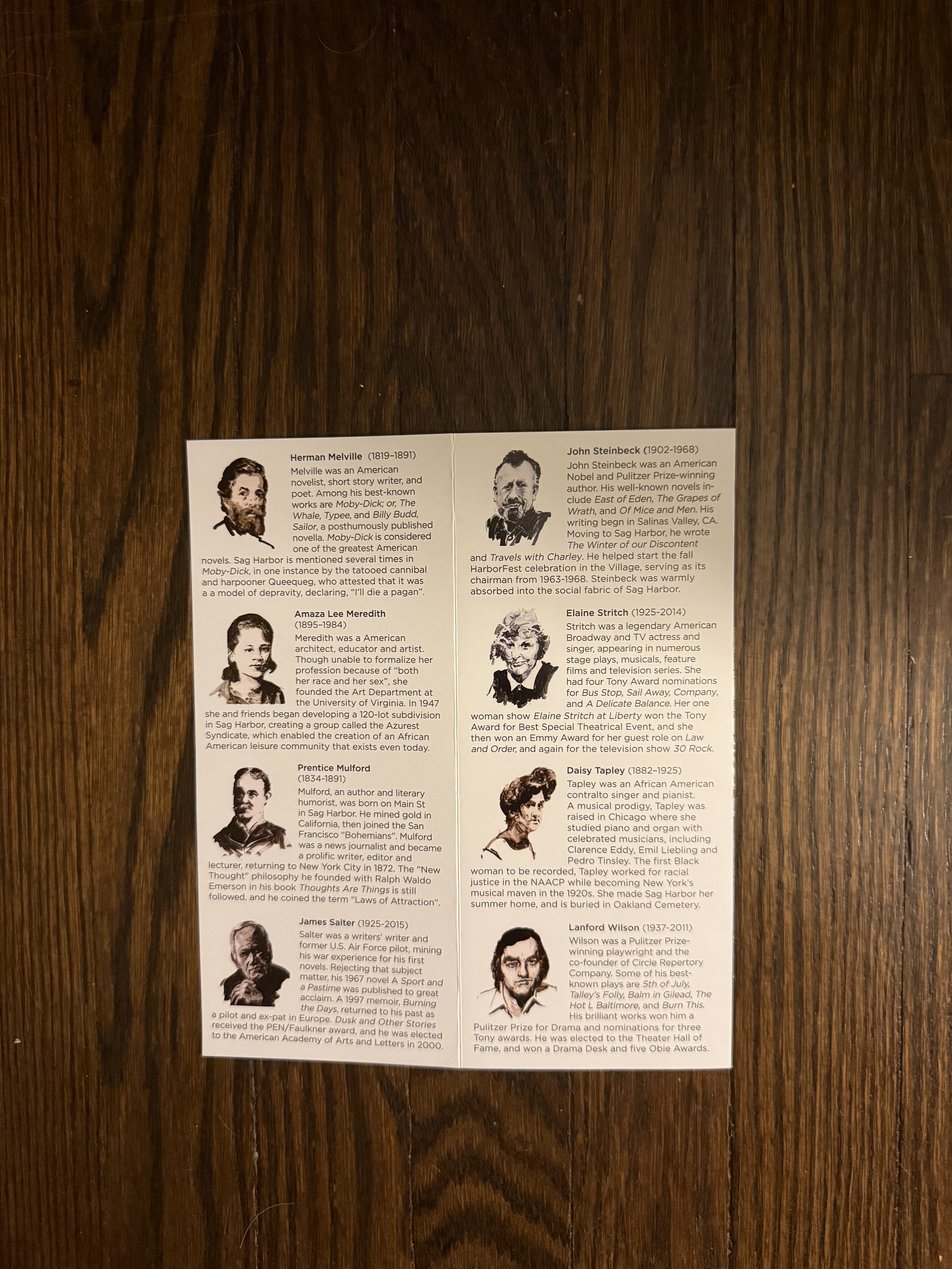
Architect Lee Skolnick redesigned the interior, replacing all but one of the stained-glass windows with new works inspired by Fischl’s portraits honoring distinguished, now-deceased Sag Harbor figures—writers, artists, inventors, architects, and other influential residents who called Sag Harbor home.
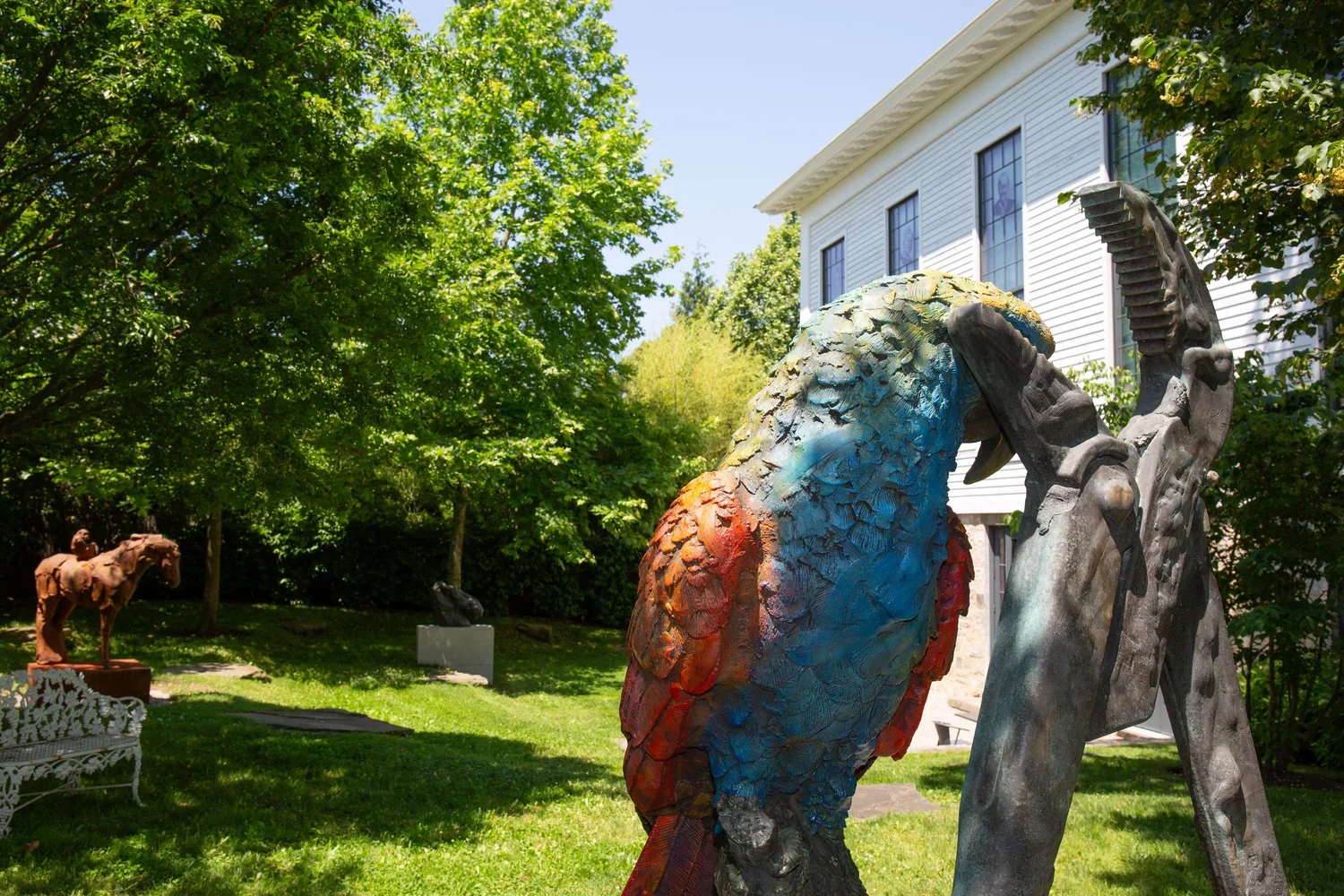
The Church was conceived as a creative gift to the East End community. Its open, flexible design accommodates visiting artists, working creatives, talks, and panel discussions, drawing audiences ranging from students to seniors. Even the surrounding garden serves multiple purposes, celebrating the work of writers, dancers, inventors, and artists.
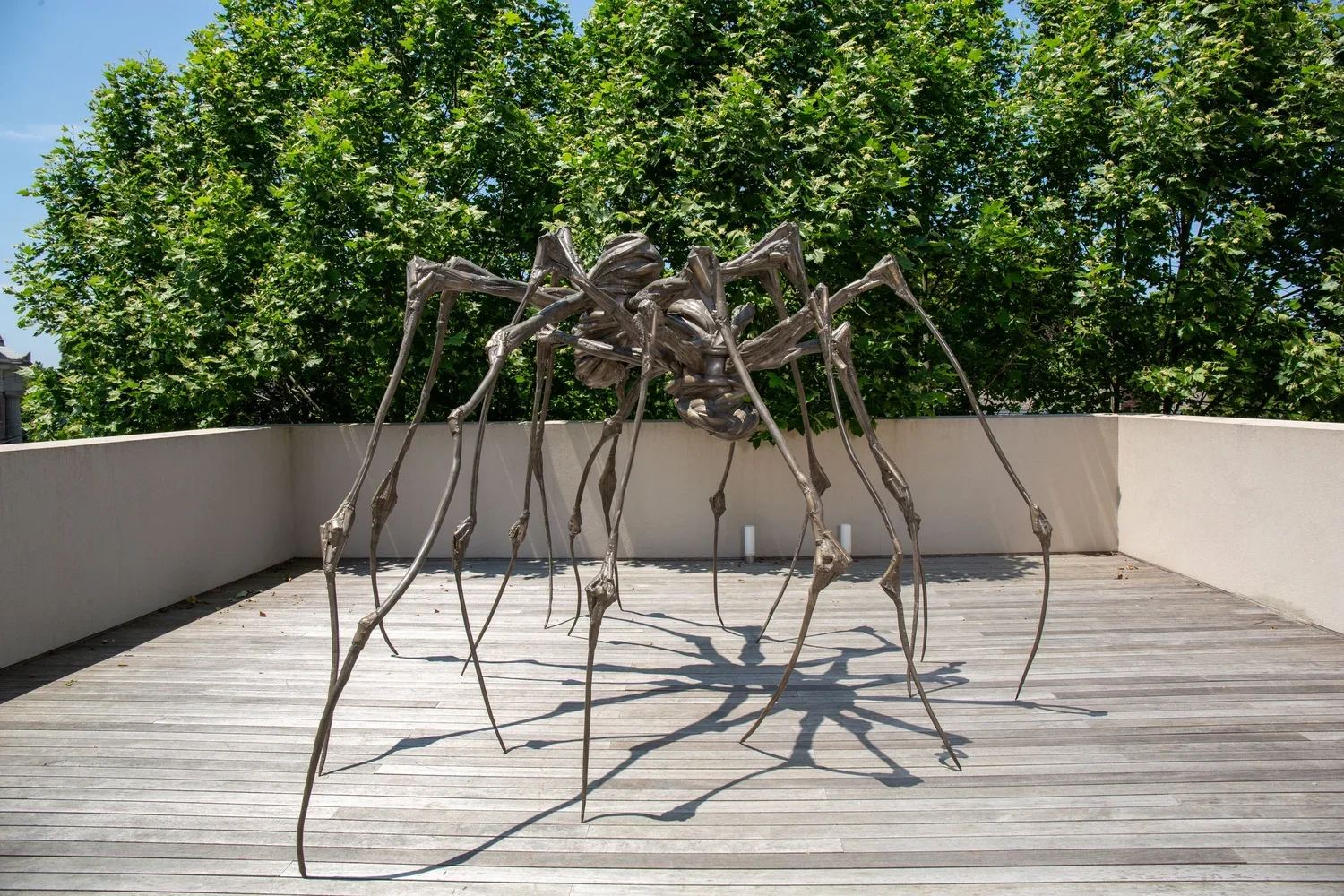
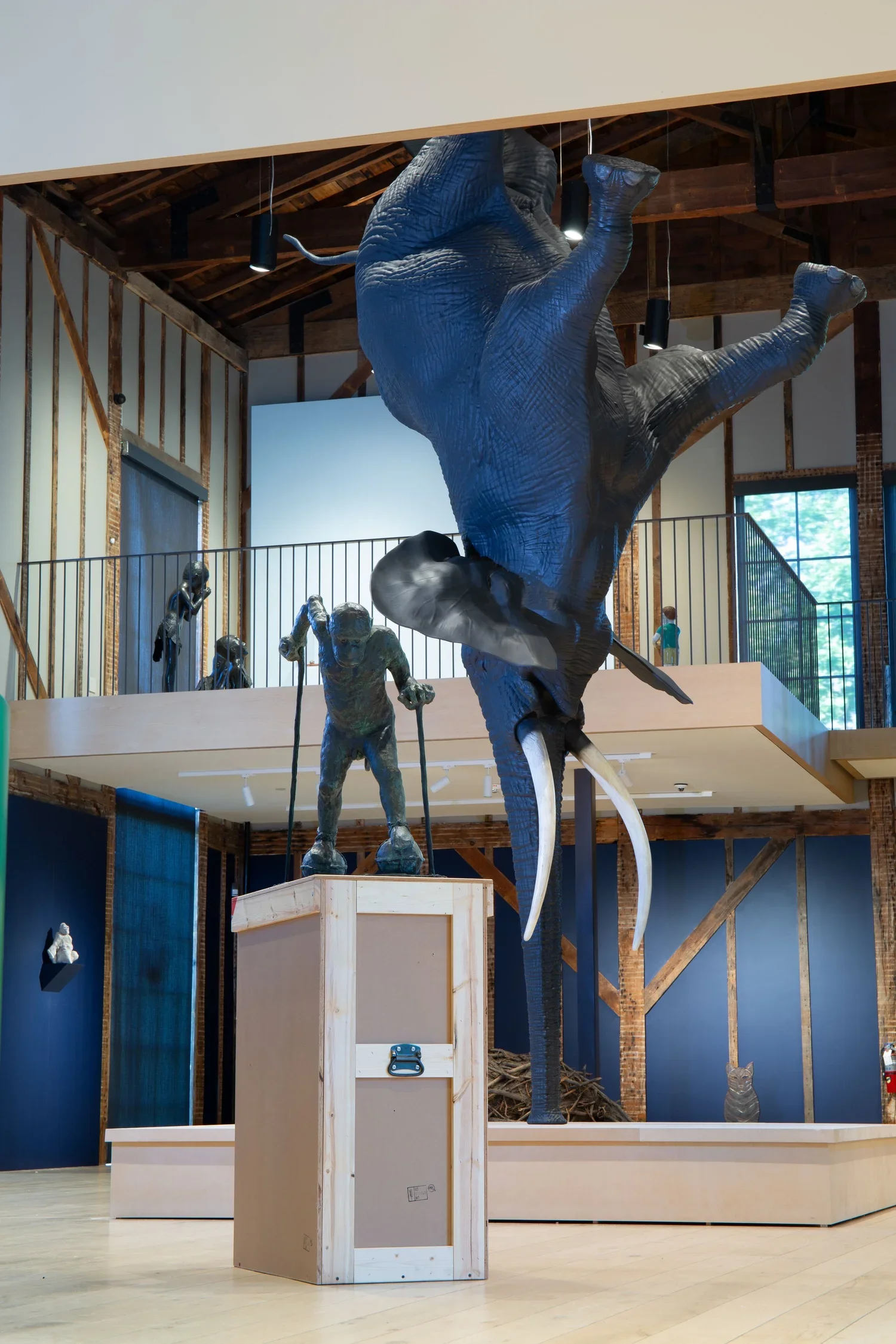
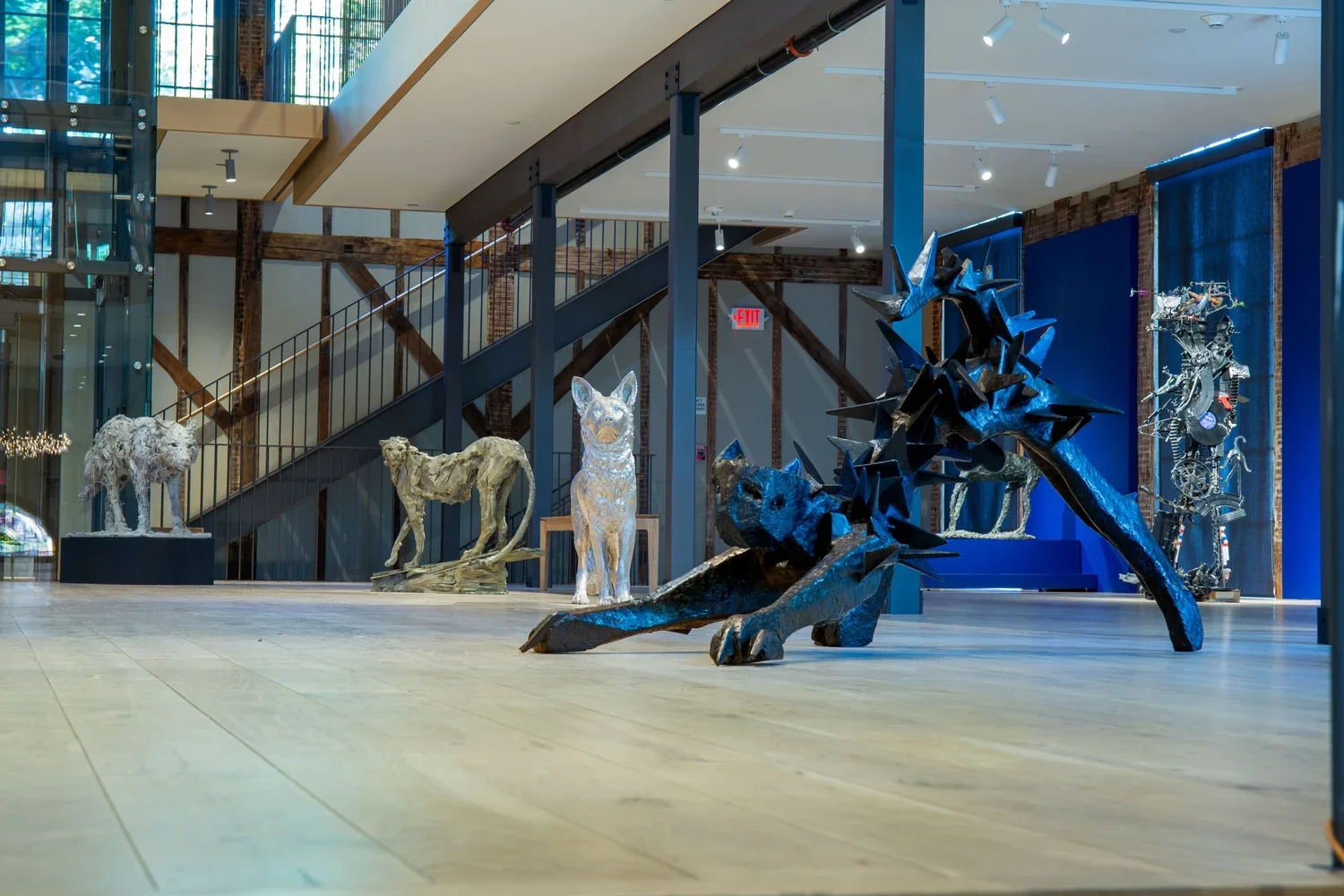
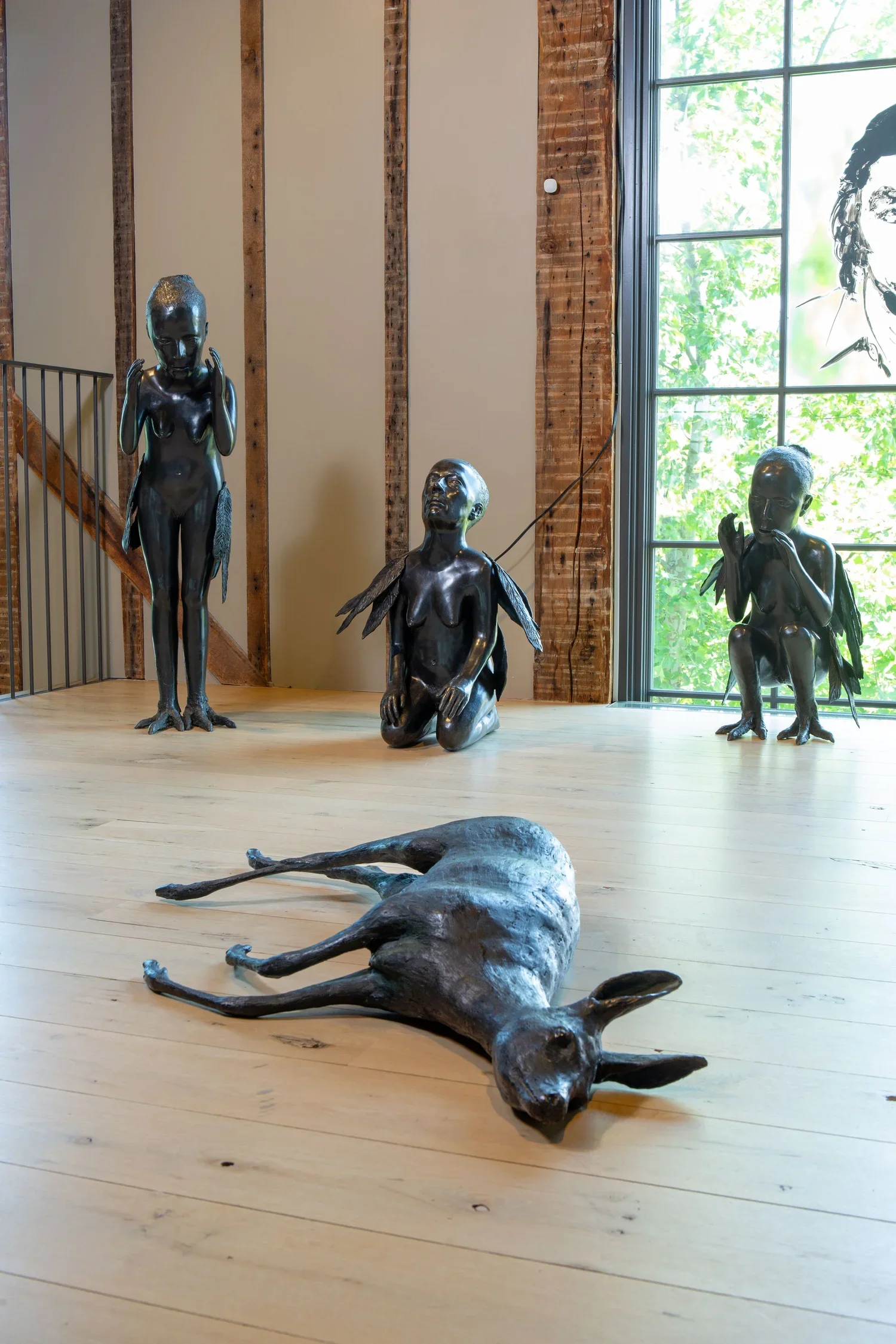
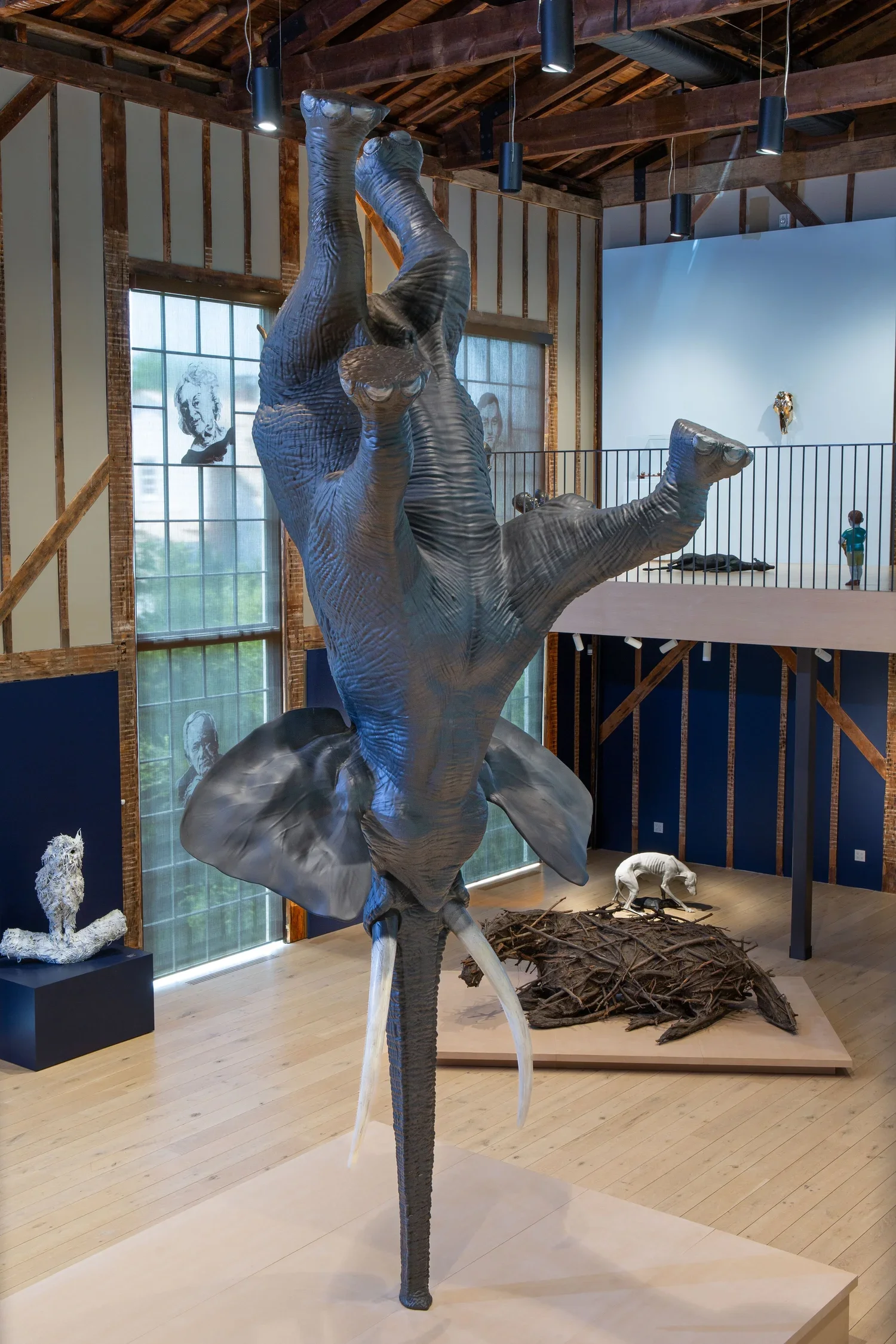
The Church’s 2025 summer exhibition, curated by Eric Fischl, is titled The Ark. The name references the ancient myth of the great flood—an apocalyptic event echoed in stories from cultures across the globe. Scholars still debate the boundary between history and legend, but its symbolic meaning remains powerful.
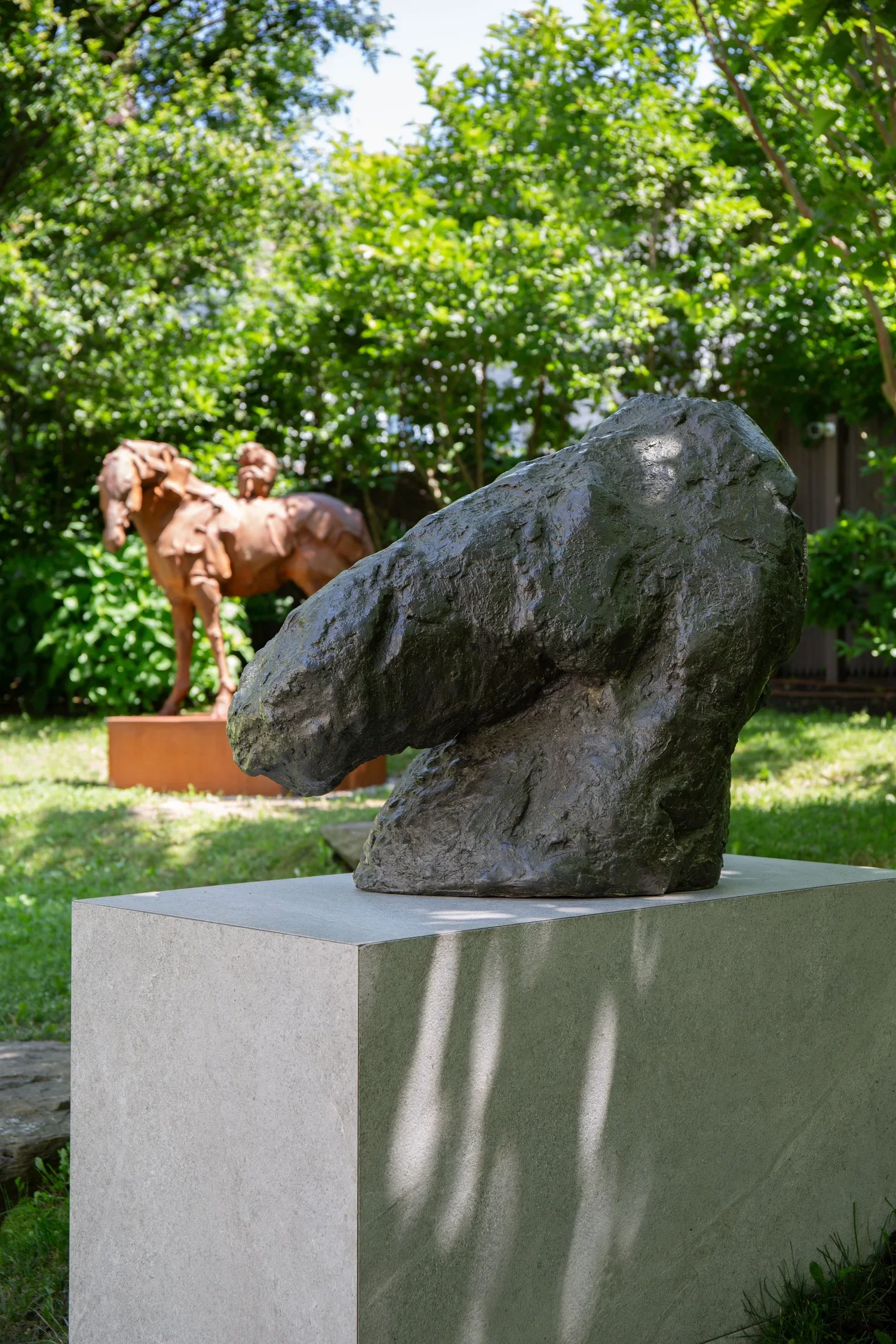
Featuring animal sculptures—both abstract and realistic—by more than 40 international artists across the past century, the exhibition explores the relationship between humans, animals, and the natural world. As Fischl explains:
“These works explore themes of beauty, empathy, vulnerability, desperation, tenderness, and connection to both the otherness of animals in the wildness of nature and a mirroring metaphor for the interior world of Self. The works are, for the most part, handmade, which further highlights the complexity of our experience of both the art object created and the emotional urgency one feels through its maker.”