
Why Universities Matter More Than Ever in the U.S. Story
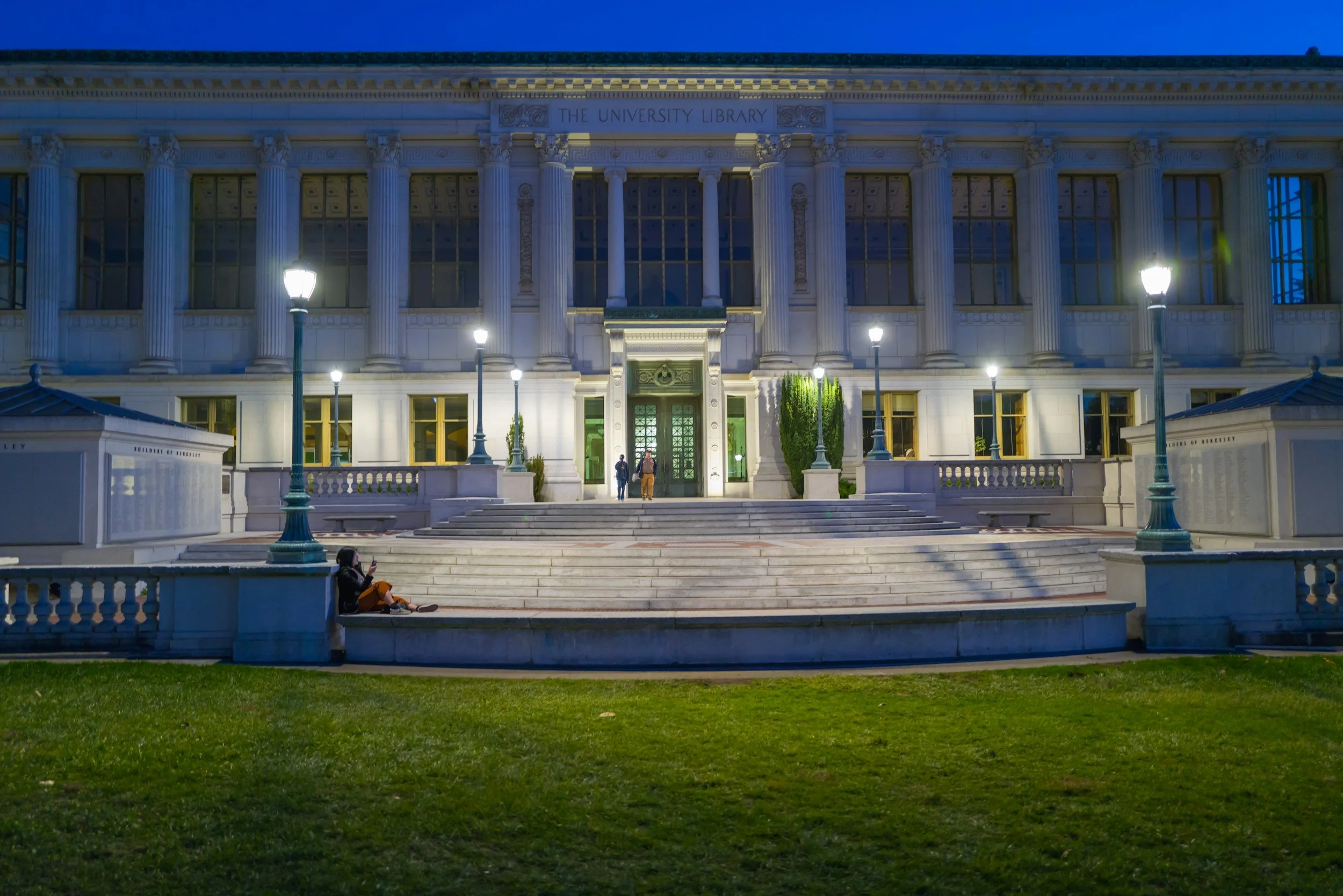
An educational guide for international correspondents on why American universities matter in reporting on protest, research, free speech, technology, funding, and social change.
For international correspondents trying to understand the United States, universities are among the most important institutions to watch. They are not only places of education. They are arenas where the country’s tensions, ambitions, and transformations often become visible earlier and more clearly than elsewhere. Debates over free speech, protest, research funding, foreign influence, technology, student activism, labor rights, diversity policies, and public trust in institutions frequently emerge on university campuses before they become wider national stories. For foreign journalists, this makes universities essential to understanding not only education in America, but America itself.
One reason universities matter so much is that they sit at the intersection of several major forces at once. They are intellectual centers, economic actors, employers, property owners, research hubs, cultural symbols, and political battlegrounds. A campus is rarely just a campus. It is often a microcosm of wider American debates. The disputes that unfold there can reflect national arguments over identity, public authority, generational change, institutional legitimacy, and the meaning of freedom in a democratic society.
This matters because international audiences often associate American universities with prestige, elite admissions, or global rankings. Those things are certainly part of the story, but they are not the whole story. U.S. universities also help shape the country’s scientific leadership, policy debates, workforce development, international partnerships, and civic culture. What happens on campus can affect everything from medical research and artificial intelligence to immigration patterns and national political discourse. For correspondents, covering universities seriously means looking beyond reputation and seeing them as active players in the American system.
One of the clearest reasons universities deserve attention is protest. American campuses have long served as spaces where political and social movements become visible. Student organizing, faculty statements, administrative responses, and conflicts over speech often make universities early indicators of national unrest. Whether the issue is war, race, policing, labor rights, climate change, gender policy, antisemitism, Islamophobia, foreign policy, or civil liberties, campuses can become focal points for debate and confrontation. These episodes matter not only because of what students say, but because they often reveal how institutions respond under pressure.
For international correspondents, protest coverage on campus requires care and context. It is easy for campus conflicts to be reduced to dramatic images, slogans, arrests, or culture war framing. But the deeper reporting question is usually institutional. What policies are in place? How does the administration define safety and expression? Who has authority over campus policing? What legal obligations shape the response? How are trustees, donors, alumni, lawmakers, and outside advocacy groups influencing decisions? Universities matter because they expose how complicated the balance between rights, order, reputation, and power can become in American public life.
Another major reason campuses matter is research and innovation. Many of the United States’ most important advances in medicine, engineering, artificial intelligence, public health, defense-related science, and environmental technology are tied to universities. These institutions are deeply connected to federal grants, private philanthropy, corporate partnerships, and international talent flows. When research funding is cut, expanded, politicized, or redirected, the implications can be enormous. For foreign correspondents, universities are therefore key to understanding the future of American competitiveness, scientific leadership, and technological influence.
This is especially relevant in an era when technology and national security increasingly overlap. Universities are places where questions about AI, semiconductors, biotechnology, surveillance, intellectual property, and foreign collaboration are actively debated. They are also places where tensions arise between openness and control. American universities traditionally present themselves as global institutions built on exchange, mobility, and academic freedom. Yet concerns over espionage, strategic technology transfer, and geopolitical competition have made international partnerships more sensitive. For foreign correspondents, this creates an important reporting space: campuses often reveal how America is negotiating the line between openness and suspicion.
Universities also matter because they are economic institutions with significant local and national impact. A major university may be the largest employer in a region, a driver of housing pressure, a source of startup activity, and a symbol of local identity. Tuition levels, student debt, labor disputes, adjunct faculty conditions, campus expansion, and financial governance all carry broader significance. A story about a university budget crisis may also be a story about declining demographics, changing public investment, or the fragility of the middle-class promise associated with higher education. A story about graduate student unionization may also reflect broader labor shifts in the American economy.
For international audiences, higher education is often viewed as one of the United States’ great strengths. And in many ways it remains so. American universities attract global talent, generate influential research, and shape cultural and intellectual life far beyond U.S. borders. But they are also under pressure from rising costs, ideological conflict, political scrutiny, administrative bloat, donor influence, and public skepticism about value. That tension makes them especially important for journalists. Universities now symbolize both aspiration and anxiety. They represent opportunity, but also conflict over who gets access, what knowledge is valued, and how institutions should be governed.
For foreign correspondents, campuses are also useful places to observe generational change. Students often express emerging attitudes before they become dominant in national politics or culture. The way younger Americans speak about identity, democracy, global affairs, work, language, mental health, or institutional trust can often be seen first in academic settings. This does not mean campus opinion represents all of America. It does not. But it can reveal where parts of the country are moving, what tensions are building, and how future elites and professionals may think differently from older generations.
What international correspondents should know is that universities are not peripheral to the American story. They are central to it. They help explain protest movements, scientific leadership, social change, labor dynamics, free speech disputes, international competition, and the future direction of the country. They are places where intellectual ideals meet financial realities, where public values collide with institutional management, and where national conflicts often become highly visible in concentrated form.
Why does this matter? Because correspondents who overlook universities may miss some of the most revealing signals in American life. A campus controversy is rarely just about a campus. It often reflects deeper questions about power, belief, legitimacy, and the future. To cover the United States with depth, international correspondents should treat universities not as isolated academic spaces, but as active centers of conflict, innovation, and meaning within the country’s broader story.