
Whose Festival Is on the Neighborhood Calendar?
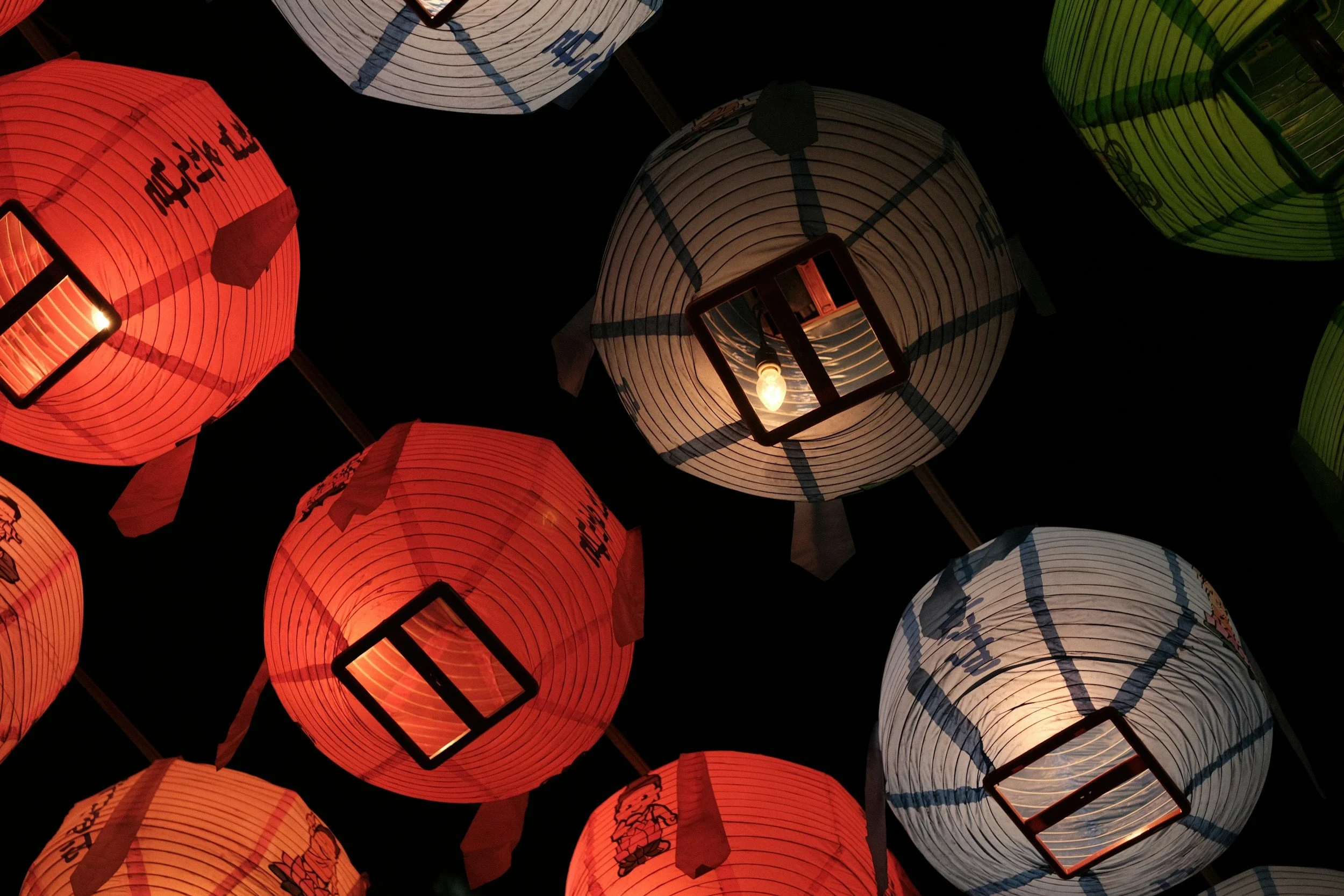
Imagine a handmade sign outside a neighborhood hall announcing a Saturday festival. The large lettering is in a language other than English. In smaller print there are an address, a library logo and the name of a local association. An overseas desk might recognize the language immediately and still have little idea who is putting on the event or what a family will do after walking through the door. Those are promising places for a correspondent to begin.
Establish who chose the program
Take the sign as a list of leads. Ask the contact who booked the hall, chose the activities, owns the event name and can answer questions on the record. A library might have lent tables and publicized the event while a weekend language school organized it. Give the organizers their full name, spell out the library’s contribution if it matters, and identify the neighborhood in terms a reader abroad can locate.
Ask who the organizers hoped would come and how they distributed invitations. A class might have made a festival for its families and then opened it to neighbors. A group might have invited learners who have never spoken the language at home. These particulars help readers understand why an event has bilingual signs or why a welcome desk offers illustrated instructions. Ask the people staffing it how they came to that arrangement.
Follow an organizational statement to a person with direct knowledge. The treasurer might confirm the hall rental, the librarian may know when a story hour began, and a teacher can explain why a group chose a particular game. Ask where a local program is documented. An earlier flyer or library calendar can support a timeline. Give personal memories a named speaker and an approximate date when precision is unavailable.
Let participants name the language and the occasion
Copy the festival’s name in the form the organizers publish. Ask how it is pronounced, what spelling they use in another script and whether they have an established translation for your outlet’s language. A literal translation may obscure a pun or turn the name of a local club into the title of the celebration. Record the original, the suggested wording and the person who explained the difference.
Ask participants how they describe their own relationship with the language. Someone might read it fluently after studying as an adult. Someone else might speak with relatives and prefer English when reading. Neither answer tells you where the person was born, which other languages they use, or how another household approaches the festival. Give the individual space to supply the details relevant to the story.
If two speakers give you different names for the same activity, ask when and with whom they use each one. They may be describing different rules, a family nickname or simply two ways of addressing children. Present a difference when it helps the reader understand this event. A disagreement between two people at one table rarely answers a question about usage across an entire language.
Follow one activity from setup to finish
In the imagined hall, consider following a word game. Before the session, ask who made its cards, where the instructions came from and what the organizer changed for this room. Watch which cues a newcomer needs and when the first round ends. A description of one adult turning a picture card so a child can see it can show readers how the activity works, provided it happened in front of you.
Ask the organizer about the activity’s place in the local calendar. Perhaps the cards are used at weekly classes and the festival is their first outing in a larger hall. A familiar exercise may have needed bigger lettering or shorter turns because visitors come and go. Those details can supply an account of change based on a decision a reader can picture, with a source available to explain it.
Identify who speaks in a recorded exchange and how the translation was checked. The Oral History Association recommends discussing the purpose of an interview and obtaining the participant’s informed consent before it begins. The Library of Congress fieldwork guide also offers ways to organize field notes. Keep each original phrase, its translation and its speaker together. A conversation with a parent about a child’s game does not by itself provide permission to record or identify the child.
Measure the event at the scale you can see
Ask how attendance is counted. A door volunteer might count entries, a class list might count registrations, and a picture might show occupied chairs during one session. Treat those as different observations. Someone attending three sessions may appear three times on sign-in sheets. If organizers have only an estimate, attribute it and explain the method if the figure matters. The report can often do more with an observed queue and the number of available tables.
Take a walk in the surrounding blocks, using the organizers’ directions and a map. Identify the nearest landmark that readers could find and check which entrance was open. Ask a nearby librarian, shopkeeper or regular visitor about a particular connection to the festival. A shop providing paper for this year’s cards offers a straightforward local link. Its storefront alone establishes little about what languages people speak in the neighborhood.
At the desk, read the nouns describing the group. Replace any overly broad collective with the people the reporting reached, whether that means the six volunteers preparing the room or the families interviewed after one round. Check personal names and diacritics with the people concerned. Keep their preferred spellings available to editors working in a different script, and include a pronunciation if the story will be read aloud.
A closing detail might be what happens to the game after the hall empties. Do the cards go home with families, return to a classroom or stay at the library until the next story hour? Check with the person packing the box. The destination can tell a reader abroad where the language will be heard in this neighborhood on an ordinary Tuesday.
