
Who Grew What Is on the Farmers-Market Table?
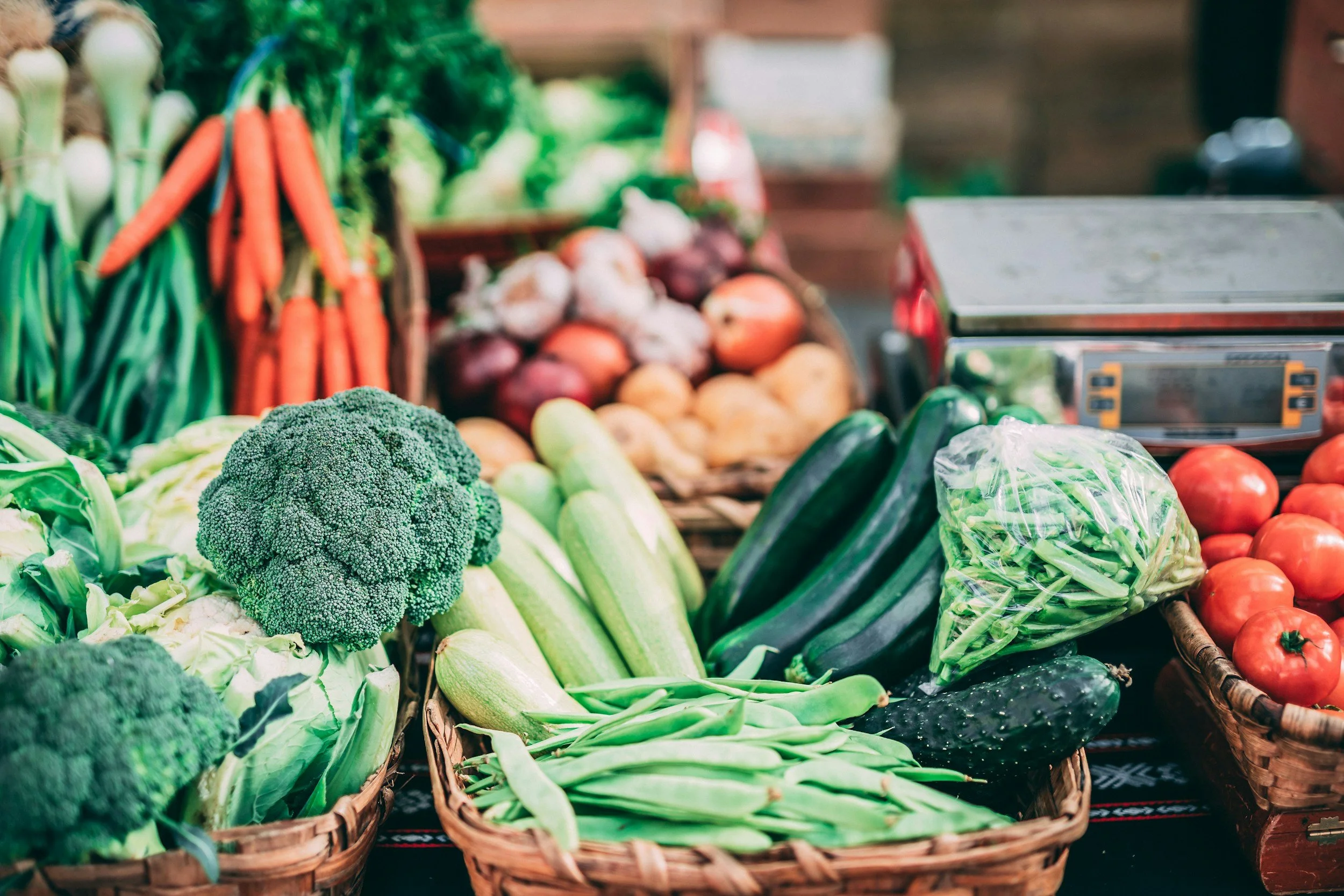
A farmers-market table offers a vivid scene: crates, handwritten signs and a seller explaining the harvest. For an international correspondent, it can seem safe to describe everything on the table as grown by the person behind it. That conclusion requires reporting. The seller may be an employee, a producer may sell several kinds of goods, and market rules can define origin in different ways.
A useful community feature asks who grew, raised, caught, baked or processed the particular product being described. Those verbs are not interchangeable. Establishing the chain makes the story richer, while avoiding a vague claim that local automatically explains every ingredient, production step and person involved.
Begin with the market's own rules
Identify the organization operating the market and obtain its current vendor rules. Ask whether it describes the market as producer-only and what that means for different product categories. Do not assume that every event called a farmers market follows the same requirements. A market's name is a starting point, not a complete sourcing policy.
GrowNYC's Greenmarket program, for example, describes its markets as producer-only and explains that eligibility requirements apply to producers and products. Its detailed rules distinguish categories of goods and production arrangements. Use that as an example of a documented system, then read the rules of the market you are actually covering rather than importing another operator's standards.
Record the version and date of the rules. If a vendor or organizer describes an exception, ask where it is documented and how it applies to the product in question. A rule can help frame an interview, but the reporter should still establish the facts of the particular stall rather than treating the existence of a policy as proof of every transaction.
Identify the person and the producer separately
Ask the seller's name and role: farmer, family member, employee, baker or another representative. Confirm the business name and location independently through the market's vendor listing or the producer's records. Do not call someone the owner simply because they are managing the table when you arrive.
For a hypothetical stall selling apples and preserves, ask who grew the apples and who made the preserves. The answer may involve different people within the same business. A clear description can explain that collaboration without implying deception. The purpose is to identify the work accurately, not to force every product into the same simple origin story.
If you interview an employee, distinguish firsthand knowledge from information they need to confirm with the producer. Follow up on the details central to the article. A friendly conversation at a busy stall can generate leads, but it should not become the sole authority for a claim about the entire operation.
Follow one product through its stages
Choose a specific item and batch where possible. Ask where it was grown or made, when it was harvested or produced and how it reached the market. Keep cultivation, processing, storage and sale as separate stages. A product sold locally may have ingredients from elsewhere, while a locally grown crop may be processed at another site.
In the hypothetical preserves example, distinguish the origin of the fruit from the location of the kitchen and the source of other ingredients. Read the label and ask for clarification where necessary. Do not describe every ingredient as farm-grown because the finished jar carries the farm's name. Equally, do not imply a violation without checking the applicable market rules.
GrowNYC's published rules illustrate the level of detail a program can use for processed goods and ingredient sourcing. The reporting lesson is to ask a product-specific question. General language about supporting farmers does not resolve the origin of a particular jar, loaf or prepared dish.
Define local before using it as evidence
Ask what geographic area the market or producer means by local. Is it a mileage range, a set of states, a region or simply a description of proximity? Attribute the definition. Do not present one market's regional boundary as a nationwide standard or assume that a reader abroad will understand the American regional reference.
Use concrete locations when they are relevant and appropriate to publish. A farm's county and state can tell readers more than an unexplained adjective. If distance matters, identify the endpoints and method rather than quoting a rough travel estimate as an exact measurement. Keep the practical meaning of the geography connected to the story.
Avoid treating local as a synonym for organic, sustainable or safer. Those are separate claims requiring their own evidence and definitions. A feature can describe origin and production practices without adding a bundle of favorable assumptions. Ask what the producer actually does and verify the specific statement you intend to publish.
Use observation to enrich, not replace, verification
Record what you see at the stall: varieties displayed, packaging, signs and interactions. These details can make the piece vivid, but they do not prove the unseen production history. A box with another company's name may have been reused; an attractive farm photograph may show another season. Ask before turning either observation into a conclusion.
If a farm visit is part of the assignment, clarify what you are observing and when. A field tour can confirm current activity without proving the origin of every product sold throughout the year. Keep the scope of the observation explicit. The strongest account combines the scene with records and explanations that connect it to the specific goods discussed.
When a claim remains unresolved, give the producer and market operator a fair opportunity to explain it. Avoid accusatory framing based only on a misunderstood rule.
Write the origin in active, specific language
Use the verified verb: the farm grew the fruit, the bakery made the bread or the seller brought the producer's goods to market. Name the relevant location and qualify any broader claim. This precision is especially useful in translation, where a single word for producer may conceal several different kinds of work.
Before filing, check the headline and photographs against the product you traced. Do not let a picture of a neighboring stall illustrate an unqualified sourcing claim. A careful market feature shows readers the people and processes behind the table, making community life more understandable without asking a colorful sign to prove more than it can.
