
Which Room Will Let a Listener Hear the Whole Answer?
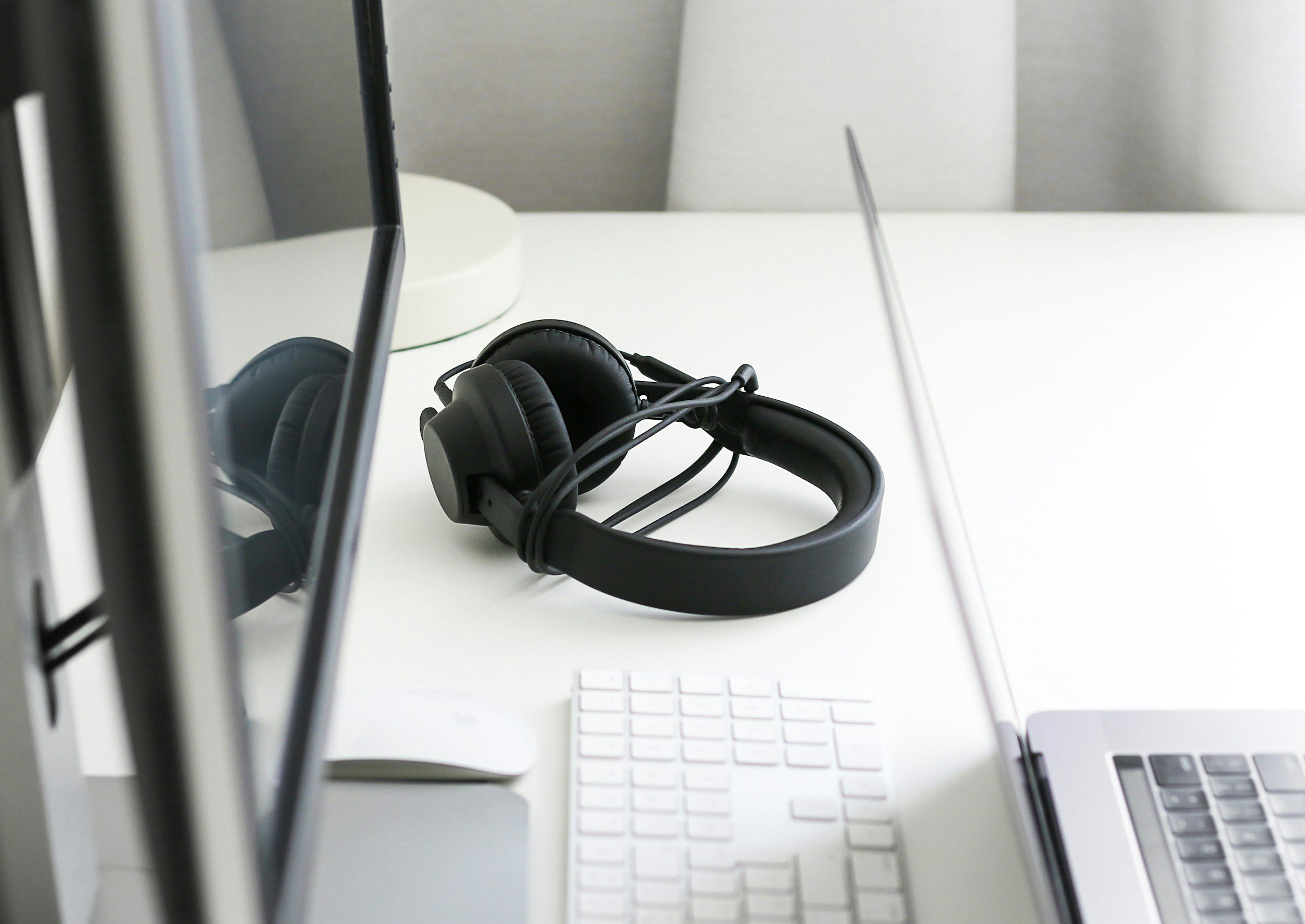
The guest’s voice is loud enough, yet the ends of the words are hard to catch. Turning up the headphones makes the room louder too. In a hypothetical interview at an American pottery studio, a correspondent can hear speech perfectly well across a communal worktable. A recorder in the middle of that table might hear a chair scraping, a ventilation fan and several reflections of every sentence.
The decision that will matter most to an overseas radio editor happens before the first question. Which room, chair and microphone position will let listeners follow this particular voice? A test with a speaking person gives a much better answer than a few taps on the microphone. It can also tell you which noises will recur long after the opening exchange.
Take a short listening walk
Stand at the proposed interview spot and listen through an ordinary pause in the workshop. Identify the sounds that continue, those that cycle on and off, and those linked to people moving. Ask the host when deliveries arrive and whether a class meets next door. A room that sounds quiet during introductions may change character halfway through a conversation.
Try a second location while you have access to both. A small room with bare walls can produce a hard, ringing sound. A larger one with curtains, rugs or stocked shelves may return less distracting sound to the microphone. The audio company Shure describes how nearby reflective surfaces and changes in talker distance affect recordings. Use those principles to make a comparison in the actual building.
Make a voice test in each room using the same microphone, distance and speaking level. Include a few seconds after the speaker stops. On playback, listen to how sharply the last syllable ends and whether you can understand a quietly spoken sentence. Keep one room name with each test so you can compare them after stepping away from the noise.
Move the microphone before reaching for more gain
Have a colleague tell a short story in an ordinary conversational voice. Place the microphone close enough to capture the words clearly without crowding the speaker. Compare that with the same voice from the middle of the table. Play the recordings at roughly equal listening loudness. The close position often retains more speech relative to the room around it.
Check which part of the microphone should face the talker. Some microphones receive sound mainly from an end and others from a side. A microphone standing upright in a handsome desk photograph may be pointed poorly for speech. Look at the maker’s markings or instructions, then test the effect of turning it while someone continues speaking from the same chair.
If you use a clip microphone, ask the guest to help find a comfortable position. Listen while they turn toward the correspondent, look down and move an arm. A collar, necklace or jacket edge can brush the capsule each time the guest gestures. A small change in placement before the interview may rescue a sentence that would otherwise be covered by a scratch.
Give the interviewer a place in the test
Decide whether the correspondent’s questions will be heard in the final piece. If so, test the two voices from their actual seats. A single microphone aimed at the guest may deliver a beautiful answer after a nearly inaudible question. If each person has a microphone, listen to each channel alone as well as together, and identify which is which for the desk.
If only one microphone is available, test an arrangement you can maintain for a full conversation. A handheld microphone can follow the speaker if the interviewer knows when to move it and can keep grip noise down. A stand avoids handling but may transmit knocks from a table. Put a notebook down, open it and turn a page during the test.
Use a brief exchange at the actual seats to set levels for both speakers. Include one enthusiastic phrase at the guest’s usual speaking distance. Watch the recording meter and listen for distortion at the loudest part. Leave room for an unexpected laugh. Follow your desk’s level guidance and the recorder’s scale. A dramatic meter reading from a quiet guest is less useful than a clear voice with space for louder moments.
Hear the file the editor will receive
Headphones may be monitoring a live input even when the recorder is saving a different source. Stop the test, select the new file and play it through from the beginning. Listen to each expected channel on its own. A mono recording can be entirely appropriate for one voice. For a split recording, confirm that each speaker reached the intended channel. A laptop’s built-in microphone can pick up an interview surprisingly well during a rehearsal and disappoint badly on a careful listen.
If a low hum remains, try moving the recorder and microphone away from powered equipment or into the other room. Change one thing at a time and make a fresh sample. If ventilation has to run for the workshop, work around it. A quiet corner with an audible, steady background may give the editor a better interview than a room repeatedly interrupted by passing voices.
Leave the desk enough room to listen
At the end, record a short stretch with everyone in their interview positions and nobody speaking. Identify the room in your notes. That recording lets an editor hear the background on its own and judge how two neighboring excerpts will sit together. Follow your outlet’s sound-editing practices before using ambient material under speech.
If the guest moves to demonstrate a tool, pause your indoor interview setup and listen from the new position. A microphone that was properly aimed at a seated person can suddenly be recording the workbench while the guest addresses the far wall.
Note interruptions against the recording’s elapsed time. If a dropped tool covered an important word, invite the guest to explain that point again while you are together. Keep the full answers. Send the original files, the microphone and channel arrangement, and the place in the recording where the guest gave the clearest account. The editor abroad can now listen to the potter’s explanation without having to reconstruct where everyone sat.
Shure, Introduction to Home Recording and Podcasting
