
Which Picture Is the Original: the RAW File or the JPEG?
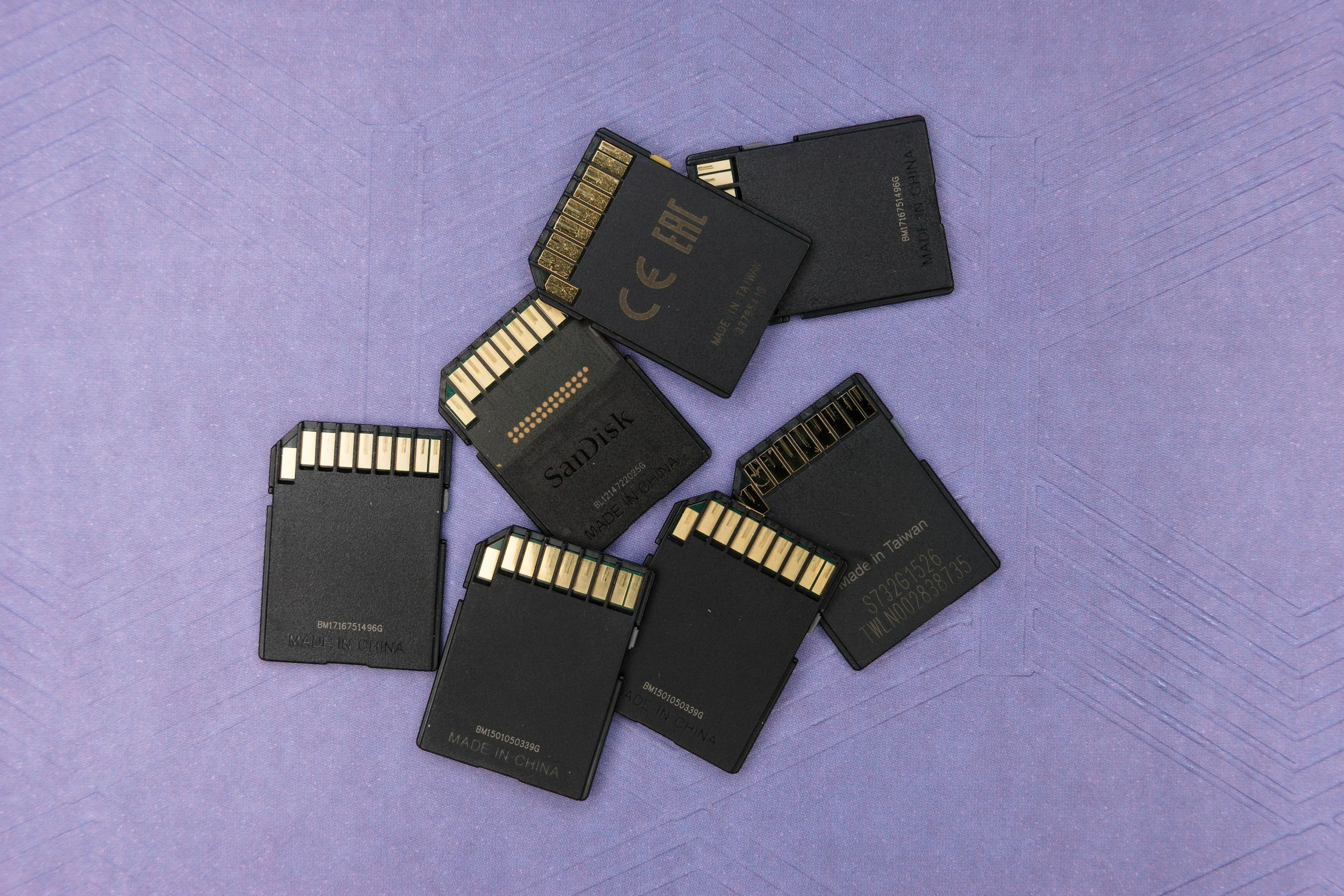
A correspondent photographs a craftsman's table and sends a JPEG to the desk. Later, an editor asks for the original because a bright reflection may obscure a mark on the object. In this hypothetical case, the camera recorded both RAW and JPEG files, but the reporter has kept only the smaller delivery folder. The question now concerns the record of the image, not simply its visible quality.
RAW and JPEG files can serve different roles in a reporting workflow. Neither extension alone proves that a scene is authentic or that an image has never been changed. What matters is preserving the camera files, understanding the processing and being able to explain how the publication copy was made.
Identify what the camera actually recorded
Check the camera's settings before the assignment and inspect a test capture afterward. Some cameras can record RAW and JPEG together; others offer different combinations or restrictions. Do not assume that a preview on the camera represents every file that has been saved. Consult the manual for the model and recording mode being used.
Nikon's documentation, for example, describes paired RAW and JPEG recording and explains that RAW processing converts the camera data into more widely supported formats. It also notes model-specific playback and deletion behavior. The practical lesson is to inspect the files after transfer rather than treating an attractive preview as proof that the complete recording set is secure.
Keep filenames and sequence relationships intact during the first copy. If two files correspond to the same capture, preserve that association. A later editor should not have to guess whether similarly named images came from the same exposure or from two neighboring moments.
Separate capture from rendering
A RAW file requires interpretation to produce a viewable image. Processing choices can include white balance and other rendering settings. A camera-generated JPEG already reflects processing performed in the camera. Nikon's guidance on Picture Controls illustrates that choices about rendering can affect the image's appearance before it reaches an editing application.
This does not make a JPEG inherently unreliable or a RAW file automatically neutral. It means that the workflow should identify which file is being discussed. When an editor asks for the original, clarify whether they need the camera-generated JPEG, the RAW capture, or both. Supply the relevant untouched files rather than a newly exported copy with a familiar filename.
For the craftsman's table, a RAW file may allow the editor to examine a different rendering of recorded detail. It cannot establish detail that was never captured. Avoid presenting an aggressive adjustment as proof of a mark whose presence remains uncertain without other reporting evidence.
Preserve an unaltered starting set
Copy the camera files into a clearly identified source location and make working derivatives separately. Follow the newsroom's storage and backup policy. The aim is that ordinary editing does not overwrite the only available version of a capture. A folder named originals is useful only if the workflow actually keeps its contents unchanged.
Verify the copy before clearing a card according to the newsroom's normal procedure. Open representative files, check that the expected file types and sequence are present, and confirm that important captures are included. A transfer message alone does not tell you whether the folder contains the full set you intended to preserve.
Retain related notes about time, place and subject. File preservation is only one part of provenance. The editor may also need to know why the picture was made, whether the scene was a planned portrait or observed activity, and which details were verified independently.
Record consequential processing choices
Use a workflow that preserves a reviewable relationship between source and output. Note meaningful adjustments such as exposure correction, white-balance changes, cropping and resizing. The level of detail should suit the newsroom, but it must be sufficient to answer a reasonable question about how the published image differs from the source.
Avoid treating normal software capabilities as automatic editorial permission. An application may allow objects to be removed, backgrounds to be replaced or details to be generated. Those operations raise different questions from preparing a faithful rendering. Follow the publication's visual standards and consult the editor when a change could affect the scene's meaning.
In the hypothetical table photograph, a reflection may be distracting but also part of what the camera recorded. Do not paint in a supposed mark beneath it. A second photograph, a direct inspection or an accurately described limitation may be the proper reporting response.
Distinguish a delivery copy from evidence
An export optimized for a website may have different dimensions, compression and metadata from the capture. Label it as the delivery version. Keep a record of which source file produced it. This lets the desk request a higher-resolution or differently sized copy without searching through visually similar frames.
Do not repeatedly use a previously exported JPEG as the starting point for new versions when the original working source is available. Return to the established source and processing workflow. This reduces confusion about which changes belong to which iteration and makes it easier to compare the final image with the recorded scene.
If the only file available is a supplied JPEG, describe that fact honestly. Ask the supplier about its origin and processing rather than inferring a complete history from the extension. A file can be useful while its provenance remains incomplete; the editorial decision should reflect the evidence actually available.
Make the record usable to another person
Before handing over an assignment, test whether a colleague can identify the capture, the working version and the published export. Include the source filename in the image log or delivery note. If the publication system renames the file, preserve the mapping somewhere the desk can retrieve it.
Keep the record according to the organization's retention and access rules, especially where unpublished material concerns sources. Preservation does not mean indiscriminate public sharing. The newsroom needs a controlled way to review the files when a question arises.
The strongest answer to which picture is original is a clear account of the capture and its derivatives. A correspondent who preserves both the recorded files and the decisions made from them gives the editor something more useful than a format preference: a defensible path from the scene to the image the audience sees.
