
Which Part of the Garden Went Into the Soil Sample?
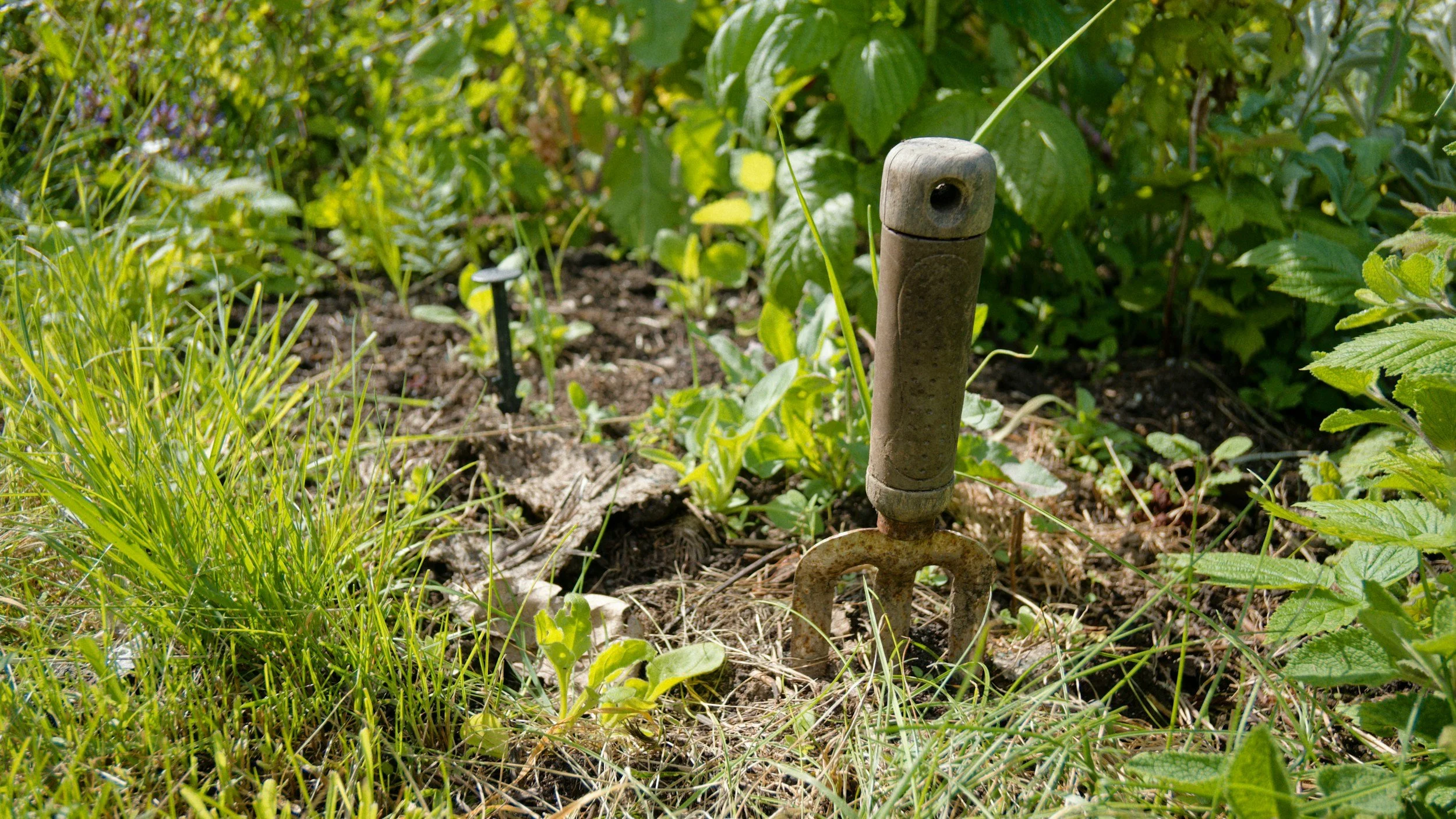
A bag of soil can become the centerpiece of a community-garden feature. It looks like a tangible piece of evidence, and the laboratory result arrives with precise numbers. Yet the most important reporting may happen before the bag reaches the laboratory: which places were sampled, how deeply, and for what purpose? International correspondents can tell a much better story by following that chain than by treating one result as a description of every bed in the garden.
Define the question the test was meant to answer
Ask the gardener or project organizer why the sample was collected. A routine fertility test and a targeted investigation of a particular substance are different assignments. The University of Minnesota Extension explains that its regular garden test reports characteristics including pH, organic matter and certain nutrients, with other tests available separately. Do not imply that every laboratory package checks for every possible concern.
Obtain the request form or test order as well as the results. Match the requested analyses to the claims in the proposed story. If the article concerns a specific issue that was not tested, say so and seek the appropriate source. The existence of a laboratory report should not create confidence about questions outside the report's scope.
Draw the sampled area before interviewing the numbers
Make a simple map of the beds, paths and other areas discussed in the feature. Ask the sampler to identify where material was collected. The Minnesota laboratory's instructions distinguish relatively uniform areas from areas that should be sampled separately, and advise against combining lawn and garden soil in one composite sample. That provides a useful reporting question about how the sample represents the site.
In a hypothetical garden, material from several vegetable beds may have been mixed together while a new raised bed was excluded. The result should be described as representing the sampled area under that procedure, not the entire property. Record the boundary in plain language that a picture editor can use when captioning an overview photograph.
Do not reconstruct a sampling map from memory if the person who collected the material has a dated record. Ask for the record and note any uncertainty. A sample identifier on a bag can connect the location notes, request form and final report. Preserve that identifier through the reporting process so two bags from different areas are not accidentally exchanged in the narrative.
Ask about depth and collection procedure
Sampling depth is part of the method, not a minor detail. The university laboratory gives different instructions for different purposes. A correspondent should ask which instructions were followed and why, rather than assuming that soil taken near the surface answers the same question as material collected deeper in a bed.
If observing a collection, describe the actual procedure without turning the article into an improvised sampling manual. Record who provided the protocol, what tools were used and how the material was labeled. Readers can then understand the work involved while seeking the relevant laboratory's current instructions for any sampling they plan themselves.
Avoid arranging a collection simply to obtain an attractive photograph and then treating it as the documented sample. If a demonstration is staged for the camera, label it as a demonstration. The reporting record should distinguish the material actually analyzed from the trowelful that illustrates the process after the result has already arrived.
Understand what a composite can and cannot show
A composite sample combines material from selected points. It can answer the question the sampling plan was designed to address, but it does not preserve a separate measurement for each contributing point. Ask the laboratory or sampling specialist what spatial inference is justified by the plan. Do not draw a detailed map of differences among beds from one mixed result.
For the hypothetical garden, imagine a grower wants to know whether one poorly performing corner differs from the rest. A result from a mixed sample that includes several areas cannot identify that corner's value on its own. The reporter can explain why a more targeted question needs a suitable sampling design, without prescribing a test or claiming to diagnose the plants.
Read the result with the sample history beside it
Check the laboratory's units, methods, qualifiers and explanatory notes. Compare the result with the requested analysis and ask whether any collection or handling issue affects interpretation. A precise number is still a result from a particular sample under a particular method. Its decimal places do not expand the area it represents.
If the story compares years, ask whether the sampling locations, depths, season and test methods were comparable. A change in the result can be interesting without proving a change across the whole garden. Seek an explanation that considers the sampling history before attributing the difference to a new practice or a single amendment mentioned by an interviewee.
Keep recommendations in their original context. A laboratory may provide guidance for a stated crop or intended use. Do not recast that as a universal instruction for readers in other regions or with different growing conditions. For an international audience, explain the local setting and the purpose supplied on the form so the recommendation is understandable as part of the story.
Give the garden a story larger than the bag
The sampling visit can reveal how volunteers divide work, keep records and make decisions about the next season. Those observations can carry the feature while the test result provides a carefully bounded piece of evidence. Interview people about what they expected, what the report clarified and which questions remain unresolved.
Before filing, compare every broad phrase with the map of the sampled area. Replace claims about the garden's soil where the evidence supports only the tested beds or one composite. A clear description of how the bag was filled gives readers more confidence in the reporting than an impressive number detached from the place and procedure that produced it.
University of Minnesota Soil Testing Laboratory: Sampling
University of Minnesota Extension: Soil Testing for Lawns and Gardens
