
Where Does One Tune End in a Jazz Set?
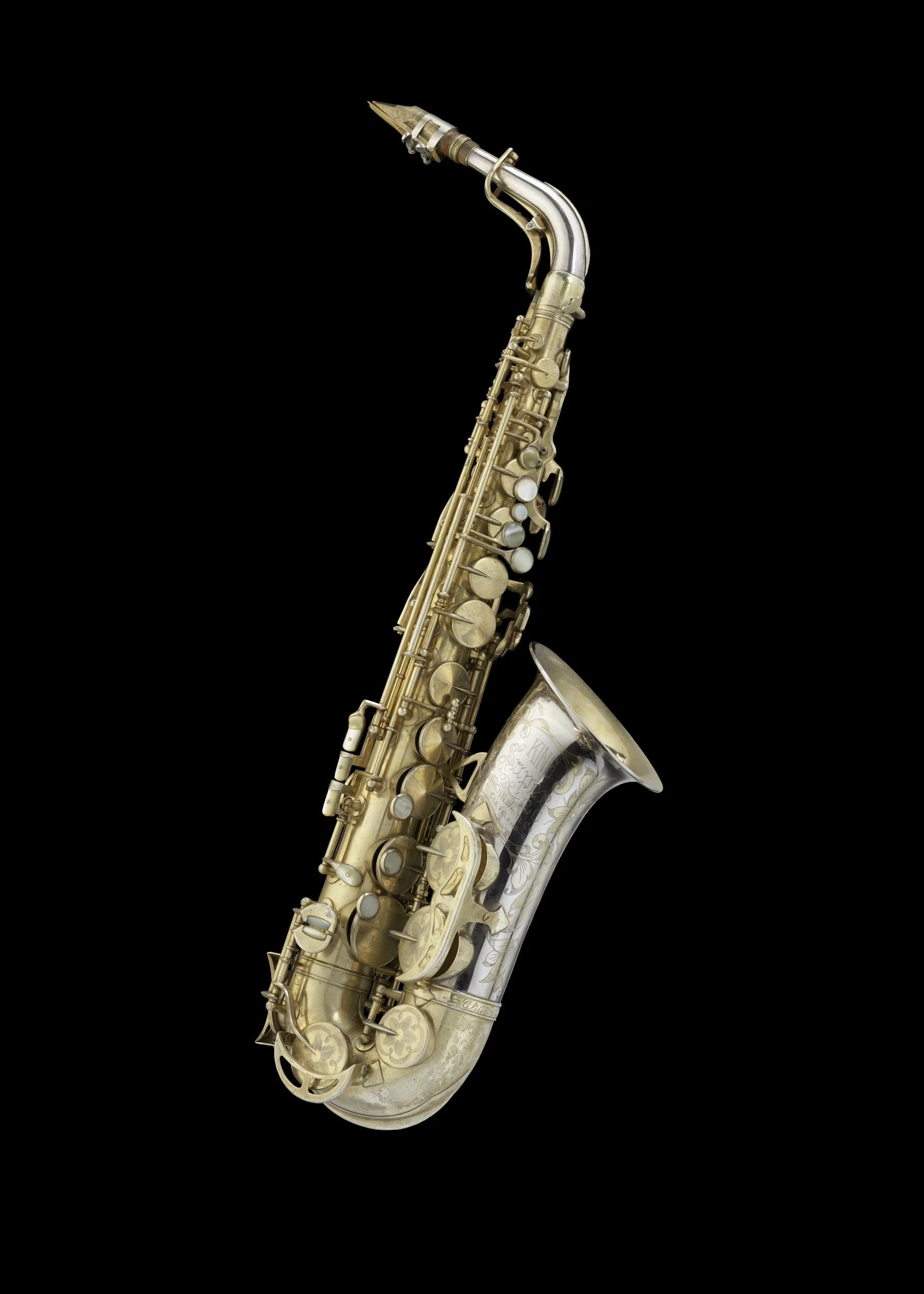
A jazz performance can move from a recognizable melody into a long sequence of solos and return to the melody without stopping. A listener unfamiliar with the form may record several pieces where the musicians consider there to be one tune. Another may hear a brief quotation and mistake it for a new item in the set. For a correspondent, careful notes begin with that possibility.
The aim is not to become a music theorist before filing a cultural feature. It is to distinguish what you heard from what you have identified, and to ask musicians questions precise enough to resolve the difference. A reliable account can explain the experience vividly without claiming that every change in texture marks a new composition.
Keep a time-based listening log
Record the venue, date, set and personnel announced for the performance. Note approximate start times for pieces, spoken introductions, changes of soloist and clear breaks. Use descriptions you can defend: the pianist began alone, the saxophone entered after the melody, or the drummer changed the texture. Leave a title blank if you are uncertain rather than filling it from memory.
A hypothetical log might show a melody at the start, several solos and the same melody returning near the end. That sequence provides a useful question for the bandleader. It does not establish the title by itself. Keep the observation separate from the identification so a later correction does not erase the detail of what happened.
If recording is permitted and agreed, mark useful time codes. Otherwise rely on notes and follow-up questions. Do not assume that buying a ticket or holding a press credential authorizes an audio recording. The reporting process should respect the venue's and performers' arrangements while preserving enough information to verify the description.
Learn two terms that prevent common mistakes
The Herbie Hancock Institute of Jazz's Jazz in America materials describe the head as the composed melody and a chorus as one passage through a tune's form. Its lesson describes a common sequence of melody, improvised solos over the form and a return to the melody. These concepts can help a reporter hear continuity beneath changing performers.
Treat that sequence as a useful model, not a compulsory recipe for every jazz performance. Ask how the particular piece was organized. A composition may use another structure, and musicians may move between pieces without a conventional pause. The educational point is to improve the questions you ask, not to force the evening into a pattern learned from a glossary.
When writing for readers who use chorus to mean a group of singers, explain the musical sense briefly if it is needed. Alternatively, describe the repeated form in ordinary language. Terminology should make the performance easier to understand, not become a barrier between the audience and the scene.
Confirm titles and composers after listening
Ask the bandleader or designated representative for the actual set list, including changes. A planned list can differ from the performed sequence. Match each title to your time-based notes and ask about any transition that remains unclear. Verify spelling and composer credit through the musicians' documentation or a reliable catalog when the information is central.
A quotation of a familiar melody during a solo does not necessarily mean the band performed that entire tune. If you want to mention it, confirm what you heard and describe it as a brief quotation when that is accurate. Do not add it to a set list as a separate full performance simply because the fragment was recognizable.
In a hypothetical medley, two compositions may be connected by an improvised passage. Ask how the musicians identify the sections and who prepared the arrangement. The answer can explain the creative choice more effectively than a confident but unsupported statement that the group abandoned one song and invented another on the spot.
Distinguish improvisation from absence of preparation
An improvised passage does not mean that nothing was planned. Musicians can work within agreed forms, arrangements and cues while making decisions during performance. Ask what was fixed and what remained open in the piece you are describing. Avoid romantic shorthand that erases rehearsal, shared knowledge or the composer's contribution.
A useful interview question points to a moment: what guided the transition after the bass solo, or how did the ensemble agree to return to the melody? Let the musician explain in accessible terms. Attribute that explanation, especially when it concerns intentions or decisions you could not observe directly from the audience.
Do not infer a mistake from a surprising sound. A dissonance, delayed entrance or abrupt change may be deliberate, spontaneous or something else. You can describe its effect on your listening without claiming knowledge of the cause. If the cause matters to the story, ask rather than turning uncertainty into a judgment about competence.
Track interaction beyond the featured solo
Listen to what the other musicians do while someone solos. The accompaniment may change density, rhythm or emphasis. Jazz in America's glossary describes concepts such as call and response and comping that can help frame these observations. Use them only when they accurately describe the moment and can be explained to a general reader.
Avoid treating the ensemble as a soloist plus anonymous background. Confirm names, instruments and roles for the particular set, especially when guests appear or players substitute. A photograph from another night should not supply the personnel for the performance you attended. Keep the caption tied to the actual image and the review tied to the actual event.
Write a scene that survives verification
Choose a moment your notes support and describe the sequence of sound and response. Identify the tune only after confirming it. Separate your impression from a musician's explanation of the structure. Readers can appreciate both, provided the article makes clear which is observation and which is reported information.
Before filing, read the piece names, composer credits and personnel against the confirmed set list. Remove any implication that a common jazz form applies universally. The strongest cultural reporting lets an overseas audience follow the conversation among musicians while keeping the underlying facts stable enough that the performers would recognize the evening being described.
Herbie Hancock Institute of Jazz: Jazz in America, Jazz Form
