
When the Museum Changes a Date You Already Corrected
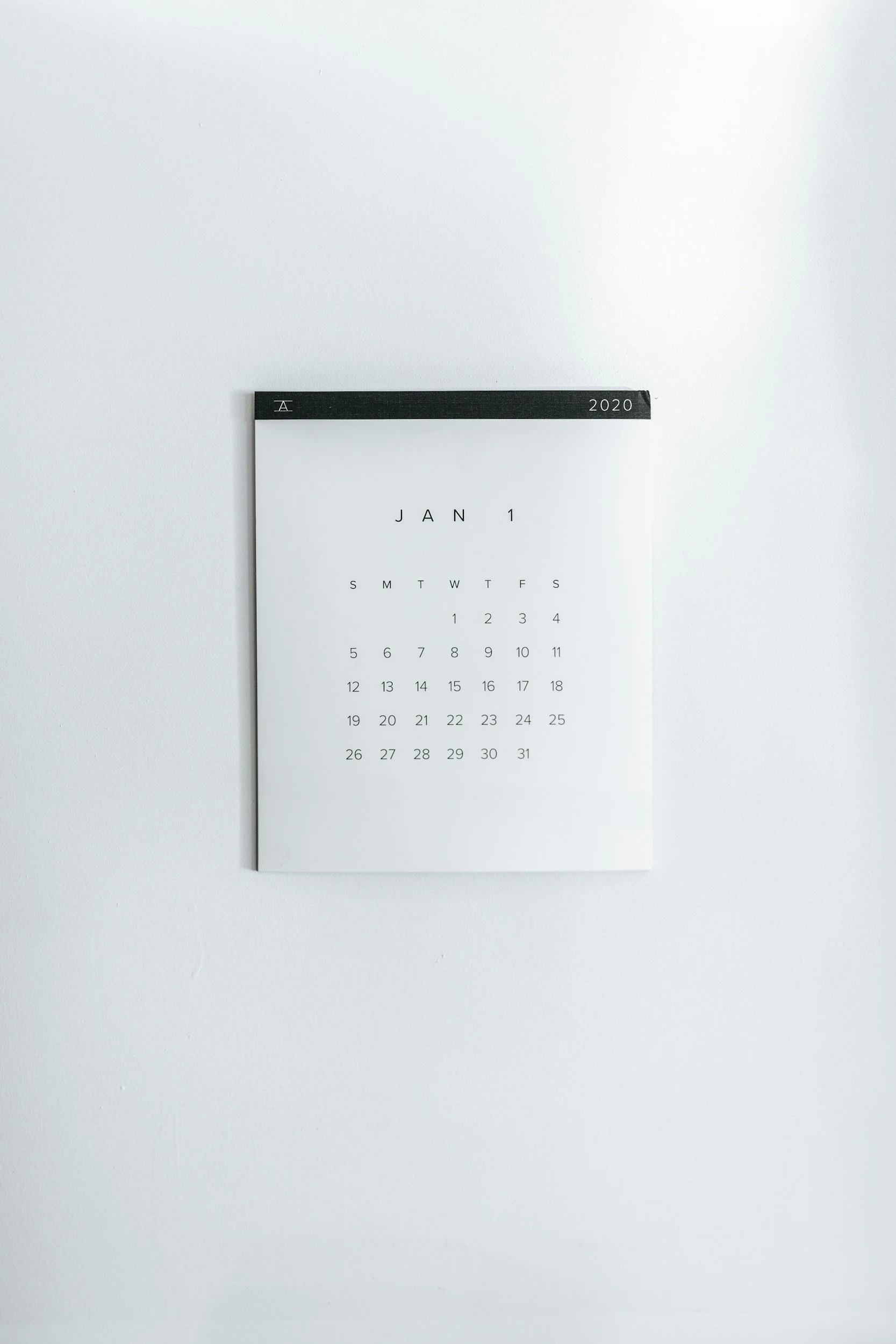
A museum story says a newly restored telescope will be displayed on Friday. The reporter discovers that the museum’s notice always said Saturday. While the web editor fixes the day, a social card saying Friday continues to circulate. Meanwhile, a separate announcement moves the opening from Saturday to Sunday. A reader arriving late can encounter three different dates, each with a different history.
This hypothetical U.S. museum assignment contains both a reporting error and a subsequent change of plan. For a correspondent filing across time zones, the difference can disappear in handovers. Keeping it visible requires a public explanation of the material error and a working record that lets each desk trace what was published, where and when.
Establish what readers were told
Save the relevant wording and publication time when a possible error is raised. Locate the original notice, check its date and confirm which event it described. A museum might open the building on Friday while unveiling the telescope on Saturday. The distinction matters before anyone decides that a particular headline or social post was wrong.
Find out what the museum had announced at the time of publication. If the notice always gave Saturday, Friday was an error in the article. If the original notice said Friday and the museum later changed the day, the article may have been accurate when filed. A new notice can establish the current schedule while leaving the earlier question unresolved.
Record the evidence for each conclusion and who checked it. Where a foreign desk translated the reporting, compare the sentence sent by the correspondent with the translated edition. A mistaken weekday could have entered during reporting, translation, headline writing or graphic production. Identifying where it entered helps locate the other versions that inherited it.
Correct the account where people read it
Change the inaccurate information in the article so a new reader encounters the correct fact in the place where it matters. Look beyond the affected paragraph. A headline, summary, caption, map label or graphic may repeat the day independently. Correct each material occurrence, then label the note as a correction and tell readers which day the earlier version gave and what the original museum notice actually said.
Use an appropriate date and time if the sequence matters. A model correction note for the first stage of the exercise could say that an earlier version gave Friday as the display’s opening day and that the museum’s original announcement specified Saturday. The wording identifies a specific error without asking readers to work out what changed by comparing archived pages.
If a subsequent notice moves the opening to Sunday, update the working date in the article again. Explain that the museum subsequently postponed the display and preserve the history of the original correction. Someone who saw Saturday after the first fix should be able to discover why the page now says Sunday and which change came from the museum.
Follow the wording into each social version
Build a short list of what was distributed. The post linking to the story might have an independently written introduction. A vertical video might put Friday in text on the picture. A newsletter or a partner account may have copied the headline at publication. Record the addresses or distribution identifiers alongside the language and time zone of each edition.
For every item, ask what readers can still see and what the platform lets your desk change. Some captions can be edited. Text baked into an image or video can persist after its accompanying caption changes. AFP Fact Check describes publishing corrections in the affected channel and replacing incorrect posts in formats it cannot edit. Apply your newsroom’s policy to the format in front of you.
Make the correction visible to people who encountered the bad information in that feed. A corrected article linked from an unchanged post can still leave them with Friday if they never click. Label replacement material clearly and connect it to the corrected article where possible. Keep a private reference to what was superseded so a night editor can recognize older screenshots.
Hand over actions as well as facts
Give one editor responsibility for tracking the distribution list through the handoff, using whatever system the desks already share. Record which item needs a change, who can make it, what wording was used and whether someone has checked the result. An editor may be able to update the main site but need a colleague on another shift to replace a translated video card.
Send partners the corrected fact and the reason the earlier version requires attention. Include the original story identifier and enough information to locate the relevant edition. Where a partner publishes independently, record the notice sent and any reply. It is more accurate to tell the next shift that a partner was notified than to mark its article corrected without checking.
Put the pending items at the top of the shift note. A producer opening a crowded inbox needs to know that the web page is correct but the overseas afternoon newsletter has yet to go out and still carries the old subject line.
Give the difference between an update and a correction particular attention during translation. A general term for revised can leave a listener or reader unsure whether the event changed or the newsroom made a mistake. Ask the local-language editor to preserve the actor and sequence in ordinary words. Those details survive differences in house labels.
Revisit the public story as a reader
Open the corrected page, the shared preview and the social item in the form readers receive. Check the thumbnail or card after the page update, since it may still show an earlier headline. Review the translated version on its own. Check the weekday against the calendar and give the local event date explicitly when readers abroad could cross midnight.
The Associated Press describes informing audiences and subscriber editors when correcting mistakes. That principle gives the final check a clear purpose. A reader holding any of the museum dates should be able to find the present plan and understand how the earlier information arose. The night desk should be able to do the same without waking the correspondent who first spotted Friday.
Agence France-Presse Fact Check, Corrections
The Associated Press, Statement of News Values and Principles
