
When the Actor’s Name Vanishes From the Archive
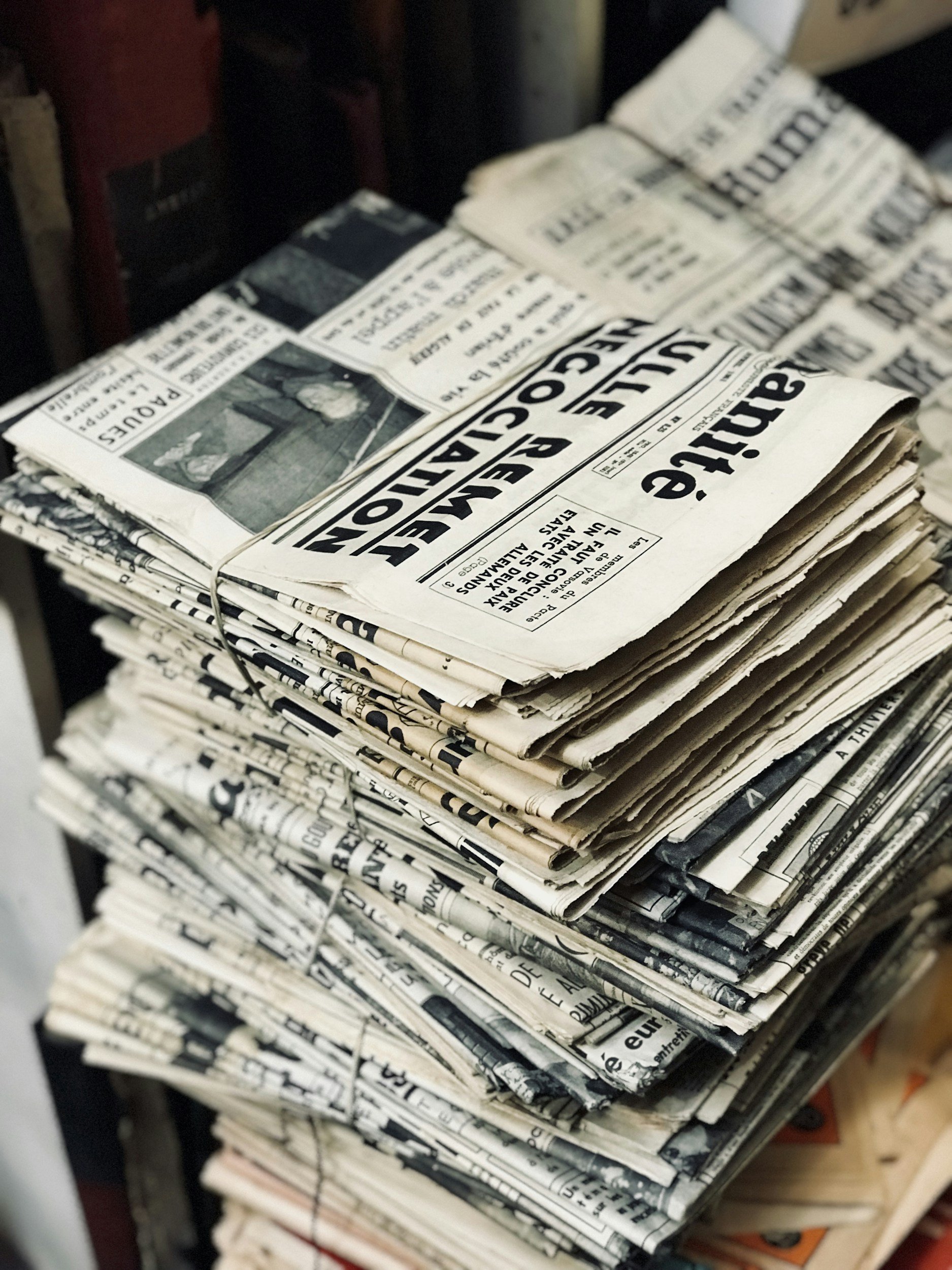
A family collection contains a program for a touring American theater production. Suppose a correspondent hopes to establish whether a performer from the home country actually appeared in a particular U.S. city. An exact-name search of digitized newspapers produces no results. The stage name has an accent, the program uses an initial, and the newspaper printed its arts listings in narrow columns.
The next search should follow how the event was likely to appear on the page. A paper might use the show title, theater name or booking manager. Software might misread even a perfectly typeset name. A sensible search can establish that a performance was advertised, reviewed or canceled, with different evidence for each conclusion.
Check which issues could contain the answer
Open the title record for the local newspaper and inspect the dates actually digitized. The Library of Congress’s Chronicling America collection contains selected newspaper pages. Its title information and calendar view can help a reporter distinguish an available issue from a gap in the digital run. Save the title, publication place, language and period covered.
Look up alternative titles and local competitors. A city could have a morning and an evening paper, a weekly serving a language community or a newspaper that changed its title between two runs. Ask a local librarian which paper ordinarily published theater notices in the period. Readers may find an answer in the publication that covered their own diaspora rather than the city’s biggest daily.
Use the proposed performance date to build a search window. Advertisements might have appeared several days before the show and a review afterward. A weekly could report the event in its following issue. If the calendar has a gap on opening night, write that down before an unsuccessful text search turns into an assertion that the paper ignored the visitor.
Give the search several ways to succeed
Make a small list of terms from the program. Include the performer’s full name, surname without an accent, initials, alternate stage spelling, production title and theater address. Run simple searches first and note which terms retrieve the right city and season. A single exact phrase containing every clue makes one misread character capable of hiding a useful page.
The Library of Congress describes advanced options for all words, an exact phrase and words within a selected distance. Test a distinctive surname near a theater name when either term alone is too common. Try the venue with a day of the week if the performer’s name fails. A page may contain two search words in unrelated columns, so inspect each match in context.
Search one variable at a time. If changing the name spelling and removing the year together returns a result, it is harder to tell which change helped. Keep a note of useful false leads too. A second performer with the same surname in a neighboring city can explain why so many early matches looked persuasive.
Read the printed page behind the searchable text
Optical character recognition converts marks in the scanned page into text. Column boundaries, damaged paper and decorative type can cause recognition errors, as the Library of Congress illustrates in its research materials. A computer-generated letter can send a search in the wrong direction. Its transcription also may run the bottom of one column into an unrelated item.
Open a page image and compare it with the searchable text at a line you can read. If a distinctive letter combination repeatedly becomes something else, try that particular error as a search term. Use the technique where the observed typeface or page condition makes it plausible. Generating dozens of arbitrary misspellings quickly produces more possible matches than evidence.
When the name sits in an illustrated advertisement, browse the likely pages directly. Look at the same newspaper the week before to learn where listings appeared. Turn through the relevant section of the target issue, including continuation pages. A page that software barely recognized can still be perfectly legible to a reader who knows where to look.
Separate editions, advance notices and reviews
Check the masthead, printed date, edition and page number on the image. Some viewers number digital images consecutively through an issue. That number can diverge from the printed folio, particularly with inserts or unnumbered pages. Record both if they differ. Save a full-page reference and a legible crop containing the item and its heading for your editor.
Read the tense and look for the origin of the copy. A Friday advertisement may promise an appearance the following Monday. A Tuesday review may discuss the understudy who performed instead. A syndicated announcement printed in three towns still reflects one underlying source. Identify what each dated edition actually reported before counting mentions as corroboration.
A period phrase such as “last evening” depends on the paper’s issue date and publication schedule. It can also survive unchanged in a reprint days later. If the exact performance date matters, check the theater’s program, a dated local review or another independently produced record. Preserve unresolved discrepancies in the notes instead of silently choosing whichever date suits the narrative.
Make a negative search reproducible
Send the desk a short search log naming the collection, titles, date windows, terms and issues browsed by hand. Identify missing issues and unreadable pages. A bounded finding might say that the digitized issues examined contain a billing for the performer but that the reporter has yet to locate a review confirming an appearance. That gives readers a result and another researcher a place to start.
Ask an archive whether it holds microfilm or an undigitized edition for the missing dates. A playbill collection, theater ledger or personal diary might provide a different route to the same evening. Keep the digital page citation with the published feature if the advertisement is the evidence you ultimately use. Years later, readers should still be able to see the promise the newspaper printed and understand how far it takes the story.
Library of Congress, Tips for Searching in Chronicling America
Library of Congress, Newspaper Title Information and Calendar View
Library of Congress, Chronicling America for Historical Research
