
When Does a New Apartment Count as Built?
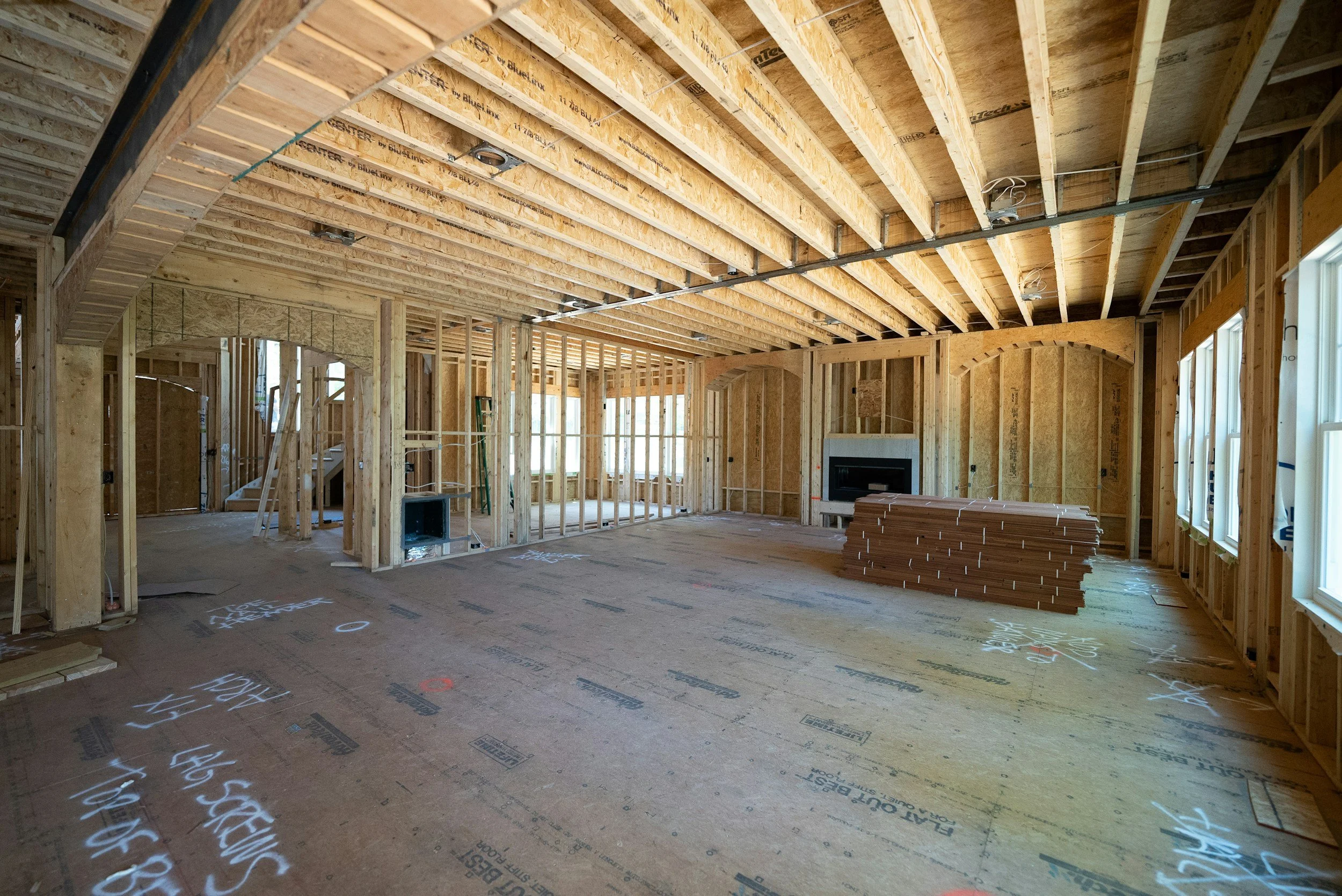
By the time a tenant carries a lamp through the lobby, an American apartment building may already have figured in several different housing stories. It appeared when an office authorized construction, when excavation began and when apartments became available for occupancy. Those moments can fall in different years. The word “built” in a dispatch tells a reader very little about which moment the reporter actually saw.
For an international correspondent, the monthly US New Residential Construction release offers a way to describe these stages using consistent terms. It also presents a translation problem. A permit might be a stamped sheet of paper, a start is an event on the ground, and a completion is a statistical determination. All three can be reported in housing units. One building can therefore move a table by several dozen units at once.
Read the document from the permit office
Look for the exact action on the first piece of paperwork. Did the local authority receive an application, approve a design or issue the building permit? For a comparison with the federal permits series, identify new privately owned housing units authorized by building permits. A list of every permit issued for residential work might include roofs, alterations and other jobs that add no new home.
Ask for the number of structures and the number of housing units authorized. A single permit document for a building containing forty-eight apartments could authorize forty-eight housing units. An editor who writes about forty-eight building sites would multiply the physical footprint of the project. A site drawing or a written description from the permit office can establish whether the document covers a single structure or several buildings.
Read the address field carefully. An apartment development can acquire a street address different from the parcel description in the earliest paperwork. Keep both identifiers with the permit number. They will help when the construction manager, the permit office and the leasing agent refer to the same project by three different names.
Put the start below ground
Under the Census Bureau’s Survey of Construction definition, a start generally occurs when excavation begins for the footings or foundation. A dedication, a photograph of officials holding shovels or a fence around a vacant lot provides little evidence for that particular date. Ask what the excavator was doing and whether the work served the building foundation. Establish the date from someone or something that can document the job.
In a hypothetical project, a city issues a permit for one privately owned, forty-eight-unit apartment building in March. A contractor starts excavating for its foundation in June. The project contributes forty-eight authorized units in March and forty-eight starts in June under those definitions. It adds one building to the skyline, and the apartments count as starts together. There are still no completed units in this example.
If a developer also owns the adjoining parcel, resist counting the next phase along with the active one. A photograph can make the entire block look like a single job. Check which structures the permit covers and where foundation work has actually begun. A release describing an eventual two hundred homes and a permit for forty-eight can both be accurate descriptions of different stages and scopes.
See how completion is defined
For a privately owned building with two or more units, the bureau counts all units as completed when at least half are occupied or available for occupancy. Return to the example. If twenty-four apartments in the forty-eight-unit building are available for occupancy in February, the building meets that threshold. A statistical report can count forty-eight completions while workers are finishing details in other apartments.
For a house, the bureau’s definition generally looks to installation of finished flooring, including carpeting where applicable, or occupancy if it occurs earlier. Ask the local building office what its own completion or occupancy document certifies before treating the date on it as the federal milestone. If the feature follows a particular tenant, keep the date they collected their keys as a separate, verifiable event.
None of these stages establishes a rent or a sale price. Ask for a lease offer, price sheet or other evidence if the pitch concerns what the new homes will cost. Even a brochure with a starting rent needs a unit size and a date attached. An available studio and an occupied two-bedroom apartment can belong to the same completed building and answer quite different questions for readers.
Translate the pace into a sentence
The headline figures in the national release often express a seasonally adjusted annual rate. Suppose a hypothetical month has a seasonally adjusted level of 120,000 starts. Multiplying by twelve gives an annualized pace of 1.44 million. A sentence can describe construction starting at that annual rate during the month. For the actual unadjusted estimate of starts during those calendar days, use the corresponding unadjusted table.
Do not add twelve monthly annual rates to get the year’s total. Look up the published annual figure for that question. When reporting a change from last month, check whether the comparison uses the latest revision for the earlier month. Keep the geography visible too. A national pace can put a local construction site in context, but it cannot describe how many apartment projects started in a particular city.
Follow one project across the release dates
A month with more completions than starts need not contain a puzzle. The completions may belong to projects that broke ground months or years earlier. Subtracting one month’s authorizations from that month’s completions cannot tell you how many permits in that group reached the finish line. For a question about construction time, seek records that follow the same projects across their milestones.
Send the desk a short chronology for the featured building with a document or named source behind each date. Give the monthly national figures in a separate sentence with their unit, period and adjustment. Readers can then follow both a concrete event, such as the first tenant moving in, and the much larger count to which the building contributed.
U.S. Census Bureau, Survey of Construction definitions
U.S. Census Bureau, New Residential Construction
U.S. Census Bureau, How the Survey of Construction collects data
