
When Do the First Strawberries Reach the Market?
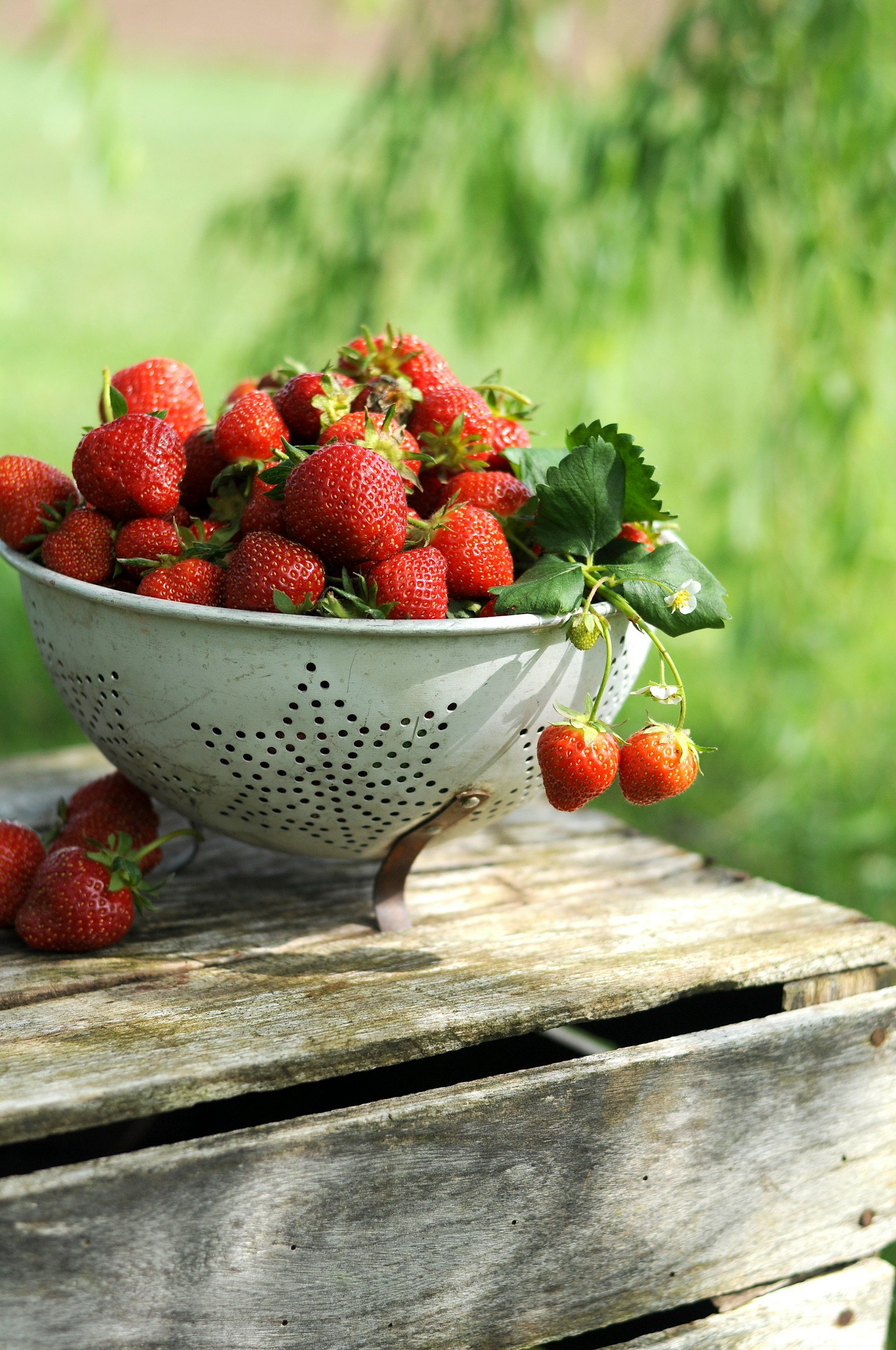
A basket of strawberries lands on a trestle table before the market opens. By the time a correspondent walks back with a photographer, the basket is empty. A picture taken on the first pass could suggest abundance. A picture taken on the second could suggest scarcity. Between the two visits, someone may simply have bought the berries.
Imagine that scene at a weekly market in a temperate farming district. The reporter wants to explain to readers abroad when strawberry season begins. There are several possible beginnings. A grower picks enough ripe fruit to taste, later packs enough for a stall and eventually has enough to supply regular orders. Which beginning will the story describe?
Follow the fruit to a named farm
At the table, ask who grew the berries in that particular basket, where they grew and when they were picked. The name over a stall can identify the business selling the fruit. A reusable crate may carry the name of a previous owner. A farm address on a leaflet could be the office where the grower receives mail. Find the growing site before describing the land around it.
A vendor may be able to identify the grower immediately and still need to check the picking date. Record the answers separately. Ask whether the lot includes fruit from more than one field or supplier, and whether another delivery is due. If two varieties share the table, find out which one you tasted or photographed. Their arrival dates may differ even on the same holding.
Ask the market manager how vendors describe the origin of produce and what practices this particular market permits. A cooperative stall can be a good place to meet several growers. It can also lead you to count a single grower twice if another stall sells fruit from the same farm. Build your account around the farms you can identify.
Ask what the grower means by early
Take a seemingly simple question back to the grower. Early compared with what? A first picking can be early for that variety on that field, early compared with last year’s first market delivery, or early in the sense that shoppers bought everything before breakfast. Put each comparison into a full sentence and see which one the grower recognizes.
Ask how the fruit was grown. Did it ripen in the open or under cover? Was this the first marketable picking from an established bed or a small trial of a different variety? The University of Minnesota Extension describes how structures such as high tunnels shelter crops and can extend the growing season. A tunnel could be central to the story even when the stall looks much like its neighbors.
The reverse problem appears at an apple stall. A local orchard can still be selling apples it harvested months earlier. If a reporter wants to describe a crop being picked now, ask which varieties are coming off the trees and which are coming out of storage. Readers who live in a different climate may otherwise take a winter market display as a guide to when the local trees bear ripe fruit.
Go back when the market is quiet
Build a small record of visits that another correspondent could repeat. Note the market, the date, the time you walked the stalls, how many open fruit stalls you checked and how many could identify locally grown strawberries for sale. If a stall is empty, ask whether it sold out, never carried strawberries that morning or expects a delivery. Record an unanswered question as such.
Try visiting near opening time on comparable market days. A second visit late in the morning can reveal how quickly the fruit moves through the market. If the first visit is on an ordinary weekday and the next during a weekend festival, write that difference down. You may have learned something interesting about visitors’ buying habits, while the underlying harvest question remains open.
Ask a grower for a dated delivery note, picking log or market sales entry from the previous season. Establish what its columns measure. The first invoice to a restaurant can fall days away from the first retail sale. If the closest comparable record is last year’s first delivery to this same market, that is already a clear and intelligible comparison.
Look beyond the Saturday stalls
For a wider story, decide what area the word region will cover. Mark the farms you have reached on a map. If they cluster on the valley floor, seek a grower on higher ground. Ask someone who supplies restaurants or sends fruit to a packing facility when their first commercial loads went out. Their absence from a public market tells you little about their fields.
At each stop note whether the grower can speak for their own fields or also compiles information from other farms. Two apparently independent estimates might both rest on a conversation with the same packing manager. Trace them back to the people doing the picking before treating them as corroboration.
A regional crop adviser can explain what growers usually mean by the harvest window and where reports come from. In the United States, the Department of Agriculture’s local and regional Market News pages also point to reports for selected markets. Check the reporting area, the date and the kind of sale covered. A wholesale auction, a retail stall and a survey of planted fields answer different questions.
Let the evidence set the size of the story
Suppose you can confirm a single farm picked a protected crop for the first time that week. A headline about that farm bringing its first berries to town gives the grower, place and timing room to matter. If growers in other parts of the district are still waiting, describe their experience individually and give the dates you reached them. Readers can follow the season as it unfolds across the landscape.
Send the picture desk a caption that identifies the variety, farm, market and date wherever you established them. A close photograph of ripe fruit records its appearance and presence at one stall. Pair it with what you learned about the field, the picking and the journey to town. An overseas reader can then understand why these berries appeared on this table on this particular morning.
USDA Agricultural Marketing Service, Local and Regional Food Market News
