
When a Checked Bag Fails to Appear
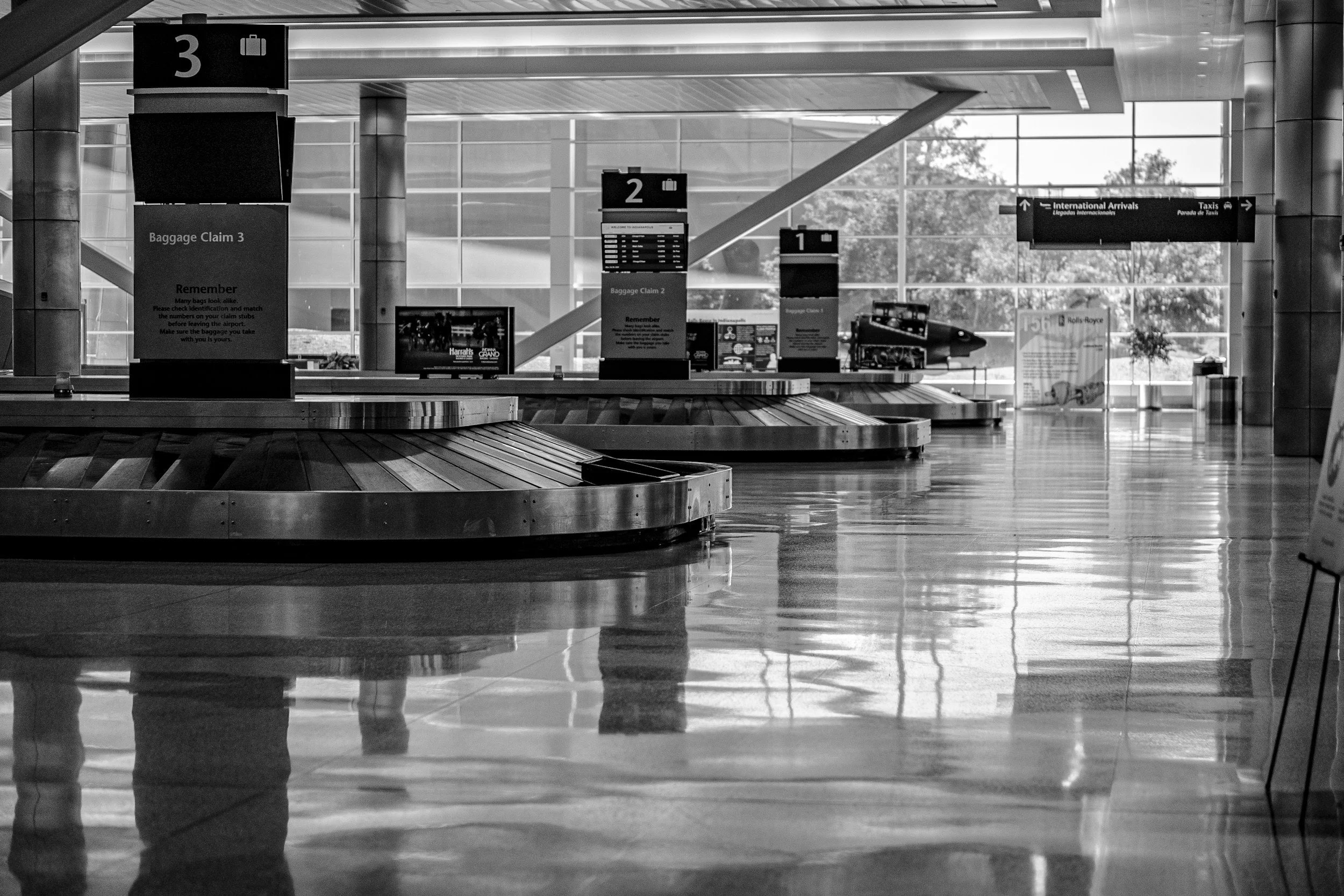
The carousel stops and an empty patch of rubber goes past one last time. A traveler still has the baggage receipt, a train to catch and no suitcase. A photograph at this moment tells readers what it feels like to be left waiting. The service story begins with what the traveler can do from this point, and with how a reporter will find out what happened after everyone left the terminal.
For a foreign correspondent, even the word “claim” requires care. Baggage claim can mean the hall where passengers collect their bags. A claim form may ask for the value of missing belongings. A reference number may simply show that a carrier opened a tracing file. Name the piece of paper or the action each time. Readers who arrive with a translation of the story should be able to tell which one they need.
Reconstruct the trip for one suitcase
Ask the traveler to begin at the counter where the suitcase was handed over. Record the airport printed on the bag tag, the flights actually taken and any change of aircraft or itinerary. Ask what the traveler saw when checking the suitcase and what airline staff later told them. A tag naming the final destination establishes what it says on the tag. It cannot establish where the bag spent the night.
Keep a short chronology with the local date and time beside each event. Flights may cross time zones or midnight. An airline message sent on Tuesday and read on Wednesday can otherwise look like two separate events. Mark the first report, each promised update, the last contact and the handover to the traveler. If all you know is when the traveler opened a message, record exactly that.
Describe the missing item accurately. A coat left in an overhead bin, a suitcase checked at a departure counter and a bag collected at the aircraft door can send travelers looking for different desks. Ask the carrier or airport which office handles the particular case. Get permission before consulting documents, and keep booking references, bag tag barcodes, addresses and phone numbers out of photographs and published screenshots.
Walk the distance to the desk
Trace the passenger's next steps at the terminal. Can someone see the airline's baggage office from the carousel? What happens when the office is closed? Does a posted code lead to a form that accepts a foreign telephone number? Where possible, follow the signs and open the form yourself. Stop before submitting anything. A reporter can describe a required field without opening a fictitious baggage case.
Write the instructions down in the order a tired passenger will encounter them. Include the terminal and a permanent landmark. If the official signs use a local term, print the wording a traveler will see alongside its translation. Ask the airline how someone who has already left the arrivals area can reach the baggage team. Confirm that any telephone number printed in the article can be called from abroad.
Count what the airline counts
For a worked example, open the baggage section of the U.S. Department of Transportation's August 2026 Air Travel Consumer Report. The monthly table in that issue compares June 2026 with June 2025. The dates on the cover and the dates over the figures answer different questions. A chart used alongside an airport story needs the observation months where the reader can see them.
The table gives the number of mishandled bags per hundred checked bags put aboard aircraft on the covered domestic services. Its category includes delays and damage as well as loss and theft of contents. Reporting airlines supply the figures, and the report explains which services and itineraries fall within their scope. A headline promising the odds that an international visitor's luggage will disappear would go well beyond those figures.
Choose the comparison that fits the question. An airline handling many bags may record more cases than another airline while recording fewer cases per hundred bags. Broad network totals can also include regional partners. Read the row labels before adding values together. An airport queue supplies a different kind of evidence again. Ask which flight each person took before describing a cluster of cases. People from separate arrivals may be waiting for the same desk, and several members of one family may all be there for a single suitcase. The table can give a traveler’s experience a wider setting while leaving open the quite separate question of how long that traveler waited.
Ask where delivery ends
In a hypothetical case, a carrier messages a traveler that the suitcase has arrived at the airport. The traveler has moved on to another city and receives the suitcase at a guesthouse the following evening. Both times belong in the story. Asking only when the bag was found would cut out another day of calls, a change of address and time spent waiting for a delivery.
When asking a carrier to respond, identify the event you want it to explain. Did its tracing desk locate the suitcase? Did a courier collect it? Did someone sign at the guesthouse? Seek the traveler's permission before sharing anything that can identify the case. If the carrier gives a general description of its procedures, attribute the account and seek the passenger's own evidence of the handover.
Check back before the headline is set
Call the traveler again close to publication. Establish whether the suitcase is still missing, has arrived intact, or arrived with something damaged or absent. If the carrier has declared it lost, establish when and how it communicated that decision. Headline verbs should follow the latest verified status. A social post written at the carousel can continue circulating long after a suitcase reaches its owner.
If the traveler bought clothes for the next day, ask what they actually spent, what the carrier offered and what has been paid so far. These amounts answer different questions. A receipt supports the purchase price. The passenger's expectation of a payment should remain attributed to them.
End with the detail a reader could put to work. Give the verified reporting channel for this carrier at this airport and link its own instructions for following a case after departure. Date the information. If the story returns to the passenger, say what finally worked or what information they were still waiting for when you last reached them. Someone searching from an arrivals hall will value that precision.
U.S. Department of Transportation, August 2026 Air Travel Consumer Report, Mishandled Baggage
