
What’s for Dinner? For You, It Could Be Better Health.

Dr. Dariush Mozaffarian has a proposition: enjoy delicious food, improve your chances of a longer, healthier life, and reduce an economic burden that globally runs into trillions of dollars.
As a cardiologist and director of Tufts University’s Food is Medicine Institute in Massachusetts, and as the author of the national bestselling book, Food is Medicine, he has devoted his career to understanding how food affects health. With more than 650 scientific publications, he has considerable evidence behind his enthusiasm.
At a recent talk, he made an argument that left me thinking we may be overlooking an enormous opportunity to relieve suffering while saving enough in federal health care spending to help make a dent in the US national deficit. To understand it, we need to travel back a century, when the science of vitamins was in its infancy.
In the early 1900s, pellagra was ravaging the American South. Its victims developed painful skin lesions, digestive problems and mental deterioration. By some estimates, 3 million people suffered from it and more than 100,000 died.
Doctors suspected microbes. In 1914, Joseph Goldberger was asked to figure out what was going on, and he quickly noticed something odd. In institutions, such as hospitals or prisons or orphanages, where residents suffered from pellagra, the people caring for them escaped it.
Goldberger suspected a different explanation: the staff ate better. When he improved residents’ diets, the disease retreated. He could demonstrate the remedy without identifying precisely what made it work.
Only later, in 1937, did researchers identify the missing component: niacin, vitamin B3.
That gap between knowing what helps and understanding exactly why is the intriguing part. Could we be living through something similar today?
Mozaffarian’s argument is that we know far less about food than a nutrition label suggests. A 2025 scientific review describes more than 139,000 chemicals found across foods, far beyond familiar vitamins, fats, proteins and carbohydrates. Scientists are still exploring their roles and interactions—the largely uncharted “dark matter” of nutrition.
When whole foods give way to heavily processed substitutes, in any country, what useful compounds—and combinations—might we be losing? Could some of today’s illness reflect missing protections we have not yet learned to name?
What if heavily refined foods have eliminated nutrients we need to prevent heart disease, obesity, diabetes and a whole host of other diseases?
We don't yet know what these factors are, but Mozaffarian encourages us to avoid highly processed foods while focusing on foods in the Mediterranean diet: vegetables, fruit, beans, nuts, whole grains, fish and olive oil.
It's not a diet of deprivation. He wants us to ask, “What are the foods that taste good and that I can enjoy?"
There's already scientific evidence for the value of this approach. In the large Spanish PREDIMED trial, people at high cardiovascular risk assigned to Mediterranean diets supplemented with olive oil or nuts had roughly 30 percent lower relative risk of major cardiovascular events than the comparison group.
If the world could improve our health through consuming fewer highly processed foods, the potential human and financial gains are extraordinary. In his 2024 US Senate testimony, Mozaffarian said that in one country alone, the US, an estimated 10,000 American deaths each week from poor nutrition, alongside $1.1 trillion annually in healthcare costs and lost productivity.
Even recovering part of those losses would mean more people well enough to work, more families spared the demands of serious illness, and more public money available for other needs. Over years, the opportunity becomes immense.
“Take the money and invest in food,” he urged.
A Tufts analysis projected that providing medically tailored meals to eligible in the US alone could avert about 1.6 million hospitalizations and save $13.6 billion in a year, even after paying for the meals. These kinds of savings could happen in many other countries as well.
Those are projections, but they suggest a practical way to turn the idea into better lives. Food can complement medical treatment while helping prevent some of the illnesses that make treatment necessary.
Goldberger did not need to have a name for the missing factor before curing pellagra by improving people’s diets. We, too, can improve our health before we know the names of the missing ingredients that are causing poor health.
Mozaffarian develops this vision in his book, Food Is Medicine. What excites me is the possibility of gaining so much at once: healthier lives, less suffering, and resources freed for other purposes.
And we get to enjoy delicious food along the way.
Mitzi Perdue is a science writer and war correspondent. She has reported extensively from Ukraine and is the co-founder of Mental Help Global, an initiative using AI to expand access to mental health support in conflict-affected regions.
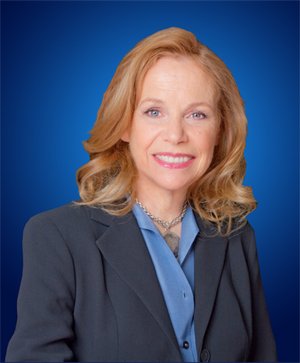
War Correspondent Mitzi Perdue writes from and about Ukraine. She is the Co-Founder of MentalHelp.global, an on-line program that will begin providing online mental health support in Ukraine, available on-line, free, 24/7.