
What the Reporter Saw Through the Bakery Window
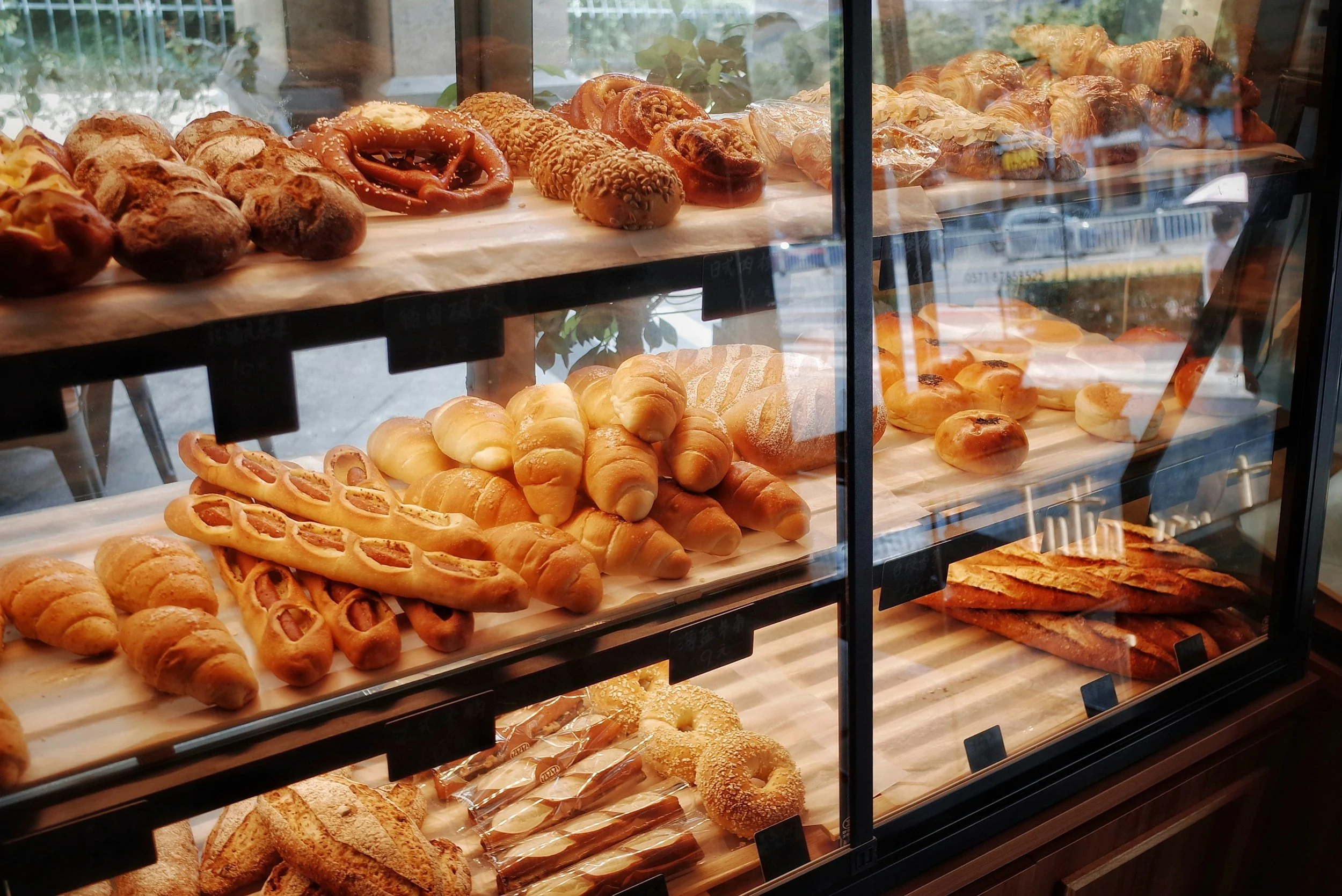
In this hypothetical reporting exercise, a correspondent stands outside a neighborhood bakery at 7:40 a.m. Six people wait near the door. One checks a wristwatch. Another leaves before the bakery opens. The reporter's first draft says impatient customers abandoned the queue because service was slow. Almost every interesting word in that sentence goes beyond what the reporter actually observed.
Field reporting becomes more useful when observation, testimony and interpretation remain distinguishable. This does not require lifeless prose. It requires enough precision to show the reader which details came through the reporter's senses and which explanations still need checking.
Describe an action before assigning a motive
Record the visible sequence: a person looked at a watch, stayed for several minutes and then walked away. The watch glance could mean impatience, a train deadline, curiosity about the time or something else. Unless the reporter asks and receives a usable answer, the motive remains unknown. An expressive gesture is evidence of the gesture.
Replace shorthand while the scene is fresh. “Angry man” might become “man raised his voice while pointing at the sign.” If the words were audible, preserve them accurately. If traffic drowned them out, note that limitation. A detailed description gives an editor more usable material than an emotional label that may have been supplied by the observer.
Mark three kinds of notebook entries
A simple notation can separate what you witnessed, what someone told you and what you think it might mean. Choose labels you will remember under pressure. For example, mark a direct observation with O, a source account with S and a reporting question with Q. Explain the system if another journalist will use the notes.
At the bakery, O might record six people by the door. S might record an identified customer's statement that the bakery usually opens at eight. Q might ask whether people are waiting for bread, a delivery pickup or something unrelated. The question belongs in the notebook because it guides the next interview. It does not belong in the story as an established explanation.
Give the observation its boundaries
Write down when you arrived, where you stood and when you left. A fifteen-minute visit supports an account of those fifteen minutes. It cannot establish what happens every morning. If a delivery truck blocked the doorway from view, record the interruption. A count of people visible from the opposite sidewalk may not be a count of everyone inside.
Identify the unit being observed. Six people standing near a shop are not automatically six customers or six households. Someone may be accompanying a buyer. Someone may be waiting for a colleague. The distinction matters if the scene later illustrates consumer demand. The visual fact can remain vivid without carrying a claim about categories the reporter did not establish.
Ask for explanations without supplying them
Approach a participant, identify yourself and explain the reporting purpose. Instead of asking why service was so slow, ask what brought the person there and what they were waiting for. If the person says the bakery had not yet opened, the original description of slow service may be inappropriate. The follow-up should test the interpretation rather than invite agreement with it.
Different participants may explain the same moment differently. A worker might describe a normal pre-opening queue while a visitor reports being confused by an old online schedule. Those accounts can both be relevant. Attribute each one and check the factual elements separately. A person is the primary source for their own explanation, but not necessarily for the entire scene's meaning.
Keep sensory detail proportionate
A smell of warm bread can establish what the reporter experienced near the doorway. It does not establish which oven was operating or which products were made on site. Likewise, a quiet street does not prove that a business district is declining. Use sensory detail to orient the audience rather than to smuggle in a larger explanation.
For correspondents writing for readers abroad, familiar-looking cues deserve particular care. A line outside an American shop may be a pre-order pickup system rather than ordinary retail queuing. A handwritten sign may be an everyday notice rather than evidence of financial distress. When a detail carries an interpretation that depends on local custom, ask someone who can explain the practice and identify their basis for knowing.
Audit the verbs in the finished scene
Underline words such as refused, struggled, celebrated, ignored and waited. Each may be accurate, but each deserves a question. Did the worker refuse a request, or did the reporter hear no reply? Did the customer struggle with the door, or try a locked handle once? Did someone celebrate, or simply wave to a friend?
Read the description with its evidence beside it. Reuters emphasizes accurate sourcing and distinguishing the reporter's own presence from other accounts. The Library of Congress's fieldwork guidance treats notes as a record of activities and observations. A practical newsroom application is to preserve the path from each descriptive sentence back to the note or conversation that supports it.
Where an interpretation is valuable, identify it as such and show its basis. The reporter might explain that the short queue appeared orderly because people kept their positions and entered one at a time. Even then, avoid presenting a passing impression as a measured condition. Often the actions themselves communicate more than the interpretive adjective.
A quick sketch can help preserve the vantage point. Mark the door, the reporter’s position and any obstruction without pretending to produce a measured map. Later, the sketch may explain why one movement was visible and another was not, or why a second visit is needed to understand the layout.
Return to the person who walked away. If an interview establishes that she had to catch a bus, the account can say so with attribution. If she could not be reached, the reporter still has a usable observation: she checked her watch and left before the door opened. The scene loses an invented motive and gains something more durable, a description another careful observer could recognize.
