
Three Storm Reports, One Wind Gust?
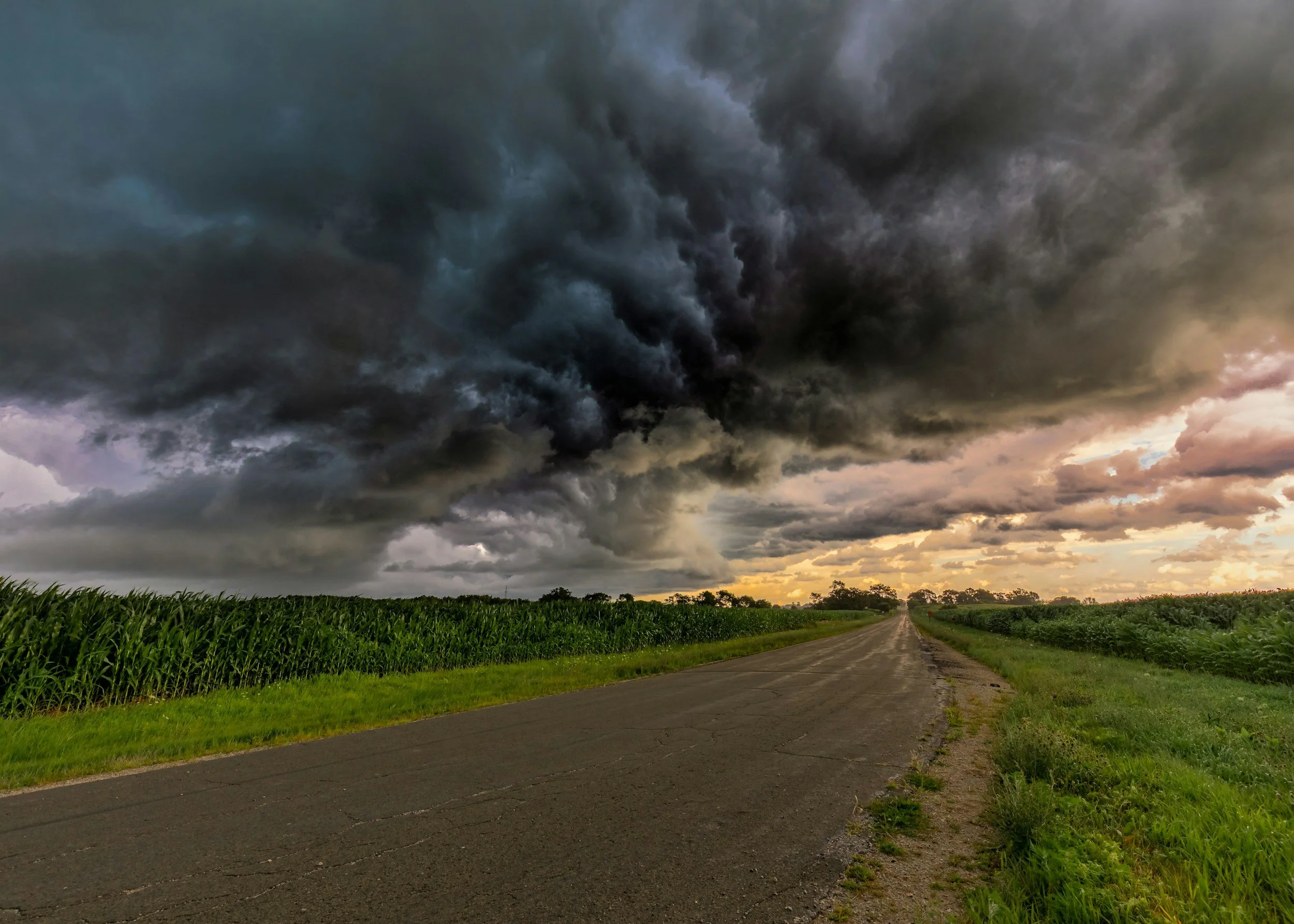
An American weather office can send three messages in quick succession. The first describes a tree across a road. The second gives a wind gust at an airfield. The third repeats the road name with a better location. For a correspondent filing overnight, there are three pieces of news to examine. Whether there were three storms, three separate incidents or three independent sources is an entirely different question.
The National Weather Service issues preliminary local storm reports to relay observations promptly. Later, its Storm Data records are made available through NOAA’s National Centers for Environmental Information. These products let a newsroom tell the story as information arrives and revisit it after review. They also make it possible to trace exactly where an early detail came from when a later account looks different.
Read down to the source field
A local storm report identifies a phenomenon, locality and time of occurrence, with a source and space for remarks. The issuing weather office may be passing along an observation from a spotter, a member of the public, an emergency official or an instrument. Attribute the detail to the level at which it was observed. The presence of an agency heading does not make every number an agency measurement.
Read the remarks before extracting the figure. For a wind gust, the product may identify a measurement, an estimate or a value of unknown origin. The difference belongs in the sentence even after conversion into another unit. A field that gives damage may contain no wind speed at all. A tree lying across a lane is evidence of a fallen tree at a place and time.
Record when the phenomenon occurred separately from when the office issued the message. A report received after midnight can describe an observation made the previous evening. Keep the stated time zone, local date, county and state. An editor organizing a chronology abroad can then convert the times consistently without moving a storm to a new day every time a message crosses the wire.
Follow three messages through one town
Consider a hypothetical thunderstorm. At 6:10 p.m. a caller reports a tree down on Mill Road. At 6:12 an airfield station a few miles away measures a gust of 61 miles per hour. At 6:25 the local office publishes a further message placing the fallen tree near a particular intersection. The third message may refine the first. Check the original times, source and remarks before counting two trees.
The instrument provides a measured gust at the airfield. It supplies no direct measurement of the wind that reached the tree at the moment it fell. If the first report only says that a tree came down during the storm, the correspondent can report both observations with their locations. Combining them into a claim that a 61-mile-per-hour gust brought down that tree would invent a measurement at the roadside.
Ask the road department whether it recorded a single callout at the intersection. Ask the weather office whether the later message updated an existing report. The answers might establish a relationship that neither public bulletin makes explicit. Keep the exact wording of any correction with the earlier version so a translator who saw the first alert can identify which detail changed.
Search the reviewed record on its own terms
NOAA’s Storm Events Database contains the National Weather Service’s reviewed Storm Data records. The centers describe a typical publication window of about 75 to 90 days after the end of the data month. A search the morning after a storm is therefore unlikely to provide its later entry. Check the archive’s coverage dates before interpreting an empty result for the week you are reporting.
When the period becomes available, search by state, county, date range and appropriate event types. Read the narrative as well as the category. Some phenomena are recorded by county and others by forecast zone. Nearby places can appear under different local names, and a system crossing midnight may require both dates in a search. Keep a copy of the query parameters and the resulting event identifiers.
A storm episode can encompass several events and types of weather. An archived event can draw on more than one preliminary observation. Think about what the feature is counting before summing rows. A tally of documented events, counties affected, distinct storm systems and calendar days with a report can produce four defensible totals from the same material. Label the one actually used.
Ask what the later review established
Look first for details that can link the accounts, including the location, occurrence time, observer and description of damage. If the review groups several observations, say how the entry describes them. When two sources give different numbers, check whether they refer to the same place, instrument, unit and interval. An estimated gust by a highway and a station measurement several miles away can both stand in the record.
The database also carries limitations. Reporting coverage and the types of events collected vary across historical periods. Property and crop damage amounts are estimates. A blank entry or a day without a matching record cannot establish that every road in a county escaped damage. If the local office explains a discrepancy, attribute the explanation and preserve the event identifier with the story.
Leave an accurate trail for the next edition
For a first dispatch, describe the observation as preliminary, identify the source and give the time as reported. For a later feature, identify the archived event and state whether subsequent information confirmed, qualified or changed the detail readers first saw. A corrected map, caption or translation may need the same update as the main text.
The most informative closing detail may still be the one about the tree. A verified location, a documented removal time and the weather office’s account of the surrounding storm can tell readers what happened along one road. The wind measurement at the airfield belongs in that story on its own terms, at the instrument that recorded it.
National Weather Service, Preliminary Local Storm Report
National Weather Service, Product Descriptions
NOAA National Centers for Environmental Information, Storm Events Database FAQ
