
The Sculpture Has a Name. Is It Still at That Address?
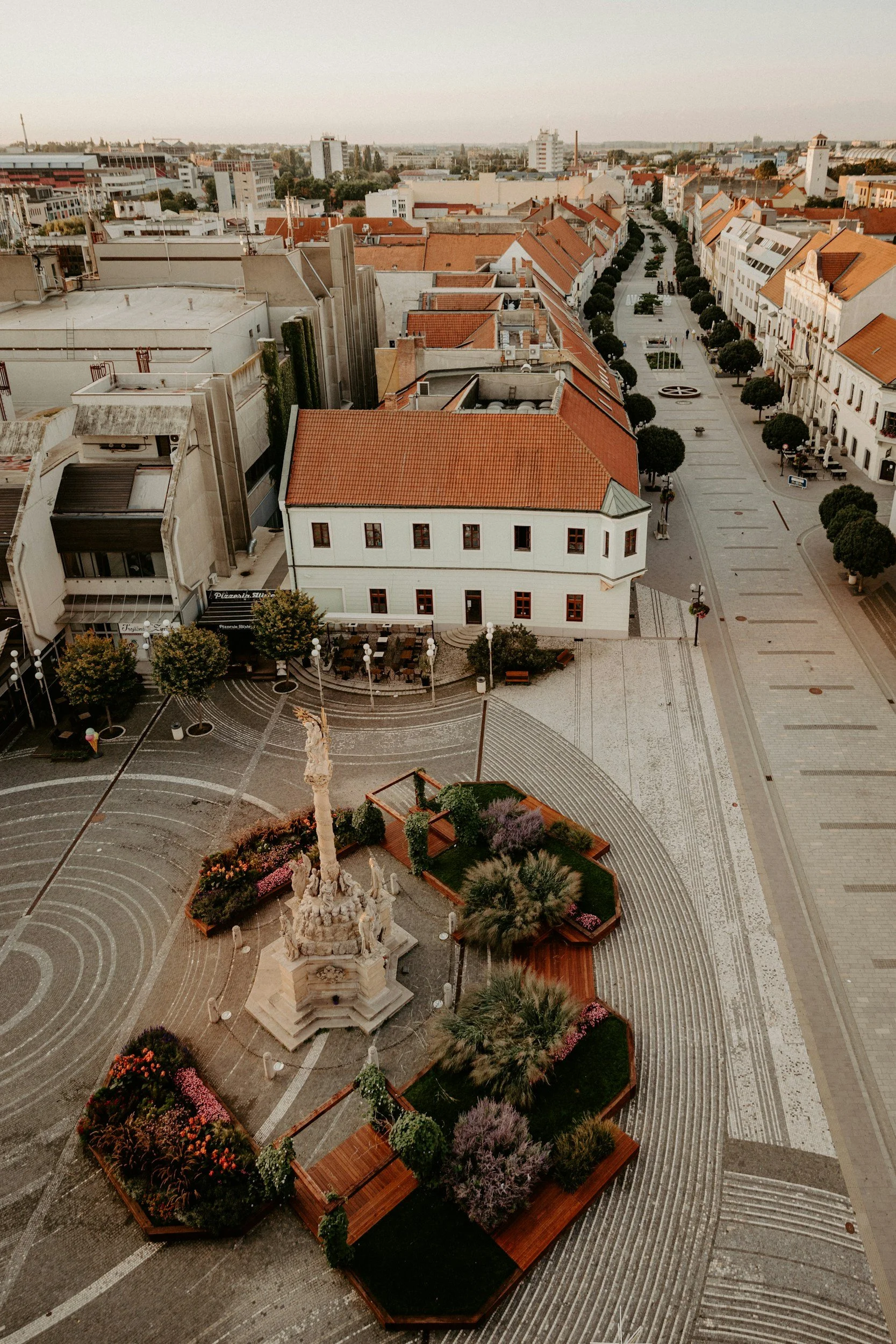
A public-art database gives a sculpture's title, artist and location. The correspondent reaches the address and finds an empty plinth, a different work or a construction fence. The record may be accurate for the date it was created. The reporting error would be to treat a historical inventory as a live guarantee of the object's present location.
For an international cultural feature, the identity of a public artwork should be verified through several connected facts: the particular object, its credited maker, the place where it stands and the date of that information. A familiar title or nearby plaque can help, but neither should replace confirmation when the story depends on what visitors can see now.
Start with the record's scope and date
Save the database entry, identifier and any stated survey or update date. Read the project's description to learn how the information was collected. An inventory can document a work at a particular moment without continuously monitoring it afterward. Keep the collection's purpose in mind when deciding what the record supports.
The Smithsonian American Art Museum's Save Outdoor Sculpture! project describes a nationwide survey conducted during the early 1990s, with information entered into the Inventory of American Sculpture. That is a substantial historical resource. It also illustrates why a reporter should not assume that every recorded location and condition remains unchanged decades later.
Use an inventory as a route to further evidence: the owner, administrator, artist's records or local arts office may confirm current status. Ask a specific question about the named work and identifier. A general inquiry about art in a park can produce a list without resolving whether the particular object remains there.
Match the physical work to its description
At the site, record the title and credit on any label, along with the material, approximate form and location. Photograph the work and its surroundings where appropriate. Compare those features with the database record. A title can be shared by several works, and an artist may make related versions or casts.
For a hypothetical abstract sculpture called Turning Form, a database photograph may show a smaller version in another city. Do not treat the visual resemblance as proof of identity. Check dimensions, material, object identifiers and the institution's description. If the work is a cast or version, preserve that information instead of calling every example the single original.
Read the plaque as a source with its own date and purpose. It may commemorate a donation, installation or dedication rather than the creation of the artwork. Ask what the date means before using it in the artist's chronology. A later plaque can accurately describe an earlier work while recording a separate civic event.
Separate ownership, administration and location
The organization responsible for a work may not be located where the object stands. The Smithsonian's inventory submission form distinguishes owner information from the sculpture's location. That is a useful reminder to check both fields. An office address should not automatically become a visitor destination.
Ask who currently maintains the work and who can confirm changes in placement. A city department, institution or property manager may administer access even when another entity owns the object. Report the relationship as documented rather than guessing from a logo on a sign or the fact that the sculpture occupies public-looking space.
If a work has moved, obtain the dates and reason from reliable records or responsible sources. Avoid assuming that removal signals damage, controversy or abandonment. Conservation, construction or a planned relocation may explain the absence. The article should identify the supported explanation and any uncertainty without filling the empty space with a dramatic narrative.
Credit creation and fabrication accurately
Check whether the record identifies an artist, designer, architect, fabricator, foundry or other contributor. These roles can overlap, but they should not be collapsed without evidence. Ask the artist or commissioning body how the particular work was developed and how credits should be stated in the context of your story.
A signature or foundry mark can provide a lead, not a complete account of authorship. Do not infer that the name visible on a base is necessarily the sculptor's. Compare the mark with the official record and ask a qualified source where needed. A small identification error can travel widely once repeated in captions and searchable articles.
If an interviewee claims an uncredited contribution, seek documentation and an appropriate response before presenting it as established fact. The feature can describe collaboration without adjudicating an unsupported dispute. Attribute claims precisely and distinguish the documented credit from a participant's account of the process.
Confirm what access means today
A work outdoors may still be behind a gate, inside a campus or temporarily inaccessible. Check the site's current access information if readers may visit. Do not assume that a public-art designation grants unrestricted entry to every surrounding space. Describe the actual viewing arrangement and link to the responsible institution's current guidance when useful.
Record the date of your own observation. A photograph establishes what was visible then, not a permanent condition. If the article publishes later, reconfirm a material access claim. A construction barrier or temporary removal can change between reporting and publication, especially when the piece serves as a guide as well as a cultural story.
Avoid turning a visual inspection into a conservation diagnosis. A stain, surface change or missing-looking element may require specialist interpretation. Ask the responsible conservator or administrator if condition is relevant. Describe only what you can establish and attribute technical judgments to their source.
Give the artwork a verifiable caption
The caption should identify the particular work, artist, location and relevant date. If the image is historical, say so. Do not attach a current visitor claim to an archival photograph without checking that the work remains in place. Keep the source record and image permissions with the editorial file.
Before filing, trace the location sentence back to current confirmation and the artist credit back to the appropriate record. Public art can connect an overseas reader to a city's everyday spaces, but those connections depend on accurate identity and geography. A careful correspondent allows the inventory to guide the reporting while making the final account answer to the object and place as they are actually documented.
Smithsonian American Art Museum: Save Outdoor Sculpture!
Smithsonian American Art Museum: Inventory of American Sculpture
