
The Same Home Can Have Different Square Footage Figures
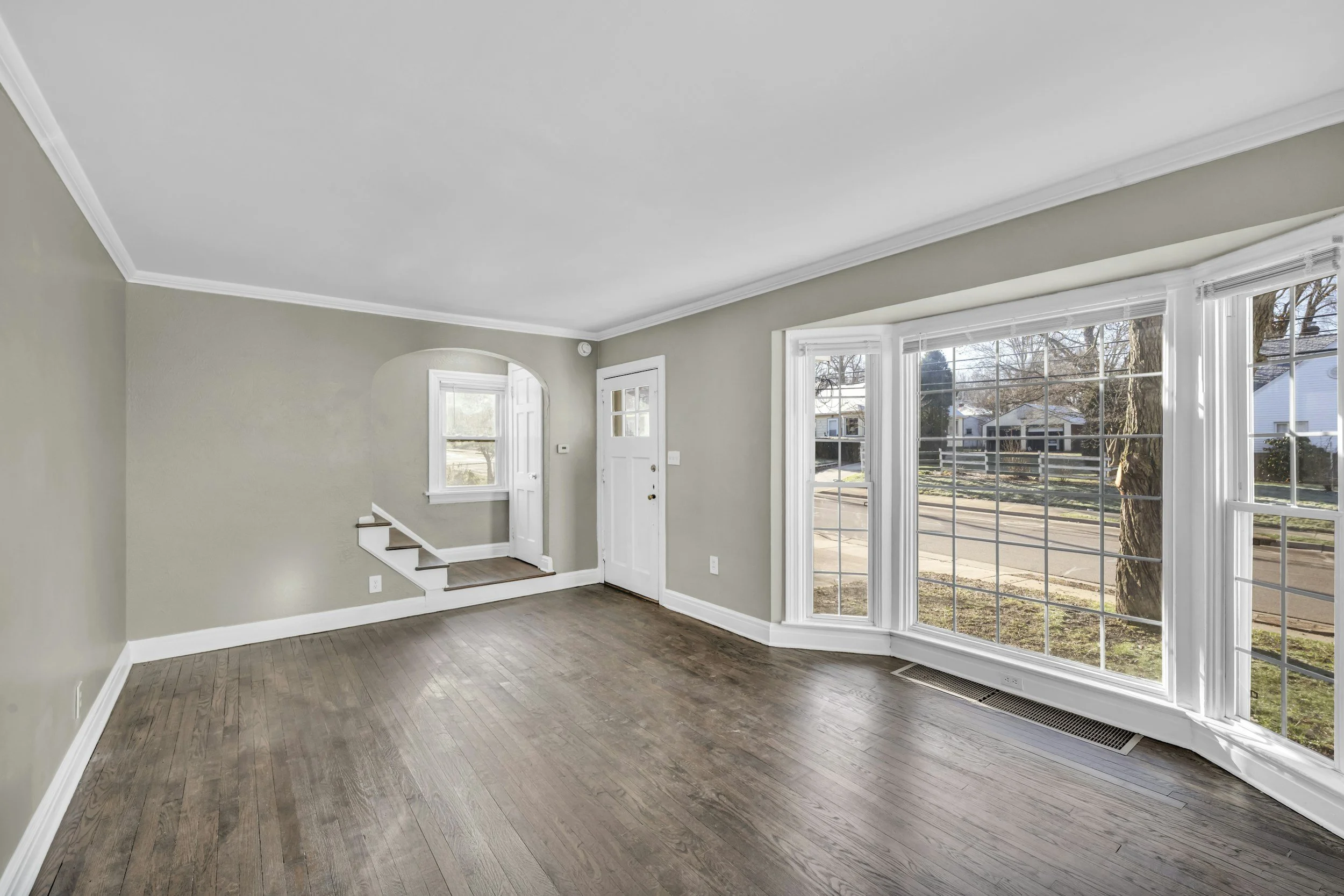
A property listing describes a home as 2,000 square feet. Another document gives a smaller figure, and the owner points to a finished lower level that seems missing from the total. For a correspondent, this is a reporting question before it is a contradiction. The sources may be measuring different areas or using different conventions.
Stories about American homes often translate square feet into square metres for overseas readers. That conversion is straightforward arithmetic. Establishing what the original number includes is the more important task. A precisely converted figure can still mislead if it combines spaces that another source reports separately.
Ask what area the number describes
Start with the exact label attached to the figure. Total building area, above-grade finished area, an apartment’s interior area and a marketing description of living space should not be assumed to mean the same thing. Ask each source to identify both the measurement method and the spaces included in its total.
Fannie Mae’s guidance on property measurement illustrates why definitions matter. It discusses reporting above-grade and below-grade areas separately and explains that reporting practices can differ with appraisal forms. This is guidance for a particular appraisal context, not a basis for declaring that every American property listing follows one universal measurement rule.
Put the competing figures in a small working table with columns for source, date, label, method and included areas. If the method is unknown, record that explicitly. Do not fill the gap by assuming that a number from a prominent website must have been independently measured by that website.
Separate an attractive room from its category
A bright, finished room can still fall into a different measurement category from rooms above it. Fannie Mae’s Selling Guide treats a level as below-grade if any portion is below-grade, regardless of finish or window area. That example shows why visual impressions alone cannot determine where an appraiser reports a space.
For reporting purposes, ask which areas each document counts and where it places the remainder. In a hypothetical home, 1,400 square feet might be reported above grade and 600 separately below grade. Adding them gives 2,000 square feet, but the sum should not be relabeled as 2,000 square feet of above-grade space.
Nor should an excluded area be described as nonexistent or unusable solely because it is outside one total. Measurement categories answer a specific question. They do not independently establish a room’s legal status, suitability, condition or value. Those claims require separate evidence and appropriate sources.
Match the method to the property
A method used for a detached house may not be the method used for an apartment. The Selling Guide distinguishes its treatment of single-family dwellings from apartment units in condominium or cooperative buildings, where it specifies interior perimeter measurements. A reporter should preserve those contextual differences when explaining figures from appraisal documents.
Ask whether the published area was measured from an exterior footprint, an interior perimeter, room dimensions or another documented approach. The presence of walls and common spaces makes that question meaningful. Do not subtract an improvised wall allowance to manufacture an apparently comparable number when the underlying dimensions and conventions are unknown.
For a story comparing housing across countries, choose examples with clearly documented methods. If the methods differ, explain the difference alongside the figures. An international comparison becomes less informative when it treats every quantity translated as floor area as though it followed the same inclusion rules.
Establish the origin and date
Trace the listing figure to its source rather than treating the listing as the end of the inquiry. Ask whether it came from an assessor’s record, an earlier listing, a professional measurement or owner-supplied information. Then seek the underlying record where possible and check that it describes the same property configuration.
Dates matter when a home has changed. A hypothetical older record might precede an alteration, while a newer floor plan may use a different method. Either explanation needs verification. Do not assume that the more recent document is automatically correct or that a discrepancy necessarily shows a physical change to the building.
Fannie Mae’s measurement FAQ notes that square footage in other records may not follow the same standard. For journalists, the practical lesson is to retain provenance. Reporting that a listing states one area and an appraisal reports another is more accurate than choosing the larger number without explaining why.
Convert units without adding certainty
One square foot equals approximately 0.0929 square metres. Apply the conversion to the verified area category, then round to a level appropriate to the source. A listing rounded to the nearest hundred square feet does not become a finely measured floor plan because a calculator returns several decimal places.
Preserve the distinction between linear and area measurements. A room dimension in feet is not converted with the square-foot factor. When illustrating a hypothetical rectangular room, calculate its area from consistent units and label the result as an example. Do not use that simple geometry to imply that an irregular home has been professionally measured.
If an editor wants one compact figure, make the category part of the sentence: the document reports a specified above-grade area, with additional space reported separately. That phrasing gives overseas readers a usable scale while preserving the information that would otherwise disappear during conversion.
Resolve the discrepancy in the story
Send each relevant source the exact figures and labels before publication. Ask whether the difference reflects method, inclusion, date or an error. Keep the response attached to the document it explains. A broad assurance that the home is spacious does not resolve a discrepancy between two measurements.
When the evidence supports a reconciliation, explain it plainly. When it does not, attribute each figure and identify the unresolved point without implying wrongdoing. The correspondent’s role is to make the documents understandable, not to supply an appraisal or decide what a buyer should pay.
Finally, inspect captions and graphics for shortened labels. A diagram showing a basement separately should not feed a headline that silently combines it with above-grade area. The best explanation helps readers understand why the same home can generate different totals, and exactly which total the article has chosen to report.
Fannie Mae: Standardizing Property Measuring Guidelines
Fannie Mae Selling Guide: Improvements Section of the Appraisal Report
