
The Historic Station Behind the Locked Gate
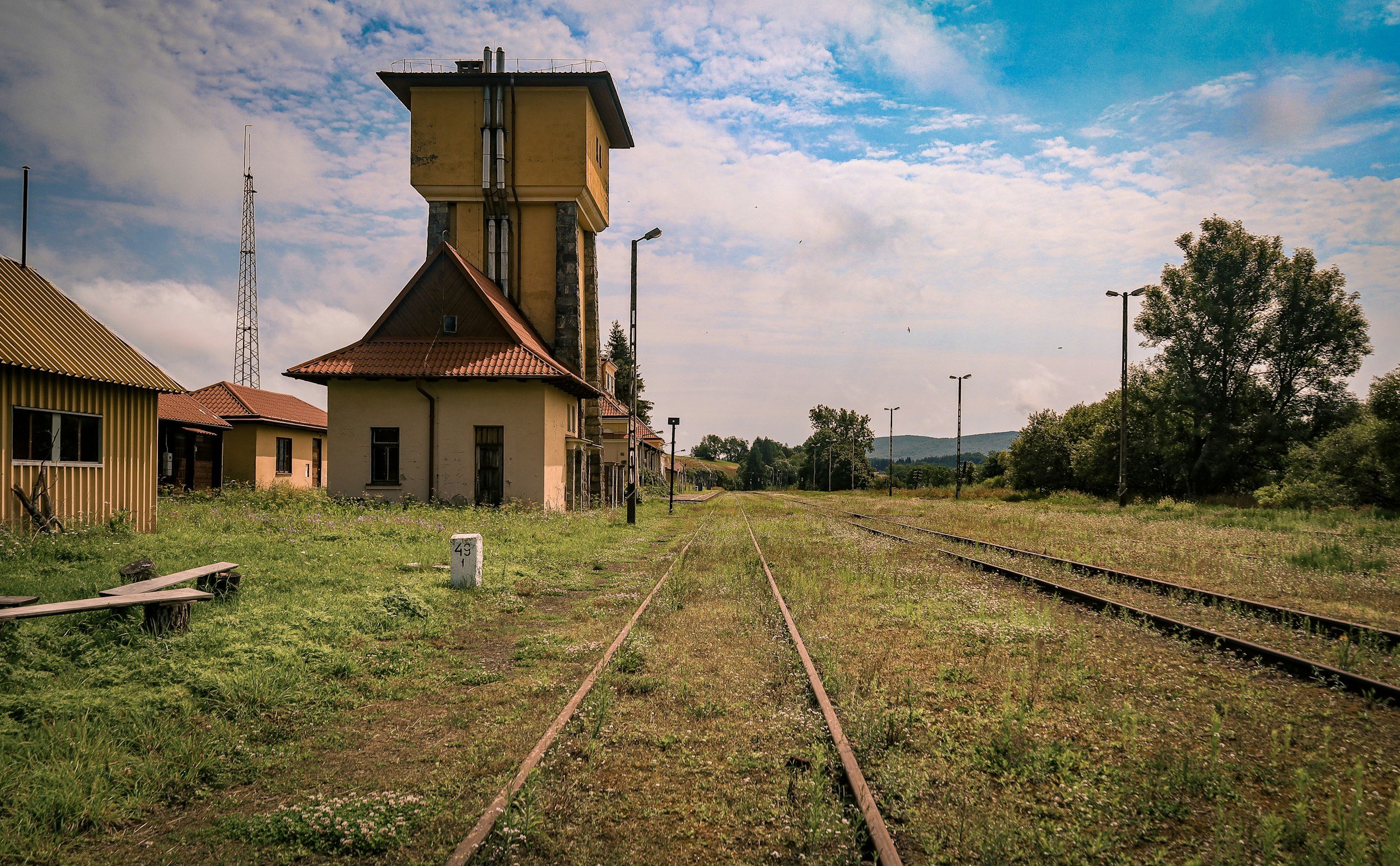
A visitor could stand beside a locked gate, see a bronze historic plaque on a station wall and reasonably wonder how to get in. For a correspondent describing an unfamiliar American town, that question can lead to a more substantial feature than a photograph of a handsome roof. Who recognized the station, who owns it now, and what survives behind the gate? Each part of the answer comes from a different piece of reporting.
Find the entry that matches the address
Read the plaque for the name of the organization that installed it. If it identifies a local commemoration, ask the issuer what it recognizes. Check separately for a National Register of Historic Places record before describing the station as nationally listed. The National Park Service describes the register as the official list of the country’s historic places considered worthy of preservation. Use the state, county, historic name and current street address to identify the correct place. A town can have two stations built by different railroads, while the name that survives on a street sign may belong to a depot on the other side of the tracks.
Check its status and listing date. The path from a proposed nomination to a listing includes review. An announcement that a board recommended a property, or a determination that it is eligible, needs its own wording. If the register entry is difficult to find, give the state historic preservation office the address and reference number and ask which action the record documents.
Open the nomination and its map. Is the station individually listed, or is it one building in a larger historic district? Does the recorded boundary include the freight platform, the station garden or the former approach road? Take those questions to someone familiar with the property. A district map and a present-day visitor map serve different purposes. A building next to the station may be perfectly visible without being part of the place the nomination describes.
Read the significance paragraph against a calendar
Look for the reasons the nomination gives and the period it addresses. A station might be significant for its role as a transport connection, its design, or both. Identify which claim the nomination actually supports. A reporter may have noticed an elegant canopy, but if the record stresses the building’s role in freight traffic, that account offers a different starting point for a conversation with a local historian.
Separate construction, addition, listing and reopening dates. In a hypothetical station, the ticket hall could be older than the canopy over the platform. Ask who dated each feature and how. The caption beneath an archive photograph, a plan signed by an architect and an owner’s recollection can each help, provided the copy lets readers tell them apart. The year of listing belongs to the action taken by the register.
Inspect descriptions and photographs for their dates. When the nomination says that a ticket counter remained intact at the time of survey, put that date beside the statement. A present-tense sentence about the counter requires a fresher source. Make a short list of features you hope to see or ask about now, including any that might have moved during a change of use.
Ask separately about ownership and visits
A listing identifies a historic resource. Look for current ownership in the appropriate local property records and confirm it with the owner or a representative. The town might own a station while a community group runs exhibitions in it. A photograph credited to the historical society could have been taken by a visitor. Ask who owns the building, who operates the space, and who may authorize an interview or visit inside.
The National Park Service explains that private owners of listed property have no obligation under the listing itself to open it to the public. Check current admission with the operator. If tours occur once a month, give the booking details, date and meeting point. Check which areas a ticket covers. A garden visit, for example, can be available while the station waiting room remains closed.
Ask what a person arriving on an ordinary weekday can see from a public place. Name the vantage point and describe the view accurately. A reporter who was admitted by appointment should say how they got inside. Make this detail clear to the picture desk as well. A spread of interior photographs accompanied by general directions may look like an invitation to walk straight through a private gate.
Report the building in the present tense
Separate appearance from diagnosis. You can describe a patch of missing paint observed from the pavement and state when you saw it. To describe the roof as structurally unsound, ask for a current assessment from someone qualified to make it. When a manager says the roof needs work, ask which section, what inspection established the need and what has been authorized.
For a renovation story, distinguish a proposal, committed funding, work under way and completed repairs. A drawing may show a future café beneath the canopy while the only authorized work is drainage at the far end of the platform. Ask where the plans stand on the date you publish. If access is limited while work continues, obtain the operator’s current visitor information as a separate check.
Return to the gate before filing. Suppose the station is open for one guided visit next Saturday. A precise final paragraph can name the organizer, explain where visitors will stand, and say whether the guide will take them through the ticket hall. Record the date on which the arrangements were confirmed and make the time zone or local time clear for overseas readers planning travel.
Then let the most informative surviving detail carry the feature. Perhaps a passenger could once see the approaching train through a low window cut into the waiting-room door. Establish that use with a source, check whether the window is there today, and tell the reader where it can be seen. The national listing explains why the site entered the historical record. The view through that window gives the reader a reason to care about its particular history.
National Park Service, How to List a Property
National Park Service, National Register of Historic Places brochure
