
The Course in the Catalog That Nobody Can Take This Term
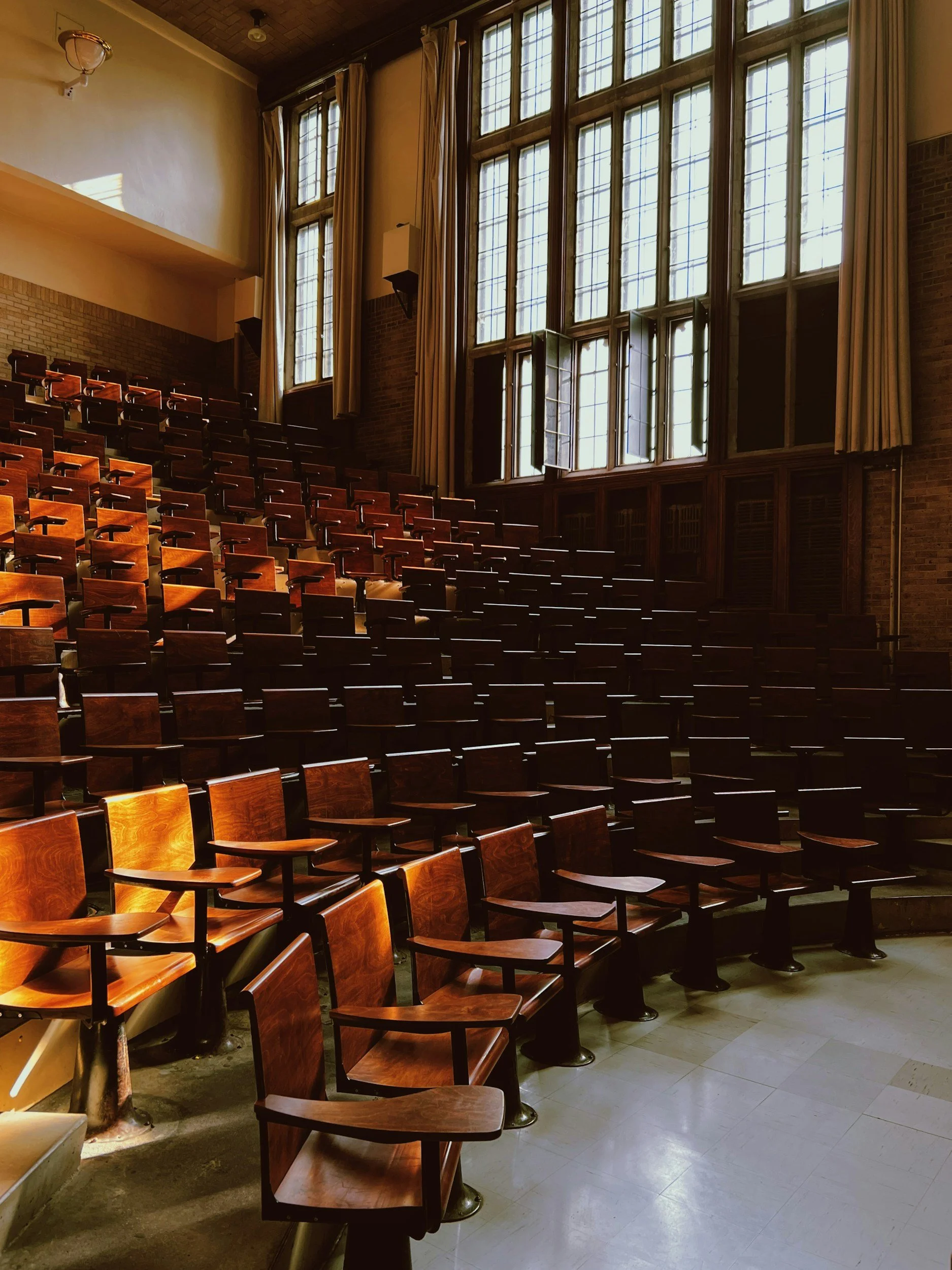
A university's catalog can make its curriculum look almost limitless. A correspondent searching for an unusual subject finds a course description, calls it evidence of a growing field and asks a student why she has not enrolled. The student replies that the course has not run during her time at the institution. The description may be genuine; the inference about current access may still be wrong.
For an international education feature, separate the institution's inventory of courses from the classes offered in a particular term. Then distinguish a scheduled class from one a particular student can actually take. These steps turn an attractive catalog discovery into a report about the educational experience rather than a paraphrase of promotional possibilities.
Identify the record you have found
Save the course title, subject, catalog number, institution and academic year. Record whether the page belongs to a current catalog, an archive, a department announcement or a term-specific schedule. Search engines can surface any of these. A prominent course description is not necessarily evidence that the course is being taught now or that the listed instructor is still responsible for it.
Find the registrar's explanation of the catalog and schedule. Harvard's course-search guidance, for example, explicitly notes that courses and their meeting details can change. That is an institutional example of why a reporter should confirm the term rather than treating a static page as a promise. Use the corresponding guidance at the university you are covering.
Keep the course identifier as well as its name. Titles can be reused, shortened or translated differently. A department may also change a number while retaining related content. Ask which record corresponds to the actual class in your story. A unique identifier helps the press office, registrar and instructor answer the same question.
Look for a scheduled section
A course description explains intended subject matter. A section or class listing supplies a term-specific instance. Look for the semester or quarter, meeting pattern, location, instructor and status. Note the date on which you checked it. A preliminary timetable can change, and a section that appears before registration may later be canceled or combined with another.
For a hypothetical example, imagine a catalog course called Sound in the City with two listed sections. One may be a lecture and the other a required discussion attached to it, rather than two separate courses. Ask how the components fit together. Do not inflate the number of offerings by counting every row in a scheduling table as an independent class.
If the schedule is not public, request confirmation from the registrar or department. Ask a precise question: whether the course was offered in a named term, how many sections ran and whether students enrolled. An answer that a course is approved or available in the curriculum does not settle whether it actually met.
Separate multiple labels from multiple classes
A class can appear under more than one department or subject. Harvard's course guidelines describe arrangements in which a single course has multiple offerings under the same course identifier. This shows why catalog entries should not automatically be counted as distinct teaching experiences. Check the local rules and relationships before announcing that a university has introduced several new courses.
In your working table, keep both the public labels and the underlying class relationship. Ask whether students under different labels meet together, follow the same syllabus and receive the same instruction. If they do, the cross-listing may be the story: the university is connecting fields or allowing different programs to recognize the same work.
For a historical comparison, ask whether the institution changed its cataloging practices. A rise in searchable entries may reflect new labels or components rather than additional teaching. Explain what your count includes and excludes. If the data cannot distinguish these cases reliably, use confirmed examples instead of presenting an unsupported growth rate.
Check the route into the classroom
A scheduled course may have prerequisites, program restrictions, instructor permission or limited places. Read the entry and ask how those conditions operate in practice. A reporter should not describe a course as available to every undergraduate merely because it appears on a public website. The audience needs to know who can enroll and what preparation is expected.
In a hypothetical student profile, reconstruct the student's route: required earlier courses, registration timing and any permission request. Ask the student to describe the process without assuming that a waitlist proves exclusion or that a vacant seat guarantees eligibility. Obtain the institution's explanation of the relevant rule and distinguish it from an individual student's experience.
Avoid requesting private enrollment records simply to make the story more vivid. Aggregate counts, a publicly available syllabus and voluntary interviews can often answer the reporting question. If a student shares a registration screenshot, agree what may be shown and remove unrelated personal details before publication.
Compare the promised subject with the taught course
Obtain the current syllabus when available and read its learning aims, weekly topics and assignments. Ask the instructor which aspects of the catalog description remain central and which have changed. An interesting phrase in a short description may represent one session rather than the whole course. Your headline should match the actual emphasis.
Speak with students about specific work they have completed. Ask for an example of a reading, discussion or assignment and how it relates to the stated aims. Keep their experience attributed. One enthusiastic account does not establish what every section delivers, but it can show readers how an abstract course description becomes a learning activity.
File the story with a time stamp
Before publication, reconfirm the term, instructor and status of any class that anchors the article. If the story concerns a course planned for a later term, describe it as planned and explain the evidence for that plan. If it concerns a past class, state when it ran. Avoid a present-tense claim supported only by an archived catalog.
Finally, check your count and your wording together. Are you describing approved courses, scheduled sections, distinct classes or students' access to them? Each can support a worthwhile story, but they are not interchangeable. The correspondent's contribution is to show readers the path from an institutional listing to the classroom where learning actually occurs.
