
The Building Uses Less Energy. What Does Its Carbon Claim Include?
A new building is introduced as low carbon. The presentation shows efficient equipment, reused materials and a percentage reduction, but the audience may not know whether the percentage concerns construction materials, building operation or a broader assessment. The first reporting task is to locate the boundary of the claim before deciding how prominently to repeat it.
For correspondents explaining American architecture or construction to overseas readers, this is a useful technical distinction with practical consequences. Two projects can use similar language while counting different activities over different periods. An educational article can show readers how to ask comparable questions without turning a project profile into a verdict on an entire industry.
Identify the kind of emissions being counted
NIST distinguishes operational carbon, associated with operating buildings, from embodied carbon, associated with building materials. EPA's construction-materials explanation focuses on production stages, including extraction, transport and manufacturing. These descriptions provide a starting point, but an individual assessment still needs its own stated scope.
Ask the project team to supply the assessment rather than only its summary slide. Which processes are included? Which stages are omitted? Does the calculation concern a product, a building component or the whole building? The term embodied carbon should lead to those questions, not end the inquiry.
Keep the language tied to greenhouse gas accounting. A carbon figure may be reported in carbon dioxide equivalent, which is a way of expressing the gases included under the assessment's method. Ask the analyst to explain the unit and method used. Do not silently replace a qualified accounting term with a broader claim about every environmental effect.
Find the comparison behind the reduction
A percentage reduction requires a reference case. In a hypothetical project, a team might compare a selected material with a specified alternative, or compare a proposed building with an earlier design. Those are different comparisons even if both produce the same percentage. The reader needs to know what changed and what was held constant.
Request the reference design, product or scenario and the reason it was chosen. Ask whether the alternatives provide comparable functions. A comparison based on different quantities, service expectations or project requirements needs explanation before the percentage becomes the headline. The numerical result cannot supply that explanation by itself.
Write the full comparison in the reporting notes before shortening it for publication. For example, identify the assessed component, the alternatives, the included stages and the calculation period. If the sentence becomes unwieldy, the solution is a carefully scoped paragraph rather than deleting the qualifications that make the figure meaningful.
Read product declarations as bounded evidence
EPA identifies environmental product declarations among the tools used to communicate construction-material impacts. Such a declaration can be useful evidence, but the correspondent should examine what product and production setting it represents. Ask for the actual document, its date and the rules or methods underlying the reported values.
A declaration for one material does not automatically establish the impact of the completed building. Determine how the project team used the product information in its larger calculation. Ask whether the specified products were actually purchased or whether the assessment still reflects design assumptions. This is a document-tracing question that reporters can pursue directly.
When comparing declarations, ask a qualified life cycle assessment specialist whether the methods, units and boundaries are compatible. Do not rank products simply because two PDFs contain a number with the same unit. A shared unit is necessary for comparison, but it may not resolve differences in what the numbers include.
Give time its own paragraph
Operational claims usually depend on a period of use or an estimate of future use. Establish whether the figure comes from a design model, measured consumption or a combination. A modeled annual result and a measured annual result should not receive identical descriptions in the story.
For an assessment extending over many years, ask about the assumed service life and other future conditions. The reporter need not reproduce every model parameter, but should identify the assumptions that materially shape the conclusion. A long assessment period can make those choices important to the balance between construction and operation.
Separate an annual flow from a cumulative total. A one-year operating figure cannot be placed beside a multi-year total as though they describe the same period. If a graphic combines stages, have the analyst confirm the time basis and ensure the caption explains it. Clear labels prevent a visually persuasive but conceptually mismatched comparison.
Verify the project record independently
Interview the person responsible for the assessment and an independent specialist familiar with the method. Give the second source the actual scope and comparison, not just the promotional phrase. Ask which conclusion the evidence supports and which wider conclusions it does not establish.
Trace a sample of important inputs back to project records where available. Material quantities, selected products and measured energy records play different roles. If a result remains based on estimates, describe it that way. A detailed spreadsheet is still a model when its key inputs concern future or assumed activity.
Distinguish a technical limitation from an accusation. Uncertainty, incomplete data and differing boundaries can exist without deception. The article should identify the practical effect of the limitation on the claim being assessed. Give the project team a clear opportunity to explain discrepancies before publication.
Choose a claim the evidence can carry
A careful headline may describe lower modeled emissions for specified materials or reduced measured operating energy during a defined period. It should not expand that finding into a comprehensive environmental endorsement. Carbon accounting is one analytical lens, and the article should preserve its stated scope.
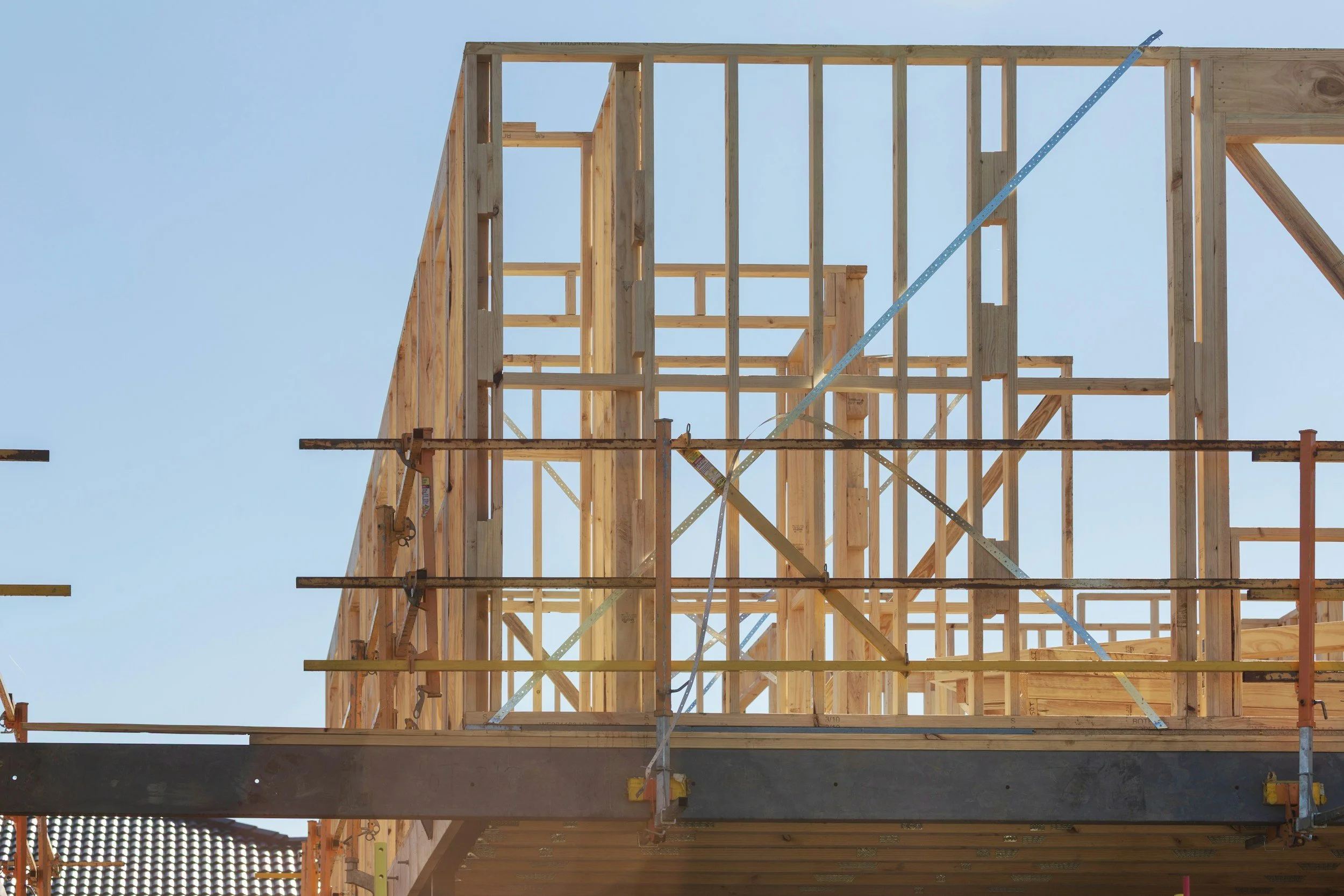
An illustrative stock photograph can show construction materials or a building exterior, but cannot document the products or performance of a named project. Label it accordingly. If a graphic compares alternatives, put the boundary, reference case and time period close enough to the numbers that readers can understand the comparison without searching elsewhere.
The finished piece should enable a reader to reconstruct the basic question: what was counted, compared with what, over which stages and period? Answering those questions turns a broad carbon claim into a specific, assessable explanation. It also gives international audiences a method they can use when similar announcements appear at home.
