
The Botanical Label Names More Than a Flower
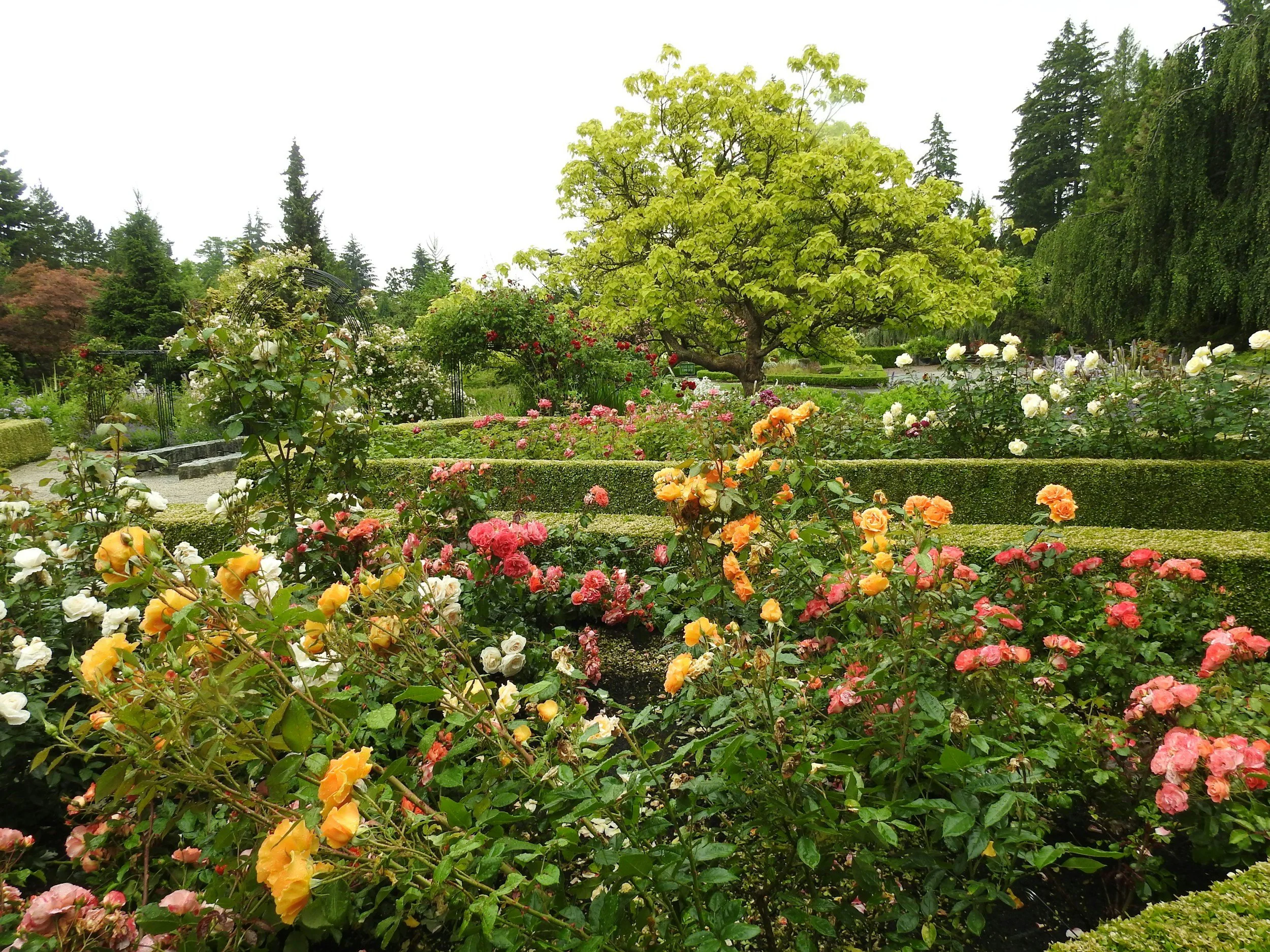
A garden label offers several names beside one plant. The familiar common name is easy to copy; the scientific name, quotation marks and accession number look like optional detail. For an international correspondent, those details can prevent a mistaken identity when the plant has another common name abroad or resembles a related specimen in the same bed.
Imagine a hypothetical feature about a flowering tree in an American botanical garden. A visitor calls it by a local nickname, the label gives a botanical name and the gardener identifies a particular cultivar.
Match the label to the plant
Begin by confirming that the sign belongs to the specimen you are photographing. In a dense planting, a label can sit near several plants, and a branch can extend into a neighboring bed. Record the location and photograph the label with enough context to connect it to the plant. Ask garden staff when the relationship is unclear.
Copy the botanical name exactly, including spelling and any cultivar designation. The New York Botanical Garden's label guide explains the common name, botanical name, family and other information used on its displays. It also notes that common names can vary by region.
Do not attempt to identify an unfamiliar plant solely through resemblance to a photograph found online. Use the garden's record and qualified staff to confirm the specimen. If identification is provisional, retain that qualification. A precise-looking Latin name is not an improvement when it attaches the wrong identity to the image.
Distinguish a species name from a cultivar
Read the label's explanation or ask staff which part identifies the species and which part identifies a cultivated selection. NYBG's guide describes cultivar names shown within single quotation marks. Preserve that distinction in your notes. A cultivar name should not be treated as another common name for every member of the species.
For the hypothetical flowering tree, ask what characteristics distinguish the named cultivar and whether those characteristics are visible at the time of the visit. Attribute the explanation rather than generalizing from one specimen. A feature about a particular selection can be more informative when it explains the gardener's choice instead of implying that all related trees behave identically.
Be careful when translating names. A common name in the reader's language may refer to a different plant. Keep the botanical name at first mention where it helps establish identity, then use a clear, consistent shorter name. Ask a knowledgeable translator or botanical source to resolve ambiguity rather than improvising a literal equivalent.
Read native range as a separate field
A label's native-range information describes the plant's taxonomic distribution, not necessarily the journey of the individual specimen in front of you. A tree belonging to a species native elsewhere may have been propagated locally. Do not write that it was brought directly from the named region unless the garden's accession history supports that claim.
Ask where this plant came from and in what form: seed, cutting, young plant or another source. Brooklyn Botanic Garden explains that its plant records can include acquisition information, parent accession details and the form in which material was received. Such records can turn a general botanical description into a documented story about one living specimen.
In a hypothetical example, a plant's species may be associated with one region while the garden received its seed from another institution. Those are different facts, not a contradiction. Explain the chain only as far as the evidence reaches. Avoid filling gaps with a romantic account of an expedition that the records do not establish.
Use the accession number to follow the specimen
An accession number links a plant to the institution's records. NYBG and Brooklyn Botanic Garden both describe this role in their public explanations. Copy the identifier exactly and ask how it works in the garden's system. Do not assume that a year-like number represents the age of the plant or the year it germinated.
The record may refer to a group of material received together or connect several related plants. Ask staff what the identifier covers before treating it as a unique biography of one trunk. A plant moved within the garden may retain a record history that is not obvious from its current bed or display label.
If the story depends on age, ask what date is known and how it was established. Acquisition, propagation and planting are different events. A tree planted in a particular year may already have been growing elsewhere. Report the supported date rather than turning an institutional milestone into an unsupported biological age.
Separate a seasonal observation from a general claim
Record the date of flowering, leaf color or other feature you observe. One visit establishes the condition at that time, not the plant's entire seasonal pattern. Ask horticultural staff about the usual range and the records they use. Attribute any broader interpretation and avoid treating a single early or late bloom as proof of a long-term trend.
A label may be updated when taxonomy changes or the institution revises an identification. If two records use different names, ask whether they are synonyms, a reclassification or an actual disagreement. Do not assume the older name is simply an error. Preserve enough of the naming history for readers to understand why sources differ.
Keep botanical identification separate from claims about edibility, medicinal use or safety. A cultural feature does not need to turn a garden label into practical consumption advice. If such a claim is essential, it requires specialized evidence beyond the plant's name and an interviewee's recollection.
Let the caption carry the verified identity
Before filing, match each photograph to the confirmed specimen, location and date. A close-up can hide the features that distinguish related plants, so keep the label reference in the internal image notes. Do not use a similar stock flower as documentary evidence of the specimen discussed in the story.
The finished piece can use plain language while preserving the identifying details that matter. Explain the name, the cultivated selection and the particular plant's documented history only where they serve the narrative. A botanical label then becomes a route into a richer story about living collections, rather than a decorative sign copied without understanding what it actually says.
