Social Media and Journalism in the United States
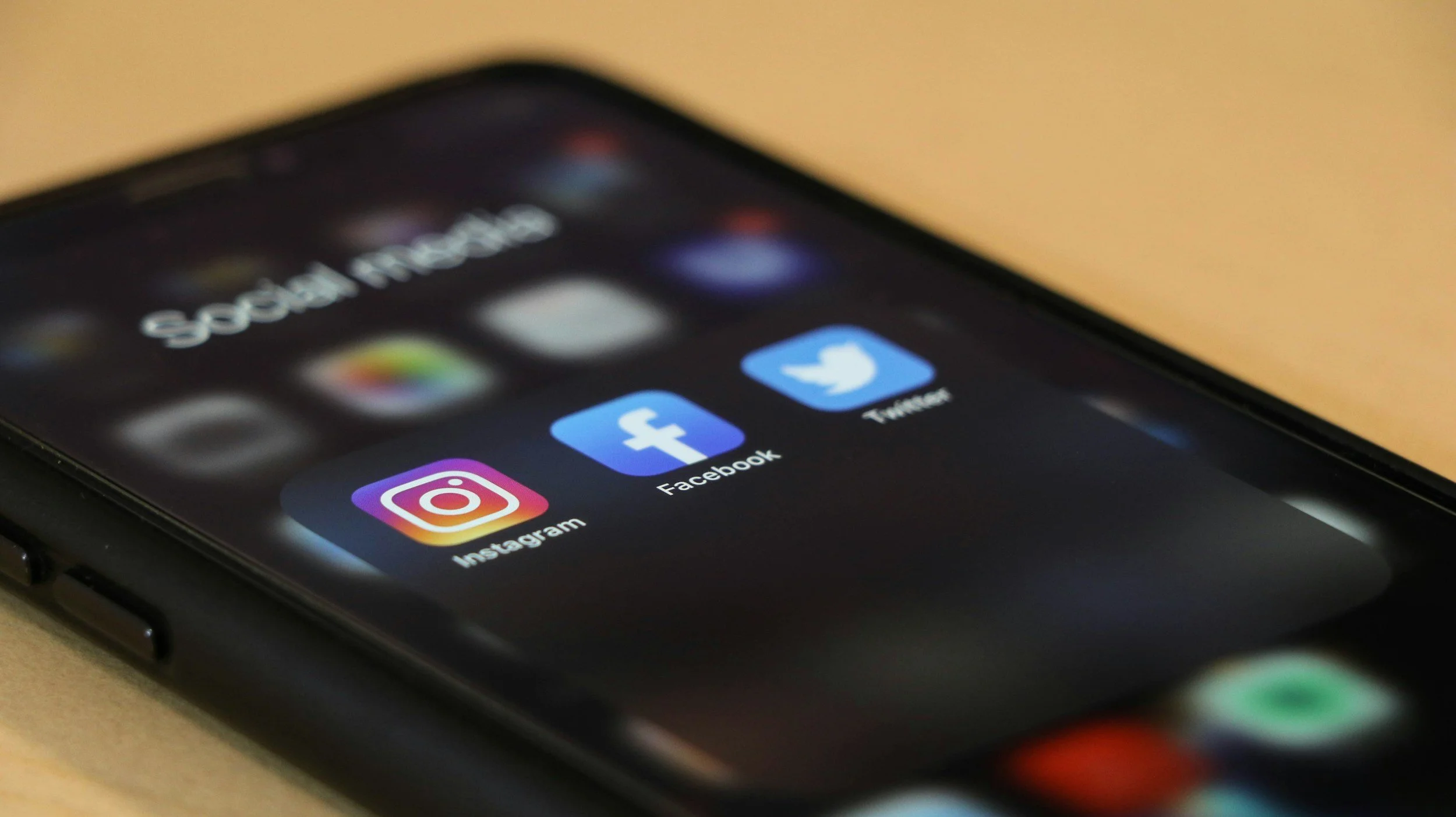
Social media has become an integral part of journalism in the United States. Platforms serve as distribution channels, sourcing tools, and spaces for public interaction. For international correspondents, understanding how social media fits into professional practice is essential.
American journalists are often evaluated not only by their published work but also by their online presence. Posts, comments, and interactions can influence perceptions of credibility and impartiality. Many news organizations maintain social media guidelines that apply to professional and personal accounts alike.
Social media enables direct engagement with audiences. Journalists can share reporting, clarify facts, and respond to questions. This engagement can strengthen trust but also exposes reporters to criticism and harassment. Managing interactions thoughtfully is a professional skill.
Verification is a persistent challenge. Information circulates rapidly, often without context. Journalists must apply the same verification standards to social media content as to traditional sources. Screenshots, videos, and user-generated content require careful authentication.
Harassment and abuse are significant concerns. Online attacks can be coordinated and persistent. News organizations increasingly recognize the importance of supporting journalists through moderation tools, security training, and mental health resources.
Maintaining boundaries is critical. Journalists should distinguish between reporting, commentary, and personal expression. Clear separation reduces confusion and protects professional integrity.
For international correspondents, social media offers powerful opportunities and real risks. Using these platforms responsibly enhances reporting while safeguarding credibility and well-being.