Reporting Washington: Explaining American Power to a Global Audience
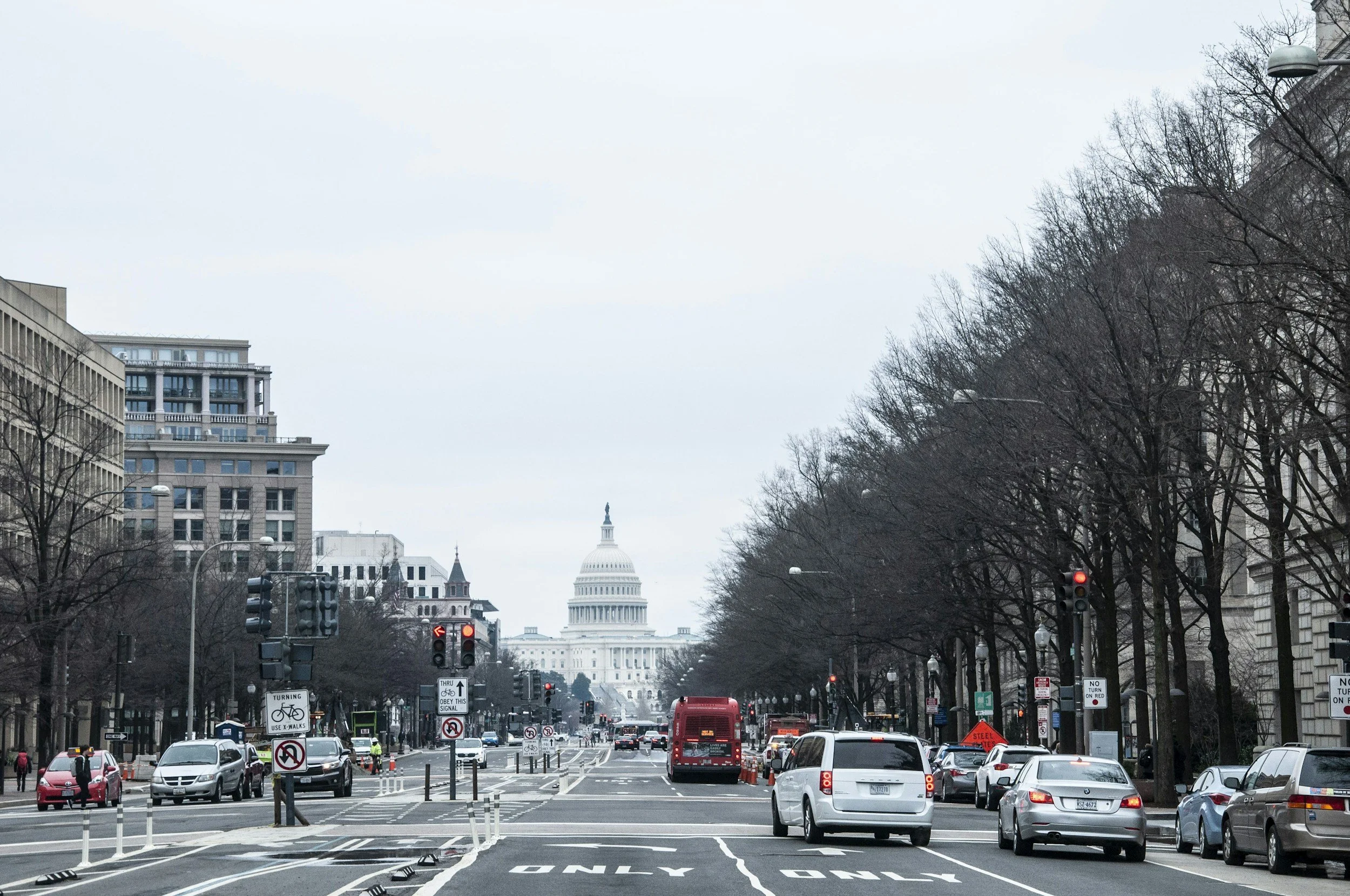
Washington is one of the most closely watched political capitals in the world. Decisions made there can affect military alliances, global markets, international trade, immigration, energy policy, technology regulation and diplomatic relations across continents. For foreign correspondents, however, reporting Washington is not simply about following the daily political news cycle. It is about explaining how American power works and why particular decisions matter to audiences far beyond the United States.
That task can be deceptively difficult. American politics is filled with institutions, procedures, terminology and traditions that domestic audiences may take for granted but that can be unfamiliar to readers and viewers abroad. A congressional vote, a Supreme Court ruling or a presidential executive action may require significant context before an international audience can understand its broader meaning. The foreign correspondent therefore acts not only as a reporter, but also as an interpreter of the American political system.
Washington Is More Than the White House
International coverage of U.S. politics often focuses heavily on the presidency, and for understandable reasons. The president represents the United States on the global stage, directs much of foreign policy and commands enormous international attention. But Washington's political system distributes power across many institutions.
Congress can shape or block legislation, approve spending, influence trade policy and oversee the executive branch. The Senate plays a major role in confirming senior officials and judges. Federal courts can alter the implementation of laws and government policies. Independent agencies regulate sectors ranging from finance and communications to transportation and the environment.
For foreign correspondents, one of the first challenges is helping audiences understand that American political power does not reside in a single office. A dramatic presidential announcement may attract headlines, but its practical consequences can depend on Congress, federal agencies, courts or even state governments.
Explaining these relationships is essential because the structure of American government often determines whether a political promise becomes policy.
Translating the Language of American Politics
Washington has its own vocabulary.
Filibusters, continuing resolutions, caucuses, appropriations, executive orders, reconciliation and government shutdowns are common terms in American political reporting. Yet many of these concepts have no direct equivalent in other political systems.
Foreign correspondents therefore need to translate more than words. They must explain processes.
A report that simply states that legislation faces a filibuster may be understandable to an American political audience, but an international reader may need to know why a minority of senators can prevent legislation from advancing. Similarly, explaining a government shutdown requires understanding the relationship between Congress, appropriations and federal spending.
This process of translation is one of the most important functions of foreign correspondence. Without it, international audiences may receive the facts of a political story without understanding the system that produced them.
Choosing What Matters Internationally
Washington generates an enormous volume of news every day. Congressional hearings, political speeches, agency announcements, court decisions and campaign developments compete constantly for attention.
Not all of them matter equally outside the United States.
A political controversy that dominates American television for several days may have little practical consequence for international audiences. At the same time, a technical change in export controls, defense policy or financial regulation may receive relatively modest domestic coverage while having major consequences abroad.
Foreign correspondents therefore have to make different editorial calculations from many domestic reporters.
The key question is often not simply, "What is Washington talking about today?" It is, "What will matter to the country or audience I report for?"
For a European correspondent, NATO, energy security and trade may receive particular attention. A journalist reporting for an Asian audience may focus more heavily on technology policy, China, semiconductors and regional security. A Latin American correspondent may prioritize migration, economic policy and U.S. relations with the region.
This audience-specific perspective is one of the defining characteristics of foreign reporting from Washington.
Covering Foreign Policy From the Inside
Washington is also a central hub of global diplomacy.
Embassies, international organizations, think tanks, military officials, lobbyists, diplomats and foreign policy experts all participate in shaping discussions about America's role in the world. For foreign correspondents, this creates access to an unusually concentrated network of sources.
But it also creates challenges.
Foreign policy coverage can quickly become dominated by official voices. Government briefings, diplomatic statements and expert commentary can provide valuable information, but they can also narrow the range of perspectives included in a story.
Correspondents must therefore balance access with independence. A statement from the State Department may explain the official American position, but it does not necessarily explain how that policy is viewed abroad or what its consequences will be on the ground.
Strong foreign policy reporting requires correspondents to move beyond Washington's institutional ecosystem and connect decisions made in the capital with their international impact.
The Importance of Context
One of the greatest risks in reporting Washington for international audiences is presenting political developments without sufficient historical context.
Many American policy debates are rooted in decades of political conflict, constitutional interpretation or institutional practice. A Supreme Court decision may make little sense without understanding the legal precedent behind it. A congressional dispute may reflect long-running ideological divisions rather than a disagreement that began that week.
Foreign correspondents therefore often need to compress years of political history into a few paragraphs.
That requires careful judgment. Too much explanation can overwhelm a story, while too little can leave audiences confused.
The most effective correspondents identify the minimum amount of context necessary to make the current development understandable. They explain why the story matters now without losing sight of the institutional or historical forces behind it.
Political Polarization and the Challenge of Balance
American political polarization presents another challenge for international journalists.
Political parties, media organizations and advocacy groups often present dramatically different interpretations of the same event. A policy celebrated by one side may be described as dangerous by the other. Even basic facts can become part of partisan disputes.
Foreign correspondents must navigate these disagreements without allowing balance to become false equivalence.
Journalistic fairness does not mean treating every claim as equally credible. It means representing relevant perspectives accurately while distinguishing opinion from evidence.
For international audiences unfamiliar with the personalities and institutions involved, this distinction is particularly important. A correspondent cannot assume that readers already know which sources are partisan, which institutions are independent or which claims have been widely challenged.
Clarity about sourcing becomes part of the reporting itself.
Elections as Global Events
Few examples demonstrate Washington's international importance more clearly than U.S. presidential elections.
American elections attract global attention because the outcome can change foreign policy, trade relationships, defense commitments and diplomatic priorities. Governments around the world monitor campaign statements closely, sometimes adjusting their own strategies based on potential changes in American leadership.
For foreign correspondents, election coverage therefore extends well beyond polling numbers and campaign rallies.
The international story is often about what each candidate's policies could mean for the rest of the world.
How might an election affect alliances? What could change in relations with China, Europe or the Middle East? Could trade policy shift? How might immigration policy change? What would happen to climate commitments or international institutions?
These questions turn an American election into a global political story.
Understanding the People Behind Policy
Washington reporting can easily become dominated by institutions, but policy is also shaped by individuals.
Members of Congress, White House advisers, diplomats, regulators, military officials and career civil servants all influence political decisions. Understanding who these people are, what authority they possess and how they interact can help correspondents explain how policy is actually made.
Relationships matter.
A senior official's public statement may be carefully calibrated. A congressional committee chair may have influence that is not immediately obvious to an international audience. A relatively unknown agency official may be responsible for implementing rules that affect entire industries.
Foreign correspondents therefore need to understand both formal power and informal influence.
That knowledge develops over time through source relationships, observation and familiarity with Washington's institutions.
The Role of Think Tanks and Policy Experts
Washington is home to a large ecosystem of think tanks, research institutions, universities and policy organizations. These groups provide analysis on virtually every major international issue and are frequently quoted by journalists.
They can be invaluable sources of expertise, but correspondents must understand their institutional perspectives, funding structures and ideological orientations.
An expert may provide excellent analysis while also representing a particular policy tradition or institutional interest. That does not make the analysis invalid, but it is context journalists should understand.
Foreign correspondents often rely on experts to help explain complex issues quickly. The challenge is ensuring that expert commentary broadens understanding rather than simply reproducing Washington's existing policy debates.
Reporting Beyond the Political Bubble
Washington can create its own political reality.
Journalists, officials, consultants, lobbyists and policy experts often spend much of their time interacting with one another. The result can be a professional environment in which certain political developments appear more significant than they do elsewhere in the country.
Foreign correspondents must remain aware of this bubble.
To understand American politics, they need to report beyond Washington.
Economic anxiety in a manufacturing community, attitudes toward immigration in a border state or opinions about energy policy in a rural region may reveal political forces that are difficult to see from the capital.
This is especially important during elections, when political analysis based entirely on Washington insiders can fail to capture the mood of voters.
The strongest foreign coverage of the United States combines access in Washington with reporting across the country.
Speed Versus Understanding
Washington's political news cycle moves quickly.
A statement can generate headlines within minutes. News organizations compete to report developments immediately, while social media creates constant pressure to react.
For foreign correspondents, however, speed is not always the most important objective.
Their audiences may benefit more from a clear explanation published slightly later than from an immediate update that lacks context.
This is particularly true when reporting complex legislative, judicial or regulatory developments. A rushed headline may tell audiences that something happened. A carefully reported story can explain what it means.
The value of foreign correspondence often lies in that second function.
Explaining American Power Without Simplifying It
Perhaps the central challenge of reporting Washington is presenting American power clearly without making it appear simpler than it really is.
The United States remains enormously influential internationally, but its political system contains multiple centers of authority, competing institutions and frequent internal conflict. Presidential power is significant but not unlimited. Congressional majorities matter, but procedural rules can constrain them. Courts can reshape policy, while states can pursue different approaches from the federal government.
Foreign correspondents must communicate this complexity without turning every story into a lesson in American civics.
That requires judgment, experience and a deep understanding of both Washington and the audience receiving the report.
Washington as a Window Into the World
Foreign correspondents based in Washington occupy a unique position. They are covering the domestic politics of one country while simultaneously reporting on decisions that influence much of the world.
Their work connects local political debates with international consequences.
A vote in Congress may affect military assistance overseas. A regulatory decision may alter the global technology industry. A presidential statement may move financial markets or reshape diplomatic expectations thousands of miles away.
Explaining those connections is what makes Washington foreign correspondence so important.
The correspondent's task is not merely to report who won a political argument or what happened during a press conference. It is to explain where power resides, how decisions are made and why those decisions matter beyond America's borders.
In a world where U.S. policy continues to have global consequences, that interpretive role remains indispensable.