Reporting on America’s Courts Without Getting Lost in the System
For international correspondents, the American court system can be one of the most important and one of the most confusing institutions to cover. Court decisions shape politics, business, civil rights, immigration, media law, technology, education, and public life more broadly. At the same time, the structure of the system is often difficult to understand even for Americans. For foreign journalists reporting to audiences abroad, the risk is clear: a legal story may appear simple on the surface while the actual meaning depends on jurisdiction, procedure, the level of court, and the precise posture of the case. To report American legal developments accurately, correspondents need not become lawyers, but they do need a strong working understanding of how the system functions.
One of the first things correspondents should understand is that the United States does not have one single court structure governing all disputes in the same way. It has parallel systems. There is a federal court system, and there are also state court systems, each with their own rules, procedures, and hierarchies. That distinction matters immediately. A case in federal court is not the same as a case in a state trial court, even if both involve serious public issues. Many foreign audiences assume that all major legal disputes in America move through one unified judicial chain. They do not. The level and venue of a case help determine not only what law applies, but also what the decision can actually do.
Federal courts generally handle matters involving federal law, constitutional questions, disputes between parties from different states under certain conditions, and other specifically defined categories. State courts handle the vast majority of everyday legal matters, including many criminal prosecutions, family law disputes, probate, property issues, contract claims, and a wide range of civil actions. This is why correspondents must pay attention not only to the headline but to where the case is being heard. Two cases may sound similar yet exist in entirely different legal worlds.
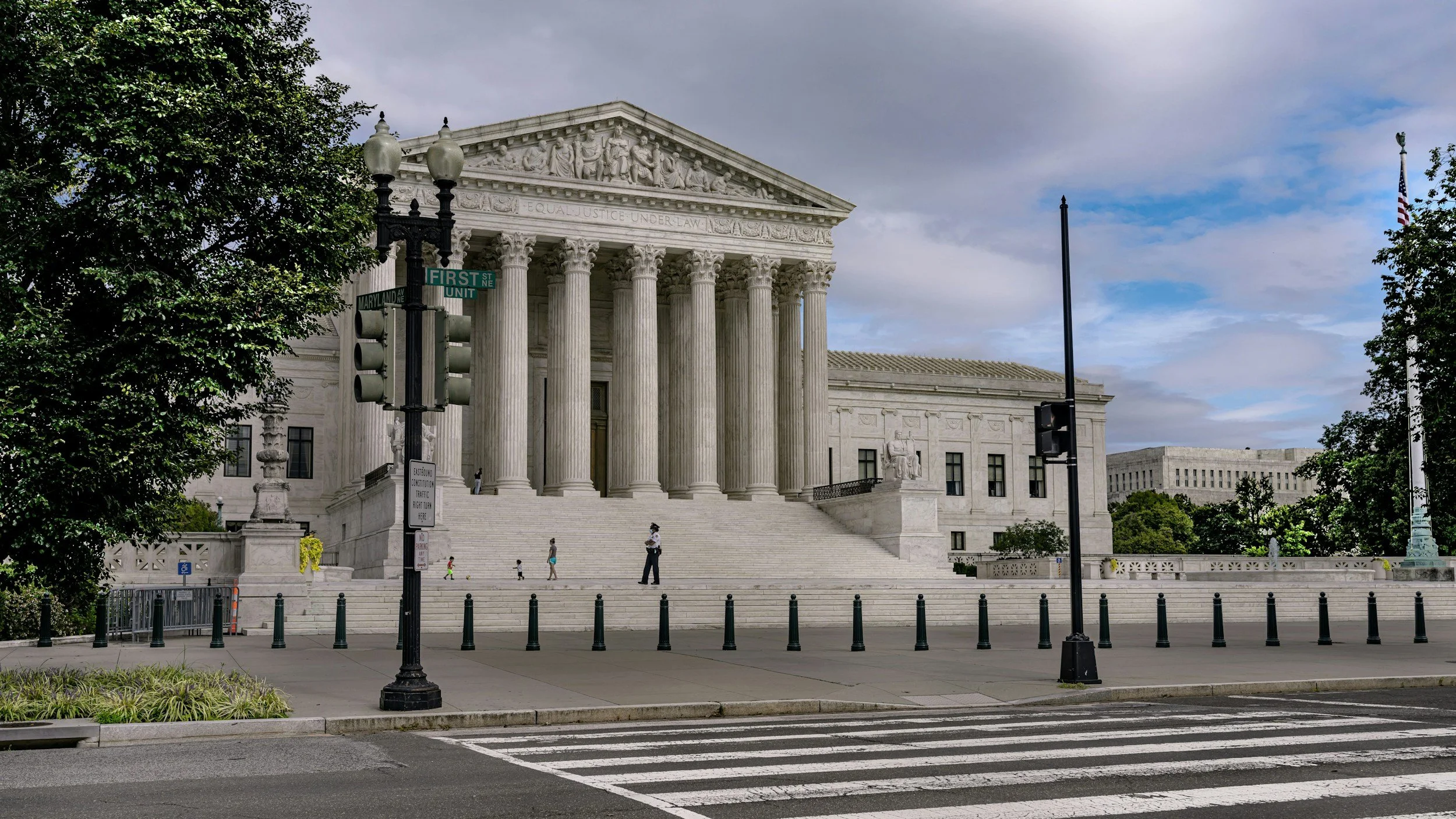
The hierarchy of courts also matters. At the federal level, the system begins with district courts, which are trial courts. Above them are the federal courts of appeals, often called circuit courts. At the top is the Supreme Court of the United States. State systems have their own trial courts and appellate courts, but the naming conventions differ by state, which can easily confuse foreign reporters. In some states, the court called the Supreme Court is the highest court. In others, including New York, the court called Supreme Court is actually a trial-level court. This kind of terminology can create major reporting mistakes if a correspondent assumes the title means the same thing everywhere.
Another key point is that legal reporting in the United States is often shaped as much by procedure as by substance. A case may attract attention because of the underlying allegations, but what happens next often depends on procedural rules that can seem dry but are highly consequential. Questions of standing, jurisdiction, venue, service, admissibility, deadlines, burden of proof, appealability, and scope of review may determine whether a case advances or collapses. A filing may be politically explosive, but that does not mean it is legally strong. A judge may deny relief without addressing the merits. A court may dismiss a case for procedural defects rather than because it found the underlying claims false. Correspondents need to explain these distinctions carefully, because audiences often hear the word court and assume a final judgment on truth has been made when that may not be the case at all.
This is especially important in high-profile cases where the public conversation moves faster than the legal process. Lawsuits are often reported when they are filed, long before evidence has been tested. Temporary restraining orders, injunction requests, motions to dismiss, discovery disputes, and summary judgment motions can all become headlines, yet each reflects a different stage of the case and a different legal question. A complaint is an allegation, not proof. An arrest is not a conviction. A motion is a request, not a ruling. An appeal is not a retrial. These distinctions may sound basic, but they are vital to accurate coverage.
For international correspondents, one of the biggest challenges is translation, not only between languages, but between legal cultures. Audiences outside the United States may come from systems with investigating magistrates, different rules of evidence, different defamation standards, or more centralized court structures. That means journalists often need to provide additional context. It is not enough to state that a judge issued an injunction or that a federal appeals court stayed a lower court order. The correspondent should also explain what that means in practice. Does the ruling apply nationwide? Is it temporary? Can it be appealed immediately? Does it affect one person, one state, one agency, or the whole country?
Legal terminology also requires discipline. Words like indicted, charged, convicted, liable, enjoined, sanctioned, stayed, appealed, and dismissed are not interchangeable. Small errors in word choice can materially distort the meaning of a legal development. For example, civil liability is different from criminal guilt. A preliminary injunction is different from a final order. Dismissal with prejudice is different from dismissal without prejudice. These details are not merely technical. They often define the real significance of the story.
Court documents themselves can also mislead if read too quickly. Complaints are often written in the strongest possible narrative terms because they are advocacy documents. Motions are designed to persuade. Press releases by litigants are even more selective. Reporters should therefore read the actual filings where possible, compare competing arguments, and look closely at the court’s own language in written decisions. The judge’s order, not the parties’ spin, is usually the most important text. Even then, one order may be narrow, procedural, or temporary, and correspondents should resist presenting early developments as broader or more final than they are.
Another reason this subject matters is that the American courts are not only legal institutions. They are also central stages for political, social, and economic conflict. Battles over immigration, media freedom, reproductive rights, executive power, corporate conduct, environmental regulation, technology, and education frequently pass through the courts. For foreign correspondents, the judiciary is therefore not a niche beat. It is a major arena where the United States defines and contests its values, powers, and limits.
What international correspondents should know is that good legal reporting in America depends on precision, patience, and skepticism. It requires understanding which court is involved, what stage the case is in, what legal standard is being applied, and what the ruling actually does. It also requires resisting the temptation to frame every legal story as an immediate moral conclusion. Courts move through procedure, and procedure often determines outcome.
Why does this matter? Because the American legal system produces consequences far beyond the courtroom, and international audiences often rely on correspondents to decode those consequences clearly. When legal reporting is careless, it can create confusion about rights, power, accountability, and institutional legitimacy. When it is done well, it helps audiences understand not only what a court has said, but what that means inside the larger American system.
That is the real task for foreign correspondents: not simply to report that something happened in court, but to explain how the system works, why the ruling matters, and where the case may go next.