
Public Safety, Policing, and Everyday Risk in the United States
Public safety in the United States is often framed through dramatic incidents or national debates, but for most people it is experienced through routine interactions and small decisions made every day. Walking home at night, calling emergency services, interacting with local police, or responding to neighborhood disturbances all shape how safety is perceived and managed. For foreign correspondents, understanding this everyday dimension is essential to explaining American life beyond episodic coverage.
Policing in the U.S. is highly decentralized. Thousands of local police departments operate under different rules, cultures, and resource constraints. This decentralization means there is no single American policing experience. Practices vary widely between cities, suburbs, and rural areas, influencing how communities relate to law enforcement and how safety is maintained.
Everyday safety concerns often revolve around nonviolent issues. Traffic enforcement, noise complaints, property disputes, and quality-of-life incidents occupy much of local policing activity. These interactions may appear minor, but they shape public trust and expectations. Reporting that focuses only on major crimes misses how most people encounter public safety systems.
Emergency response provides another lens. Calling 911 is a common experience, yet response times, dispatcher training, and coordination with other services differ widely. In some areas, emergency calls are routed to police by default even when issues are medical, mental health–related, or social in nature. This structure affects outcomes and shapes public perception of appropriate responses.
Mental health crises highlight the limits of traditional public safety approaches. Police are often first responders despite lacking specialized training or resources. This places strain on officers and communities alike. Many jurisdictions experiment with alternative response models involving social workers or medical professionals, reflecting adaptation rather than overhaul. Foreign correspondents can observe how these models function in practice.
Community context matters significantly. Neighborhood cohesion, local leadership, and informal networks influence how safety is maintained. In some communities, residents rely on mutual support and communication rather than formal intervention. In others, distrust or disengagement complicates response efforts. These differences challenge assumptions about uniform enforcement or protection.
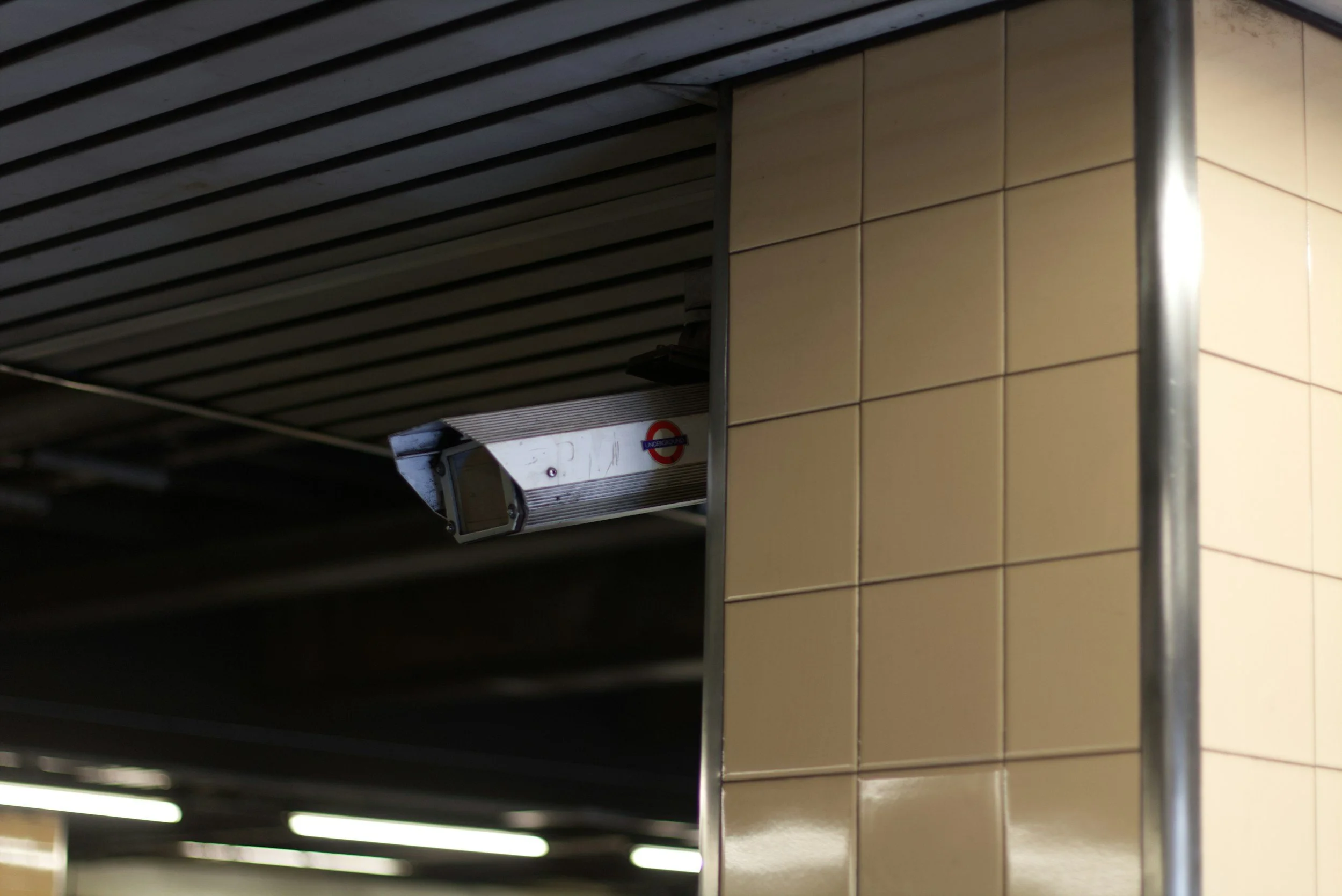
Technology increasingly shapes public safety. Surveillance cameras, license plate readers, and digital reporting tools expand monitoring capabilities. While these tools can improve efficiency, they also raise questions about privacy, data use, and oversight. Everyday safety thus intersects with digital governance in subtle but important ways.
Public perception of risk often diverges from statistical reality. Media coverage and personal experience influence fear more than crime rates alone. Some communities experience heightened anxiety despite stable conditions, while others normalize persistent risk. Understanding this gap helps explain behavior such as avoidance, vigilance, or reliance on private security.
Private safety measures are common. Gated communities, security systems, neighborhood watch groups, and private patrols supplement public policing. These measures reflect both demand for reassurance and uneven confidence in public institutions. Reporting that examines private safety alongside public services reveals how responsibility is shared or shifted.
Workplace and school safety add additional layers. Employers and educational institutions implement protocols, drills, and access controls that shape daily routines. These measures influence how people move through public and semi-public spaces. They also normalize precaution as part of ordinary life rather than emergency response.
Legal frameworks influence everyday safety in less visible ways. Local ordinances, enforcement priorities, and court procedures determine how minor offenses are handled. Warnings, citations, fines, or arrests carry different consequences depending on context. Understanding these mechanisms helps explain disparities in experience without reducing them to ideology.
Foreign correspondents should approach public safety reporting with attention to scale and frequency. Rare but severe incidents draw attention, yet cumulative daily interactions define trust and legitimacy. Observing patterns over time provides insight into how safety systems function and adapt.
Language also matters. Terms such as “crime,” “disorder,” or “threat” carry different meanings across cultures. Careful translation and explanation help international audiences understand American discourse without importing assumptions. Precision avoids sensationalism and supports clarity.
Public safety is not solely the absence of crime. It includes predictability, responsiveness, and confidence in institutions. When systems work quietly, they remain invisible. When they fail, consequences are immediate and personal. This duality makes public safety a revealing subject for foreign correspondents.
In the United States, safety is negotiated daily through a combination of formal systems and informal practices. It reflects local governance, social trust, and resource allocation more than national narratives. By focusing on everyday experience, journalists can explain how Americans manage risk and responsibility in ordinary circumstances.
Ultimately, public safety coverage benefits from patience and proximity. Listening to residents, observing routine interactions, and examining response processes provide depth that statistics alone cannot. This approach helps international audiences understand how safety is lived rather than declared.