
One Commuter, Four Boardings: Reading U.S. Transit Ridership
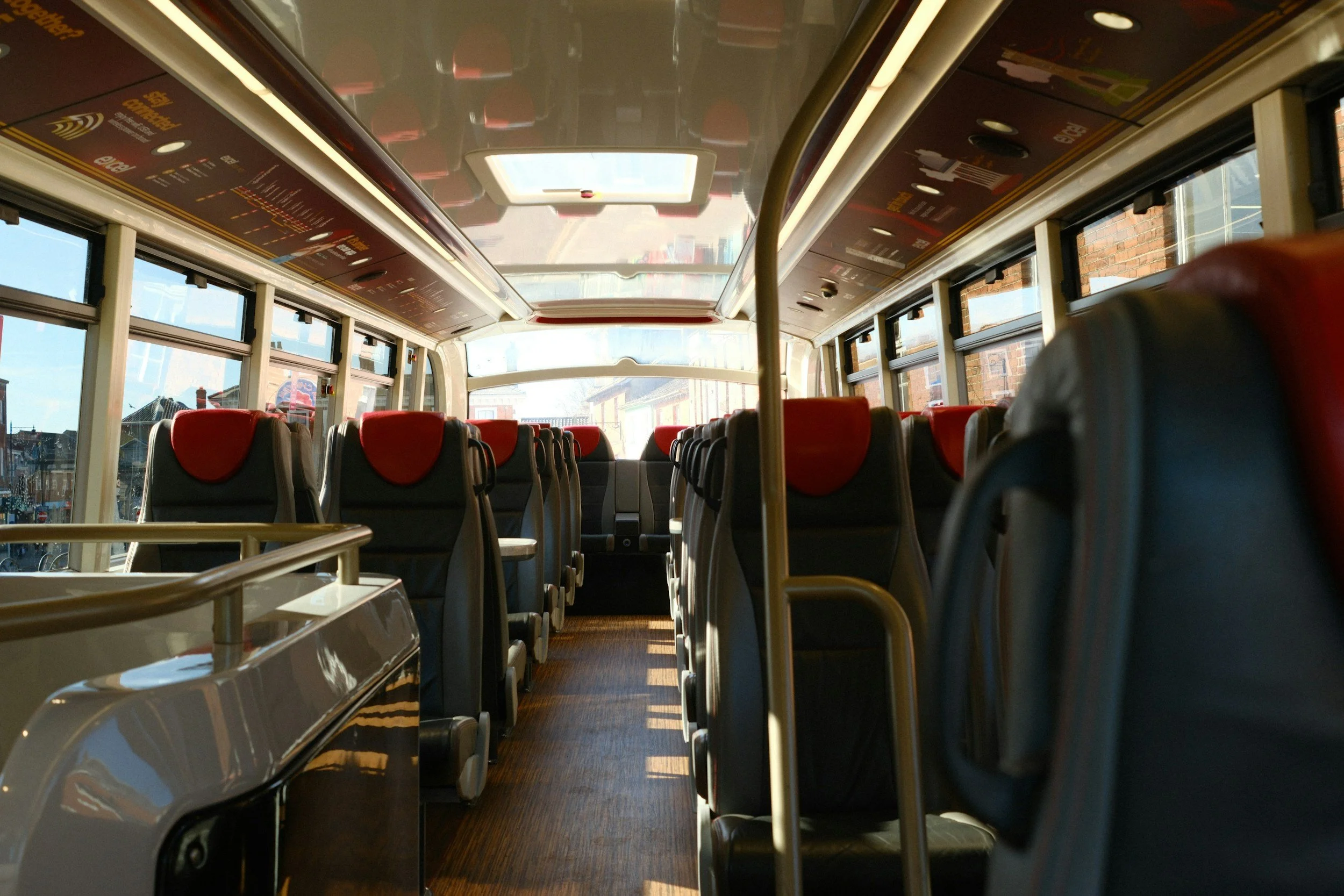
Imagine following a hospital employee from home to work on a bus and a connecting train. That evening, the employee returns by the same combination. Your notebook contains one commuter, two journeys and four boardings. A transit spreadsheet might record those four boardings as four unlinked passenger trips. The distinction matters when an editor abroad asks how many Americans use the system.
Begin with the event being counted
The Federal Transit Administration defines unlinked passenger trips as boardings, counting passengers each time they board a vehicle. The measure describes use of transit service; it does not identify the number of different individuals involved. Introduce it in plain language as boardings, and keep that meaning attached when the figure reappears in captions or graphics.
In the hypothetical hospital example, calling four trips four commuters would multiply the number of people by four. Calling them four complete journeys would also mislead. Ask the agency whether its public dashboard uses the federal measure, fare validations, station entries or another local definition. A familiar word such as rides can conceal any of these counting conventions.
Write the exact field name beside the number in your reporting notes. Preserve its definition and the source release date. If an agency supplies a separate estimate of unique riders, ask how it distinguishes people and handles those who use several payment methods. Treat that estimate as a different product, with its own method and limitations.
Follow a transfer through the system
Draw a simple itinerary with an arrow for each vehicle boarded. This makes the counting rule visible to a reader unfamiliar with the city. The same person can contribute to both the bus total and the rail total. Adding those totals can correctly describe combined boardings while still failing to answer how many distinct people traveled.
Changes in service design can alter this relationship. Consider a hypothetical direct bus replaced by two connecting routes. A passenger making the same home-to-work journey would board twice instead of once. That observation identifies a possible explanation for a change in the count; it does not prove that any actual agency's increase came from transfers.
Ask whether routes, transfer arrangements or counting systems changed during the comparison period. Request a dated explanation and identify which modes were affected. If the agency cannot quantify the effect, say that comparability is limited rather than inventing an adjustment. An interview with one transferring rider illustrates the mechanism but cannot measure its systemwide importance.
Match the reporting period and service boundary
Before comparing two agencies, check whether their figures cover a calendar month, a fiscal year or an average weekday. A total for all days cannot be compared directly with a weekday average. Holidays and the number of weekdays also matter when a story interprets a monthly change as a change in daily behavior.
The service boundary needs equal attention. One operator may report buses only, while another combines buses, rail and other modes. Record whether the figure covers the operator, the city limits or a wider region. A regional agency's boardings are not automatically journeys made by residents of the central city, even when the agency's name resembles that city's name.
For an international comparison, obtain the definition used by the foreign operator as well. A figure labeled passenger journeys may combine transfers differently. If the definitions cannot be aligned, place them in separate explanatory passages instead of arranging them in a ranking. Translation should preserve the statistical unit, not simply exchange the English label for a familiar local term.
Find out how the count was produced
FTA's data-product guidance explains that some passenger measures can be estimated through sampling. Its monthly adjusted release can also contain estimates for missing data. These are different reasons for a number to be estimated. Ask which applies to the figure you intend to use, and retain any flag identifying a reported value or an adjustment.
Request the agency's explanation of its collection system: automatic passenger counters, fare records, manual observations or a combination. You do not need to audit every device to report responsibly. You do need to know whether a change in collection method could account for an apparent break in the series, and whether the agency revised earlier figures.
Keep the downloaded release used for your calculation. If a later release differs, compare the same period in both versions before describing the difference as new travel. A revised estimate changes the published record of an earlier month. It is not an additional month of boardings and should not be added to the previous release.
Add a measure that answers the next question
Boardings alone do not show how far passengers traveled. FTA also defines passenger miles traveled and average trip length. A short feeder ride and a long suburban journey each generate a boarding, but their distances differ. Use distance measures only when they fit the story and their coverage matches the boarding figure.
Likewise, a crowded bus seen at one stop cannot establish the load across the system. For a story about crowding, request vehicle-level or time-specific information and observe the relevant service. For a story about who uses transit, seek a properly described rider survey. The most useful additional evidence depends on the question the first number cannot answer.
Write the number so it survives editing
Draft the central sentence with the unit, geography and period together: in a hypothetical example, an operator recorded a stated number of bus boardings during a specified month. Avoid moving the explanation of boardings several paragraphs away. A distant editor may shorten the article before reaching that qualification, leaving a misleading claim about people.
Read the headline, chart label and social caption as independent pieces. Each should distinguish boardings from unique passengers. Return to the hospital employee in the ending if that scene helps: one person used four vehicle rides to complete a working day. The reporting achievement is making a large operational total understandable without turning it into a population count.
Federal Transit Administration, National Transit Database glossary
Federal Transit Administration, NTD data products frequently asked questions
